 Largo Siding
 New-Construction Windows for Redington Beach Homes
Redington Beach sits on a narrow barrier island in Pinellas County, wedged between the Gulf of Mexico and Boca Ciega Bay. Almost nothing here is more than a few blocks from open water, which means every new-construction window opening on the island is fighting the same combination of forces: hurricane-force wind, wind-driven rain, relentless UV, and salt-laden air that never really lets up. Whether you're building a new home from the slab up, adding a room, or doing a full gut-and-frame remodel, the windows you install during construction set the tone for how that structure performs for the next 20-plus years.
"New-construction" windows are a different animal from replacement windows, and the distinction matters more on a barrier island than almost anywhere else in the county. Getting this stage right — before drywall, before stucco, before the framing is closed up — is the cheapest and only real chance to do it correctly.
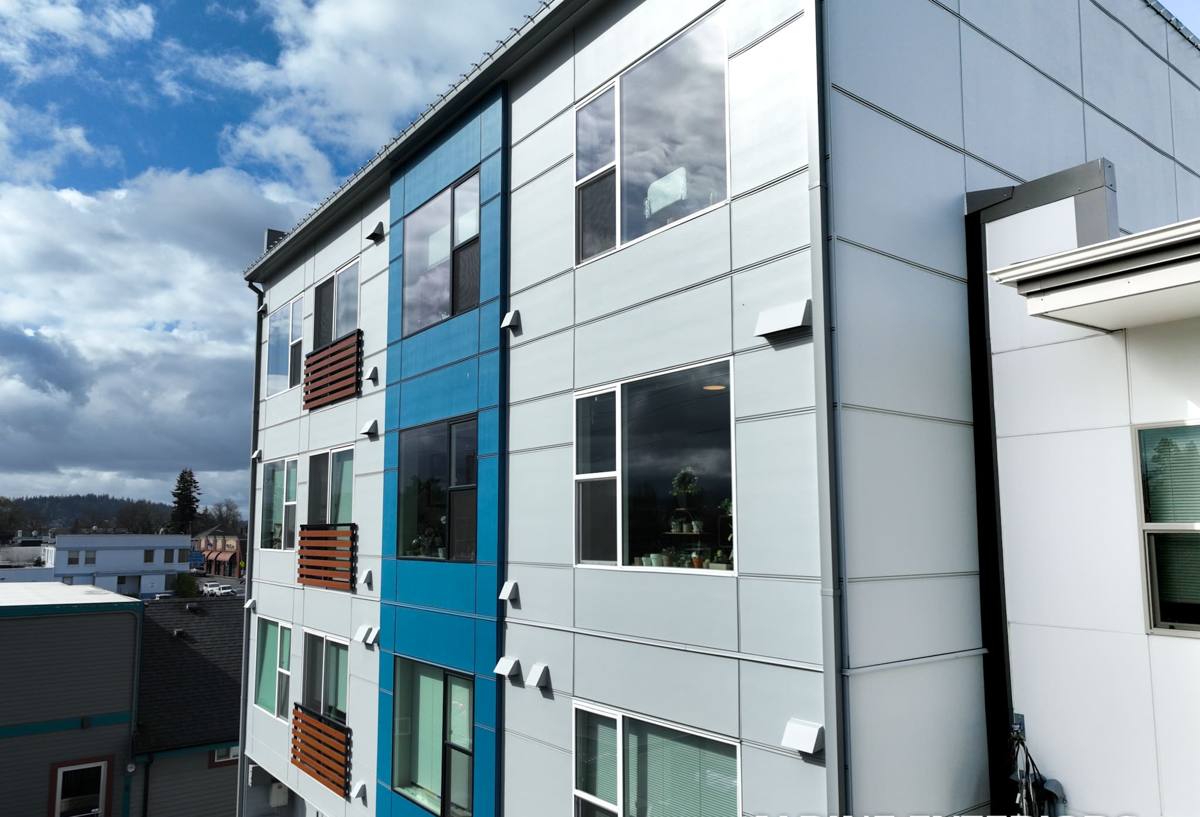
New-Construction vs. Replacement Windows: Why It Matters Here
Replacement windows are installed into an existing, finished opening — the old frame often stays in place, and the new unit is sealed against it. New-construction windows are installed into open stud framing before exterior finishes go on. They have a nailing fin (a flange around the perimeter of the frame) that gets fastened directly to the sheathing and integrated into the home's water-resistive barrier and flashing system.
That difference is exactly why new construction is the better opportunity, not just a different method. You get to build the flashing and drainage plane correctly from scratch instead of working around decades-old details that may already be compromised. On an island where wind-driven rain gets pushed sideways into wall assemblies during even a moderate storm, that flashing sequence is arguably more important than the window unit itself.
What This Looks Like in Practice
- Rough openings are framed and checked for square, plumb, and correct size before any window arrives on site
- Sill pans are installed to direct any water that gets past the window back outside the wall assembly
- House wrap or building paper is integrated with the window flange in the correct shingle-lap order — bottom, sides, then top
- Fasteners, flashing tape, and sealants are chosen for compatibility with salt air and UV exposure, not generic hardware store products
- Every opening is documented before it's covered by exterior finish, since it can't be inspected again once stucco or siding goes on
What Redington Beach's Climate Actually Demands
Pinellas County's Gulf-front communities take a harder environmental beating than inland Florida, and Redington Beach is about as exposed as it gets. Three things drive nearly every decision on a new-construction window job here:
Wind and Windborne Debris
Homes in this part of the county fall within Florida Building Code's coastal wind-borne debris region, which affects glazing requirements for much of the island. New-construction openings need to be engineered — and installed — to hold up against sustained hurricane-force wind loads, not just look the part. Impact-rated glazing or code-compliant protection is a real consideration on nearly every project we do out here, and it should be designed in from the start rather than bolted on later.
Wind-Driven Rain
Storms on the barrier islands rarely deliver rain straight down. It comes in sideways, under eaves, and directly at window openings. A window can be rated for high wind and still leak if the flashing and sill pan beneath it weren't built correctly. This is where most water intrusion problems on new builds actually originate — not from a bad window, but from a rushed or incomplete flashing detail.
Salt Air and UV
Constant salt exposure accelerates corrosion on hardware, fasteners, and lesser-grade metal components, while year-round Florida sun degrades seals, gaskets, and finishes faster than in most of the country. Materials and hardware need to be selected specifically for a marine environment — what performs fine forty miles inland can fail early a few blocks from the Gulf.
Permitting and Code on a Barrier Island
New-construction window installations in Redington Beach go through permitting and inspection like any structural work in Pinellas County, and barrier island properties often carry extra layers on top of that — flood zone requirements, elevation considerations, and in some cases coastal construction setback rules depending on the lot's location relative to the water. HOA or architectural review is also common on the island, particularly for anything visible from the street or the beach side of a property.
None of this is exotic, but it does mean new-construction window work here isn't something to treat as a simple product swap. Openings need to be engineered to the correct wind load for the site, documented for inspection before they're closed in, and coordinated with whatever else is happening on the build — framing, stucco, siding, or roofing schedules.
Frame Materials: What We Recommend and Why
All three common frame materials can perform well in a coastal environment when the product line and hardware are chosen correctly. The trade-offs matter more here than inland.
| Frame Material | Coastal Performance | Trade-Offs |
|---|---|---|
| Vinyl | Good corrosion resistance, no rust concerns, reasonable cost | Can expand/contract with heat; quality varies widely by manufacturer |
| Aluminum | Strong, slim sightlines, common in coastal impact products | Needs a marine-grade finish; lower-grade coatings corrode faster near salt air |
| Fiberglass | Very stable in heat and UV, low expansion, strong warranty structures | Higher upfront cost |
We steer clients away from budget-grade hardware and fasteners regardless of frame material — this is the detail that actually determines how a window holds up on the island, more than the frame material choice itself. A mid-grade window installed with marine-rated fasteners and correct flashing will outlast a premium window installed with generic hardware and rushed sealant work.
How Our Process Works
1. Site Visit and Opening Review
Before anything is ordered, we walk the framing (or the plans, if we're brought in early) and confirm rough opening sizes, wind load requirements for the specific lot, and how window placement interacts with the build schedule.
2. Product Selection
We help you choose glazing and frame packages rated for the site's wind zone and exposure category, matched to your budget and the look of the home — without pushing a single brand as a one-size-fits-all answer.
3. Coordination With Your Builder or GC
New-construction windows have to land in the schedule at the right moment — after rough framing, before house wrap and exterior finish. We work directly with your general contractor or framing crew so the sequence isn't guessed at on site.
4. Installation and Flashing
Every opening gets a sill pan, correctly lapped flashing, and fasteners suited to a marine environment. This is the step that determines whether the window performs in a storm five years from now, not just on inspection day.
5. Inspection and Documentation
We photograph flashing details before they're covered and stand ready for any county or town inspection tied to the permit.
Why Hire a Crew That Already Works Redington Beach
Barrier island construction has its own rhythm — narrow streets and limited staging space, tighter coordination with flood and elevation requirements, and a building department that sees a lot of coastal-specific detailing. A crew that regularly works this stretch of Pinellas County isn't guessing at wind load requirements or improvising flashing details for the first time. We've built the habits — sill pans as standard practice, marine-grade fasteners as the default, documentation before cover-up — because the environment here doesn't forgive shortcuts the way inland construction sometimes does.
What to Confirm Before Your Windows Go In
- Rough openings match the ordered window sizes exactly, with no field-cutting of framing to force a fit
- Sill pan flashing is installed under every opening, not just at the most exposed elevations
- House wrap integration follows correct shingle-lap sequencing at the flange
- Fasteners and hardware are rated for coastal/marine exposure, not standard interior-grade hardware
- Glazing and frame selections match the wind load requirements for your specific lot and elevation
- Flashing is photographed and documented before exterior finish covers the opening
Cost Factors on New-Construction Window Projects
| Factor | Why It Moves the Price |
|---|---|
| Number and size of openings | More and larger openings mean more material, labor, and flashing detail |
| Glazing and impact rating | Coastal-rated impact glazing costs more upfront but reduces long-term storm protection needs |
| Frame material | Vinyl, aluminum, and fiberglass carry different material and hardware costs |
| Site access and staging | Barrier island lots with tight access can add labor and logistics time |
| Coordination complexity | Projects timed tightly with framing and stucco crews require more scheduling precision |
Every project on the island is different, and the honest range depends heavily on the size of the build and the glazing package chosen — we'll walk your specific openings before giving you real numbers rather than a generic estimate.
Living With New Windows in a Salt-Air Environment
Correctly installed new-construction windows in Redington Beach still need basic upkeep. Rinsing salt residue off frames and hardware periodically, keeping weep holes clear of sand and debris, and checking exterior sealant joints once a year go a long way toward protecting the investment. None of this is heavy maintenance — it's the same kind of routine care coastal homeowners already give the rest of their exterior.
If you're framing a new build, planning an addition, or working through a remodel on Redington Beach or elsewhere on the Pinellas beaches, we're happy to walk the site, look at your openings, and talk through what makes sense for your project. Reach out for a free, no-pressure estimate using the form below.