 Largo Siding
 Roofing on a Barrier Island Is a Different Job
Redington Shores sits on a narrow strip of land with the Gulf of Mexico on one side and Boca Ciega Bay on the other. That location is part of what makes it a great place to live, but it also means every roof here takes a beating that inland Pinellas County homes simply don't see. Wind hits from both directions, salt is in the air every single day, and there's no tree cover or terrain to slow any of it down. A roofing product that performs fine forty minutes inland can fall apart years early on this stretch of coastline.
That's why we treat a metal roof in Redington Shores as its own kind of project, not a copy-paste version of a roof we'd put on somewhere in Largo proper. The climate here is specific, and the roofing decisions should be too.
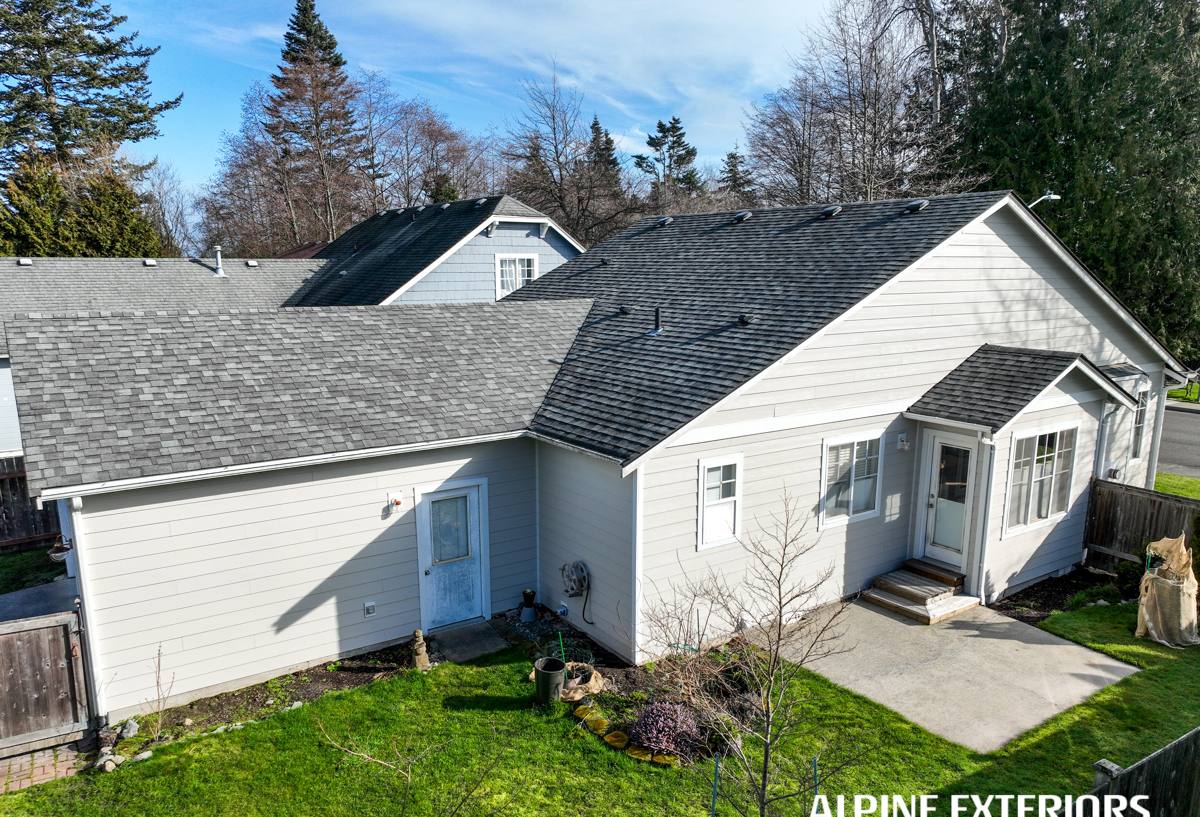
What the Coastal Environment Actually Does to a Roof
It helps to understand the mechanisms at work, not just the general idea of "harsh weather."
Wind
Barrier island homes face sustained coastal winds year-round, plus the real risk of hurricane-force gusts during storm season. Florida's building code already requires higher wind-uplift performance for coastal construction than for inland areas, and a roof here has to hold that line for decades, not just pass an inspection once.
Salt air
Airborne salt is corrosive to untreated or poorly coated metal, to exposed fasteners, and to any flashing detail that wasn't built with coastal exposure in mind. This is a slow, constant process — it doesn't show up as one dramatic failure, it shows up as fastener corrosion, streaking, and premature wear at the edges and penetrations.
UV exposure
Florida sun is intense nearly every month of the year, and a roof on open, unshaded coastal lots gets the full dose. UV breaks down cheaper coatings and finishes over time, which is why finish quality matters as much as the base metal.
Wind-driven rain
During tropical storms and hurricanes, rain doesn't just fall — it's driven sideways and can work its way under panels, around fasteners, and through any flashing detail that isn't sealed correctly. Most roof leaks we find on coastal homes trace back to a flashing or fastener detail, not the roofing material itself.
Why Metal Is a Strong Fit for This Location
We install metal roofing on Redington Shores homes because, done correctly, it holds up to all four of those stresses better than most alternatives. A properly installed metal roof carries strong wind-uplift ratings, doesn't absorb water the way some materials do, and with the right coating system, resists salt-driven corrosion for a long service life. It also reflects a meaningful amount of solar heat rather than absorbing it, which matters on a home with no shade for most of the day.
None of that is automatic, though. It depends on the panel system, the coating, the fasteners, and the installation details underneath the metal — which is most of what the rest of this page covers.
Metal Roofing Options We Install
Not every metal roofing product is built the same way, and the right choice depends on your home's roof pitch, structure, and your budget. Here's how the main options compare for a coastal application like Redington Shores:
| Panel Type | Best For | Coastal Performance | Trade-offs |
|---|---|---|---|
| Standing seam (concealed fastener) | Most roof shapes, especially where long-term low maintenance matters most | Excellent — no exposed fasteners to corrode or loosen over time | Higher upfront cost than exposed-fastener panels |
| Exposed-fastener metal panels | Budget-conscious projects, simpler roof shapes | Good if fasteners and gaskets are rated for coastal use and maintained | Fasteners are a maintenance point; gaskets age and need eventual replacement |
| Stone-coated steel | Homeowners who want the look of tile or shake with metal's durability | Good — steel core with a protective coated finish | More installation detail work around coating edges and cuts |
| Aluminum panel systems | Homes closest to the water where corrosion resistance is the top priority | Very good — aluminum doesn't rust the way steel can if a coating is compromised | Generally a higher material cost than steel |
For most Redington Shores homes, we lean toward standing seam systems because the concealed fastener design removes one of the biggest long-term weak points in a coastal environment — exposed screws that loosen, back out, or corrode. But the right answer depends on your specific roof, and we'll walk through the real trade-offs with you rather than pushing one product for every job.
What a Correct Installation Actually Involves
The panels get the attention, but most metal roof failures we're called out to inspect trace back to what's underneath them, not the metal itself. A correct job includes:
Deck inspection and prep
The roof deck has to be sound before anything goes on top of it. On older Pinellas County homes, this is where we sometimes find moisture damage from a prior roof that wasn't sealed correctly — it needs to be addressed before new material goes down, not covered over.
Underlayment
A high-quality synthetic or self-adhered underlayment is the actual waterproofing layer underneath the metal. In a wind-driven rain environment, this layer is doing more work than most homeowners realize.
Fastening method
Fastener type, spacing, and pattern all have to match the wind-uplift rating the panel system is supposed to deliver. This is an area where corners get cut on lower-bid jobs — spacing fasteners too far apart looks fine on day one and fails during the next major wind event.
Flashing and penetrations
Valleys, wall transitions, vent pipes, and any roof penetration are the most common places a metal roof actually leaks. These details take real time to do right, and rushing them is the single most common cause of coastal roof failures we see.
Ventilation
Proper attic ventilation keeps heat and moisture from building up under the roof deck, which protects both the roof structure and your energy bills in a climate where the attic can get brutally hot.
Our Process, Start to Finish
- On-site inspection: We look at your current roof, the deck condition, and how your home is exposed to wind and water on this stretch of the island.
- Honest recommendation: We walk you through which panel system and coating actually fit your roof and budget — not a one-size-fits-all pitch.
- Clear written estimate: Materials, labor, and scope spelled out so there are no surprises mid-project.
- Deck prep and repair: Any deck issues get fixed before new material goes on.
- Underlayment and flashing installation: The waterproofing layer and detail work that determines long-term performance.
- Panel installation: Fastened or seamed to the specifications the wind rating requires.
- Final walkthrough: We review the completed roof with you before considering the job done.
What Metal Roofing Costs — and What Drives the Range
Metal roofing costs more upfront than asphalt shingles, but it's a long-service-life investment, especially in a coastal environment where cheaper materials wear out faster. The real number for your home depends on several factors:
| Factor | Why It Moves the Price |
|---|---|
| Panel type | Standing seam typically costs more than exposed-fastener panels; aluminum costs more than steel |
| Roof complexity | Steep pitches, multiple valleys, and dormers all add labor and flashing work |
| Current roof condition | Deck repair, if needed, is a separate cost from the roofing material itself |
| Coating and finish | Higher-grade coatings cost more but resist salt air and UV longer |
| Tear-off vs. overlay | Removing an old roof adds labor but is often the right call on older coastal homes |
We won't quote a price without seeing the actual roof — anyone who does is guessing. What we can tell you honestly is that on a barrier island like this, spending a bit more for the right coating and fastening system up front is almost always cheaper than dealing with premature corrosion or a leak repair five years in.
Maintenance: What Actually Keeps a Metal Roof Performing
Metal roofing is low-maintenance compared to most materials, but "low" doesn't mean "none," especially this close to the water. A few simple habits go a long way:
- Rinse accumulated salt residue off the roof surface periodically, especially after long dry stretches
- Keep gutters and valleys clear so water isn't sitting against panel edges or flashing
- Have flashing and sealant points checked after any major storm, not just when you notice a leak
- Watch for any small dents, scratches, or coating damage after debris impacts and have them addressed before corrosion can start
- Schedule a periodic visual inspection rather than waiting for a problem to show up inside the house
Most of what shortens a metal roof's life in this area is deferred maintenance on small things — a scratch that becomes a corrosion point, a clogged valley that holds water against a seam. None of it is complicated, but it does need to actually happen.
Why Local Experience in Redington Shores Matters
A roofing crew that mostly works inland jobs may not think twice about fastener spec, coating grade, or flashing detail the way a crew that works this specific coastline does every week. We know what salt air and Gulf-to-bay wind exposure actually do to a roof over time here, because we see the results of it — both the roofs that were done right and the ones that weren't. That local pattern recognition is what lets us tell you honestly whether a detail on your roof is a real risk or a non-issue, instead of either upselling you or missing something that will matter in a few years.
We also understand that a barrier island community like Redington Shores comes with its own logistics — narrow lots, close-set homes, and material access that's a little different than a standard inland job. That's part of the planning, not an afterthought.
Ready for a Straight Answer About Your Roof
If you're weighing metal roofing for a home in Redington Shores, we're glad to come take a look, walk you through what your specific roof actually needs, and give you a clear, honest estimate — no pressure, no upsell. Use the form below to get started.