 Largo Siding
 Building a Deck That Can Actually Handle Madeira Beach
Madeira Beach sits on a barrier island, with the open Gulf of Mexico on one side and bay water on the other. That location is exactly why it's a great place to add a deck — and exactly why an ordinary deck doesn't last there. A structure built to a generic spec, with generic fasteners and generic lumber, is fighting a losing battle against salt-laden air, intense year-round UV, wind-driven rain, and the occasional hurricane-force gust that Pinellas County sees during storm season. We build decks out of Largo and work Madeira Beach regularly, so this page covers what actually goes into a deck that's built for this specific environment — not a beach house in a brochure, but a real structure that has to survive real Gulf Coast weather for decades.
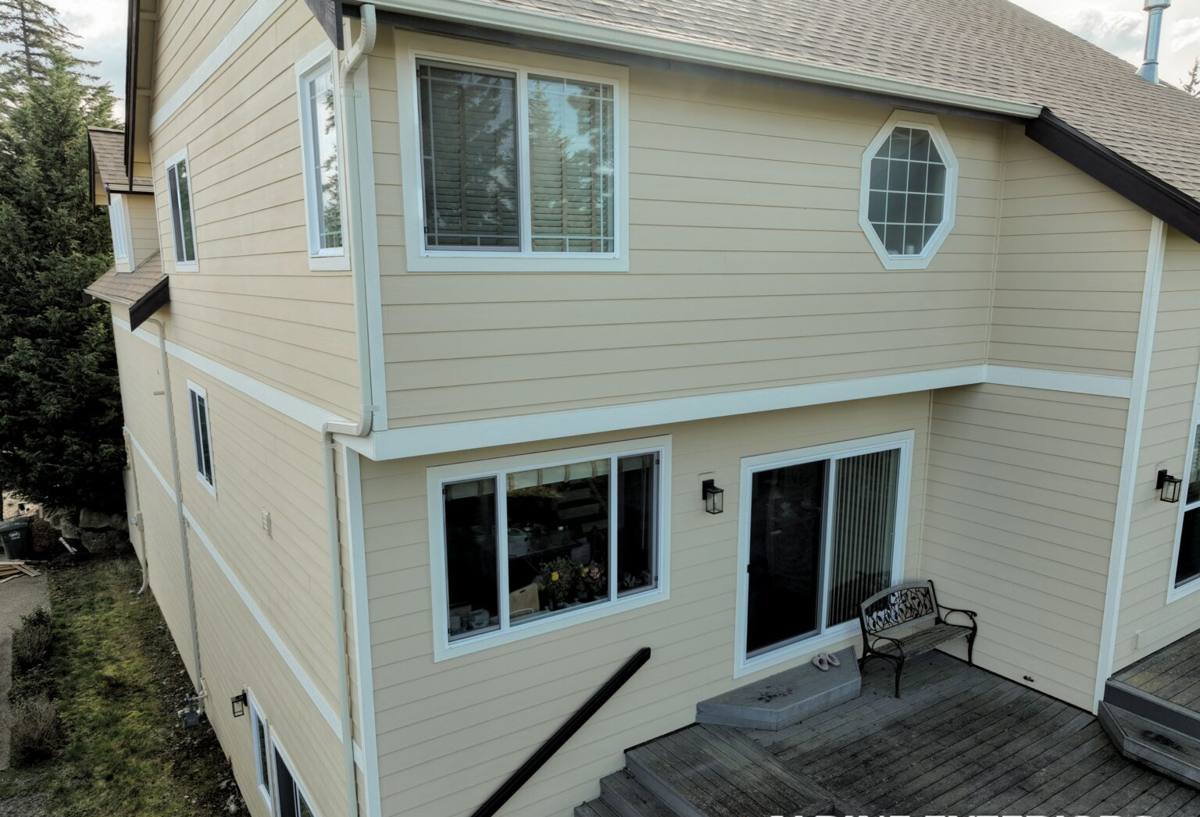
What the Coastal Environment Does to an Ordinary Deck
Every part of a deck's environment near the water works against it in a different way, and a correctly built deck has to answer each of those threats individually.
Salt Air and Corrosion
Airborne salt doesn't stay near the shoreline — it travels on the wind and settles on every exposed surface, including a deck's structural hardware. Standard fasteners and connectors corrode faster near the coast than they would even a few miles inland. Once a joist hanger or bolt starts to rust, it loses holding strength long before it looks obviously bad, which is part of why so many older decks fail quietly from the inside out.
UV Exposure
Florida sun is intense for most of the year, and a deck has no roof or siding to shield it. UV breaks down the lignin in wood fibers, causing graying and surface checking, and it degrades the plastic components and color pigments in composite and PVC decking over time as well. A deck facing full sun for a Florida summer ages faster than the same product would in a milder climate.
Wind-Driven Rain and Moisture Cycling
Afternoon storms here don't just fall straight down — wind pushes rain sideways into ledger connections, under railing posts, and into any gap in the decking pattern. Add in Florida humidity, and a deck goes through constant cycles of getting soaked and drying out. That cycling is what causes rot in untreated wood, and it's what causes fastener heads to work loose in lumber that swells and shrinks repeatedly.
Wind Uplift and Storm Loads
Pinellas County is in a high-wind design zone under the Florida Building Code, and hurricane-force gusts are a real seasonal risk, not a hypothetical one. A deck isn't just holding up static weight — it has to resist uplift and lateral loads trying to pull it away from the house and rack the frame sideways. That changes how the ledger, posts, and railing get attached, not just what material sits on top.
Choosing Decking Material for a Gulf-Facing Property
There's no single "best" decking material for every home — the right choice depends on budget, how much upkeep you want to take on, and how directly exposed the deck is to sun and salt spray. Here's how the common options actually compare in this environment.
| Material | How It Holds Up Near the Coast | Maintenance | Relative Cost |
|---|---|---|---|
| Pressure-treated pine | Affordable and strong, but needs consistent sealing to resist the moisture cycling and UV here; softer surface can splinter over time | High — annual cleaning and periodic re-sealing | Lowest upfront |
| Composite decking | Resists rot and doesn't need sealing; quality varies a lot by product line, and lower-end composites can fade or absorb heat in full sun | Low — periodic washing | Mid to upper-mid |
| Capped composite / PVC | A protective cap resists moisture, staining, and UV fade better than uncapped composite; performs well in salt air and full sun | Low | Higher upfront |
| Tropical hardwoods (e.g., ipe) | Naturally dense and rot-resistant, but sensitive to installation quality — improper fastening leads to cracking and cupping | Moderate to high — periodic oiling to maintain color | Highest |
We'll walk through these trade-offs honestly during an estimate rather than steering every homeowner toward the same product. A lower-maintenance material usually costs more upfront, and that's a fair trade for some homeowners and not others — it depends on how the deck will be used and how much time you want to spend on upkeep.
Getting the Structure Right: Framing, Footings, and Attachment
The decking boards are what you see, but the framing underneath determines whether the deck survives a decade of coastal weather or starts failing within a few years. This is the part of the job that matters most and shows the least.
Ledger Board Attachment and Flashing
Where a deck attaches to the house is the single most common failure point on any deck, coastal or not — and wind-driven rain here makes it worse. Correct practice means proper flashing that sheds water away from the house structure, corrosion-resistant fasteners rated for the connection, and hardware sized for the actual loads involved, not just whatever is on hand.
Footings and Post Bases
Footing depth and sizing need to account for local soil conditions and wind uplift, not just vertical load. Post bases should hold posts up off the concrete rather than letting them sit directly in standing water, which is a simple detail that makes a real difference in how long the post base lasts in a humid, rain-heavy climate.
Fasteners and Connectors
This is where a lot of decks quietly go wrong. Standard interior-grade screws and connectors corrode fast in salt air, and once corrosion starts, it's happening inside the wood where you can't see it. Coastal-appropriate builds use stainless steel or coated fasteners and connectors rated for the exposure, matched to whatever decking or framing material they're securing.
Joist Spacing and Ventilation
Tighter joist spacing than the bare minimum gives decking less flex and a longer service life, and it matters more with composite materials, which can be more sensitive to deflection than solid wood. Leaving room for airflow underneath the deck also helps framing dry out between rain events instead of staying damp.
Permits, Codes, and Wind Load in Pinellas County
Deck construction in Largo and the surrounding Pinellas County communities, including Madeira Beach, falls under the Florida Building Code, which sets wind load requirements based on the local design wind speed. A permitted deck goes through plan review and inspection, which exists specifically to catch the structural shortcuts that cause failures down the road — undersized footings, missing flashing, or ledger connections that can't handle uplift.
Skipping the permit process might save a little time upfront, but it creates real problems later: unpermitted work can complicate a home sale, cause issues with insurance claims after storm damage, and in some cases require the deck to be rebuilt to code before it can be sold or refinanced. We pull the required permits and build to the code that applies to the property, not to a generic national standard.
Railings, Stairs, and Safety Details
Railings and stairs are code-regulated for good reason, and they're also one of the first places a coastal deck shows wear, since posts and balusters take direct sun and rain exposure on every face.
- Railing height and baluster spacing that meet current code requirements
- Post attachment strong enough to resist lateral force, not just fastened for appearance
- Stair stringers sized and supported to avoid bounce or sag over time
- Corrosion-resistant hardware at every railing and stair connection point
- Graspable handrail profiles on stairs where code requires them
These details are easy to underbuild because they don't affect how the deck looks on day one. They matter most years later, when a loose railing post or a corroded stair connector becomes a safety issue instead of a cosmetic one.
How We Approach a Madeira Beach Deck Project
Our process is the same whether the home is right on the water or a few streets back, but the material and hardware choices shift based on exposure.
- On-site assessment of the house structure, ledger location, grade, and sun/wind exposure
- Honest walkthrough of material options and trade-offs based on your budget and maintenance preference
- Written estimate with a clear scope — no vague allowances that turn into surprise costs
- Permit submission and code compliance handled before any framing starts
- Framing built to coastal-appropriate fastening and flashing standards
- Decking, railing, and stair installation with attention to drainage and airflow
- Final walkthrough and inspection sign-off before we consider the job done
Because we're based in Largo and work this stretch of Pinellas County regularly, we're not learning the local permitting process or the local weather pattern on your project — that groundwork is already done before we show up.
Maintaining a Deck in a Gulf Coast Climate
Even a well-built deck needs some ongoing attention in this climate — the goal is to catch small issues before salt air and moisture cycling turn them into structural ones.
- Rinse salt residue and debris off the deck surface periodically, especially after storms
- Check railing posts and stair connections for looseness at least once a year
- Inspect ledger flashing and the house connection for signs of water staining
- Reseal wood decking on the manufacturer's recommended schedule — don't wait until it looks gray
- Clear leaves and debris from between boards so water isn't trapped against fasteners
- Look underneath the deck occasionally for corrosion on hardware or moisture pooling at post bases
Why Hiring a Local Largo Crew Matters for This Job
Deck building isn't a one-size-fits-all trade, and a coastal Pinellas County property is a genuinely different job than a deck built a hundred miles inland. A crew that already understands the wind load requirements, the corrosion issues, and the permitting process specific to this county isn't guessing its way through those decisions — it's applying what already works here. That matters for how the deck is engineered, and it matters for how smoothly the permit and inspection process goes, since we're working within a system we already know rather than figuring it out for the first time on your property.
If you're considering a new deck or need an honest look at an existing one, we're happy to walk the property, talk through what your home actually needs, and put together a straightforward estimate — no pressure, no upsell, just a clear look at what the job involves.