 Largo Siding
 Siding Built for What Kenneth City Actually Deals With
Kenneth City sits in the middle of Pinellas County, close enough to the water on both sides of the peninsula that homes here take on the same climate stress as the rest of the county: hurricane-force wind gusts during storm season, wind-driven rain that gets forced sideways into wall assemblies, intense year-round UV that breaks down cheaper siding materials from the outside in, and a steady dose of salt air that corrodes fasteners and trim over time. None of that is unique to any one street or subdivision — it's the baseline every exterior surface in this part of Florida has to survive, year after year, not just during a named storm.
That's the lens we use when we talk about siding for a Kenneth City home. The question isn't just "what looks good," it's "what still looks good and still protects the wall assembly in eight, ten, fifteen years of this exposure." That's why we install James Hardie fiber cement siding exclusively, and why we treat the installation details — not just the product choice — as the part that actually determines how a job performs.
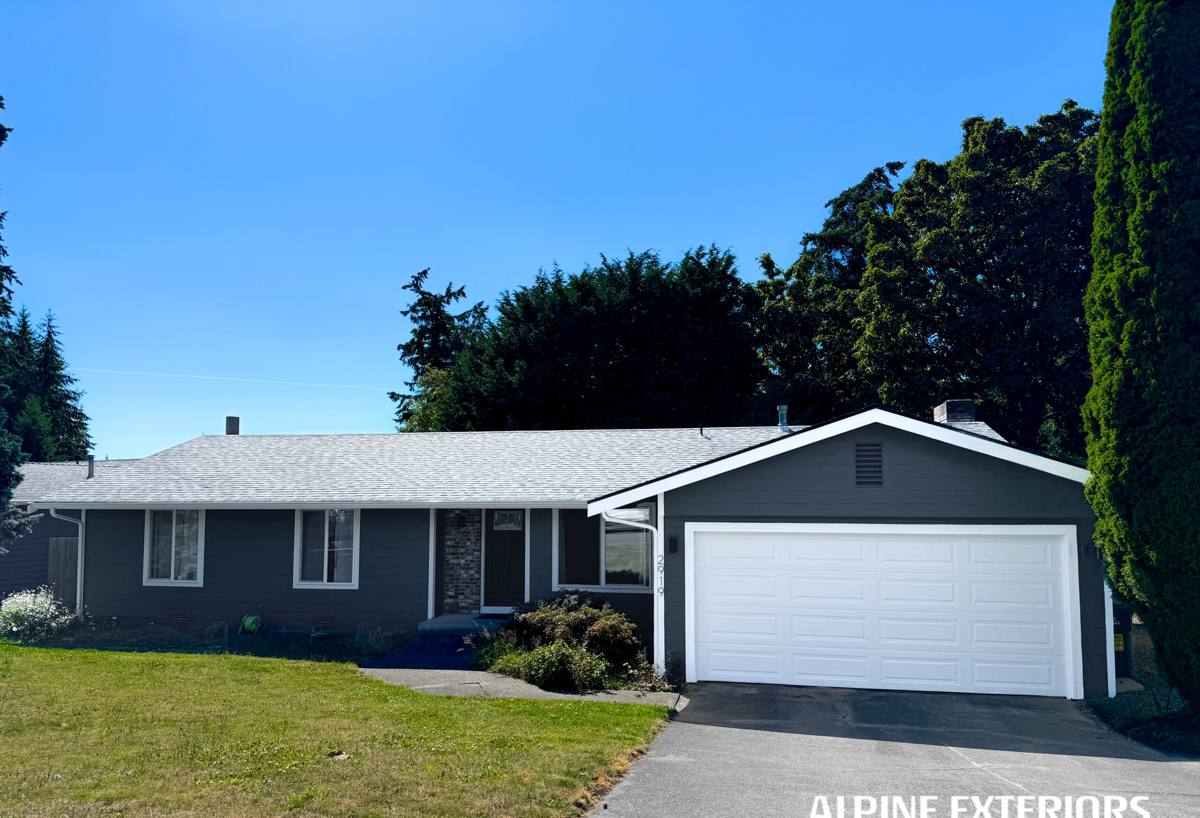
Why James Hardie Is the Only Siding We Install
We get asked why we don't offer vinyl, LP SmartSide, or other fiber cement brands. The honest answer is that we standardized on James Hardie because of how it holds up specifically in this climate, and we'd rather turn down work than install something we don't believe will perform on a Pinellas County home.
Non-Combustible and Dimensionally Stable
James Hardie fiber cement is non-combustible, which matters for insurance conversations as much as it does for fire safety. Just as important for this climate, it doesn't expand and contract with heat and humidity swings the way vinyl does, so seams and reveals stay tight instead of warping or buckling under direct summer sun.
HardieZone HZ5 Engineering
James Hardie manufactures different formulations for different climate zones under its HardieZone system. Central Florida falls in the HZ5 category, which is engineered for higher humidity and moisture exposure. That's a meaningful distinction — it's not the same board being sold in a dry inland climate, it's a formulation built with wet, humid, coastal-adjacent conditions like Kenneth City's in mind.
ColorPlus Factory Finish
Most of what we install uses Hardie's ColorPlus finish — a factory-baked, multi-coat finish that resists fading from UV exposure far longer than field-applied paint, and comes with its own finish warranty separate from the substrate warranty. In a climate with this much year-round sun, that finish durability is not a cosmetic upgrade, it's core to why the siding still looks right a decade in.
What a Correct Installation Actually Involves
The product is only half the equation. James Hardie siding that's installed wrong will fail wrong — trapped moisture, cracked caulk joints, fasteners backing out — regardless of how good the board itself is. A correct installation on a Kenneth City home means:
- A proper weather-resistive barrier installed and lapped correctly behind the siding, not just stapled up as an afterthought
- Flashing at every window, door, and roofline intersection, so wind-driven rain has nowhere to get behind the cladding
- Fasteners run at the manufacturer-specified pattern and depth — overdriven nails crack the board, underdriven ones let it work loose in wind
- Correct clearances from grade, roofline, and decking so the bottom edge of the siding isn't sitting in standing moisture
- Field-cut edges primed and sealed before installation, since a raw cut edge left exposed is where water intrusion starts
- Joints and butt seams caulked with a product rated for the movement and exposure, not general-purpose caulk
Mistakes We See on Re-Sides
A fair amount of our work in this area is correcting a previous installation, not just replacing old siding. The pattern is usually the same: house wrap installed but not properly lapped or taped, fastener patterns that don't match Hardie's published specs, and caulk joints that were never designed to move with the board. In a climate that alternates between soaking humidity and intense heat, those shortcuts show up as problems within a few years, not decades.
How We Approach a Kenneth City Project
Our process doesn't change based on the neighborhood, but it does account for what we already know about homes in this part of the county — age of typical housing stock, common wall assemblies, and the wind exposure category the area falls under.
Inspection and Measurement
We start with a full walk of the exterior, checking for existing moisture damage, soft sheathing, and any areas where prior repairs or additions created transitions that need special flashing detail. We measure for actual board layout, not just square footage, so waste and seam placement are planned before material shows up.
Tear-Off and Substrate Check
Old siding comes off down to the sheathing so we can actually see what's underneath. If we find rot, delamination, or prior water damage, we address it before anything new goes up — covering a bad substrate with new siding just hides the problem for the next owner to find.
Weather Barrier and Flashing
This is the step that determines whether the house stays dry, and it's the step that's hardest to inspect once the siding is on. We install and lap the weather-resistive barrier per code, and flash every penetration and transition before the first board goes up.
Installation and Finish
Boards go up to Hardie's fastening specification, joints are caulked with an appropriate sealant, and trim and corner details are finished to shed water rather than trap it. We clean up daily, not just at the end of the job, since fiber cement dust and cutoffs left around a property are both a nuisance and, with cut dust specifically, something that needs proper handling.
Choosing a Profile and Finish
James Hardie offers several siding profiles, and the right one depends on the home's style and how much of a maintenance-free finish the owner wants long-term.
| Profile | Look | Best Fit |
|---|---|---|
| HardiePlank Lap | Traditional horizontal lap | Most Kenneth City single-family homes |
| HardieShingle | Staggered or straight-edge shingle | Accent gables, Craftsman-style details |
| HardiePanel Board & Batten | Vertical panel with battens | Modern or Florida vernacular styles |
| HardieTrim | Smooth or textured trim boards | Corners, fascia, window and door surrounds |
Most of what we install locally is HardiePlank lap siding, either smooth or cedar-textured, finished in ColorPlus factory colors. Board and batten and shingle accents show up more on gables and porch details than as a whole-house treatment, but all three integrate on the same wall when the transitions are trimmed correctly.
What Drives Cost on a Kenneth City Siding Job
We don't publish flat per-square-foot pricing because it genuinely varies by house, but the factors that move the number are consistent across every project we quote in this area.
| Factor | Why It Matters |
|---|---|
| Substrate condition | Rotted sheathing or hidden water damage found at tear-off adds repair scope before siding can go up |
| Home complexity | Dormers, multiple gables, and cut-in windows add labor for flashing and trim detail |
| Profile mix | Combining lap, shingle, and board-and-batten accents costs more than a single profile whole-house install |
| Finish choice | Factory ColorPlus finishes cost more upfront than primed board but eliminate a repaint cycle |
| Access and site conditions | Fencing, landscaping, and tight lot lines affect staging and labor time |
We walk every property and give a written estimate based on what we actually find, not a phone quote based on square footage alone.
Why Hiring a Crew That Already Works This Area Matters
A crew that already works Pinellas County jobs regularly knows the permitting expectations, the typical wall assemblies found in local housing stock, and how wind exposure requirements get applied to a re-side versus new construction. That familiarity shows up in fewer surprises mid-project — inspectors aren't guessing what we're planning to do, and we aren't guessing what they'll want to see.
It also matters for accountability after the job is done. A contractor working this area regularly has a reputation to protect with the neighbors, the local permitting office, and repeat referral business — not just a one-time job to close out and move on from.
Maintaining James Hardie Siding in This Climate
Fiber cement is low-maintenance, not no-maintenance. In a climate with this much sun, humidity, and airborne salt, a little routine attention keeps the siding performing the way it's designed to.
- Rinse the exterior periodically to clear salt residue and airborne grime, especially on sides of the house facing prevailing wind
- Inspect caulk joints annually and re-caulk any that have cracked or pulled away from the board
- Keep irrigation heads and sprinklers from spraying directly on the siding, which accelerates mineral buildup and staining
- Trim landscaping back from the wall so foliage isn't holding moisture against the siding
- After a major storm, walk the exterior and check for loose boards, damaged trim, or fasteners that have backed out
If you're weighing a siding replacement or repair for a Kenneth City home, we're happy to walk the property and give you a straightforward, no-pressure estimate — including an honest read on what your current siding and substrate actually need. Use the form below to get started.