 Largo Siding
 Kenneth City's Climate Is Hard on Siding
Kenneth City sits in the middle of Pinellas County, close enough to both coasts that homes here deal with the worst of Florida's weather from more than one direction. Salt-laden air drifts in off the Gulf, afternoon storms bring wind-driven rain that gets forced sideways into wall assemblies, and the sun is intense enough, year-round, to break down anything not built to hold color and shape under UV exposure. When a named storm tracks through the area, homes also need to withstand sustained high winds and flying debris without losing panels or opening up gaps at the trim.
Siding in this part of Pinellas County isn't just cosmetic. It's the first line of defense against moisture intrusion, and it's tested constantly by heat, humidity, and salt. A product or installation that's marginal in a milder climate tends to fail faster here — bowing, staining, rotting at the bottom courses, or losing its finish. That's the backdrop for every siding decision a Kenneth City homeowner makes, and it's why we treat this as a local climate problem first and a cosmetic upgrade second.
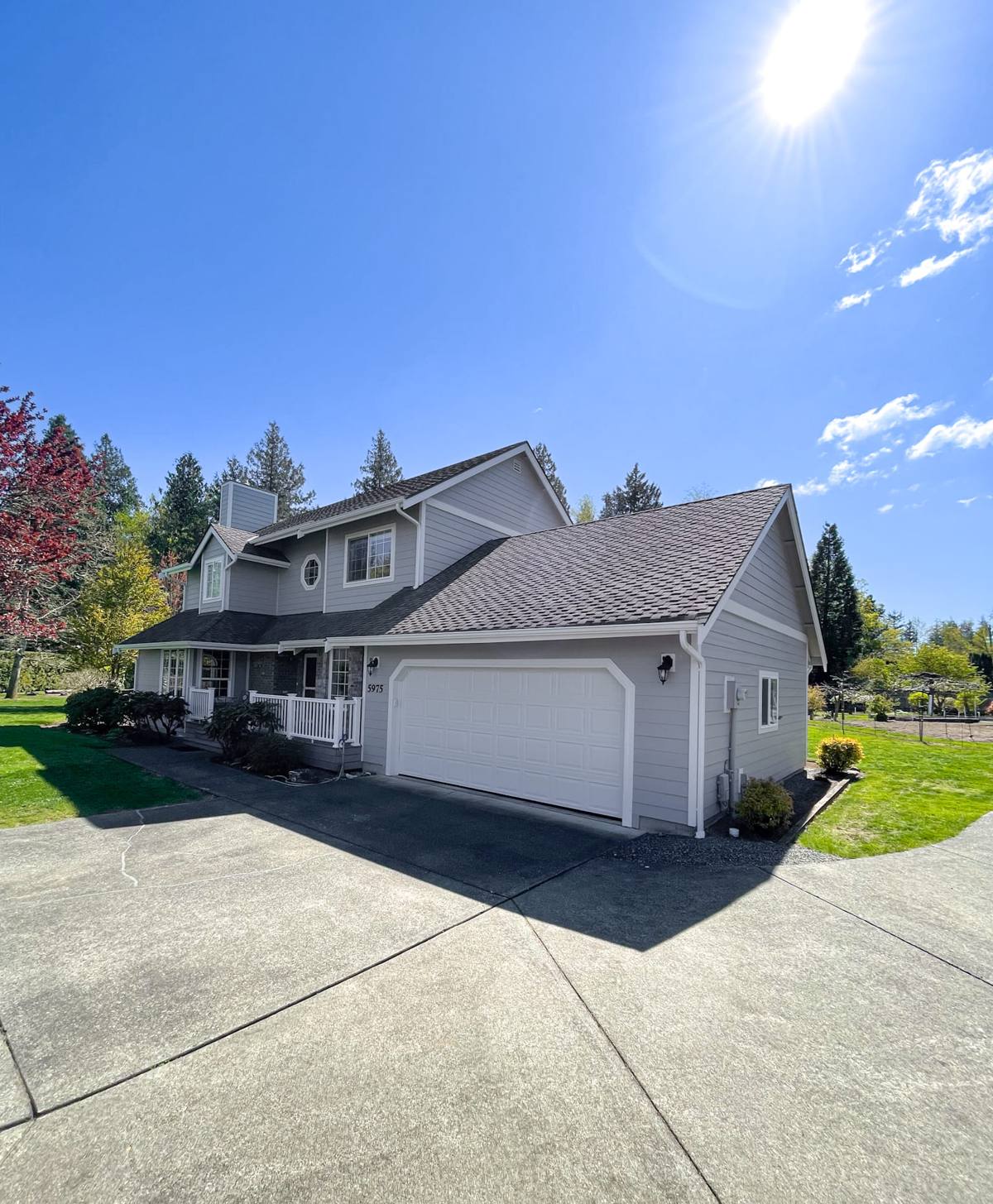
What "Correct" Fiber Cement Installation Actually Means
Fiber cement siding is only as good as the installation behind it. The product itself is durable, but the details — the parts you don't see once the job is done — determine whether it lasts twenty-plus years or starts causing problems in five.
Moisture Management Behind the Panels
Every wall needs a drainage plane: a water-resistive barrier, properly lapped and taped, with a gap or drainage mat behind the siding so any moisture that gets past the panels can drain and dry instead of sitting against the wall sheathing. In a climate with as much wind-driven rain as this one, skipping or rushing this step is the single biggest cause of hidden rot behind siding that looks fine from the curb.
Fastening and Clearances
James Hardie publishes specific fastening patterns, nail penetration depths, and minimum clearances from grade, roof lines, and decks. Panels fastened too tight, spaced wrong, or set too close to the ground trap moisture and void the manufacturer's warranty. Wind resistance also depends on correct fastening — a panel that's improperly nailed is a panel that can work loose in a hurricane-force gust well before the wind speed reaches the product's rating.
Trim, Caulking, and Flashing
Butt joints, window and door trim, and any penetration through the siding are where water finds its way in. Factory-primed or ColorPlus-finished trim, correctly flashed and sealed with the right sealant, keeps those points closed up. This is detail work that's easy to shortcut and hard to inspect once the job is finished, which is exactly why it matters who does it.
Why We Install Only James Hardie — Not Vinyl, LP SmartSide, Cemplank, Allura, or Primed Wood
We get asked why we don't offer more siding options. The honest answer is that we've made a standard for ourselves based on what holds up in this climate, and we'd rather turn down jobs than install something we don't believe in.
Vinyl siding is inexpensive and easy to install, and in calmer climates it does fine. In Pinellas County, sustained heat causes it to warp and buckle, and it's rated for wind speeds well below what a direct hurricane track can produce here. It also isn't structural or fire-resistant, and once it's damaged, color-matching an aging panel is often impossible.
LP SmartSide is an engineered wood product with real strengths — it's lighter than fiber cement and easy to work with. But it's still wood-based, which means it's more vulnerable to moisture absorption and swelling at cut edges than fiber cement, and in a humid, storm-prone coastal county, that's a maintenance liability we're not willing to install and stand behind.
Cemplank and Allura are both fiber cement products, and they're not bad materials — the issue is warranty structure, factory finish consistency, and dealer support in this region compared to James Hardie's HardieZone system, which we'll walk through below. We chose to specialize in one system so our crews install it the same correct way every time, rather than switching techniques and specs between products.
Primed spruce or cedar siding gives homes a natural look some owners want, but raw or primed wood in a high-humidity, high-UV, salt-air environment needs frequent repainting and sealing to keep moisture out, and it's the most fire-vulnerable option of the group. We won't install a product that we know will demand that level of ongoing upkeep just to hold the line against local conditions.
HZ5 Panels: Engineered for Florida's Climate Zone
James Hardie engineers its siding by climate zone, not as a one-size-fits-all product. Pinellas County falls into the HZ5 zone, meaning the panels are formulated and tested for high humidity, sustained heat, and moisture exposure — different chemistry than the HZ10 panels used in drier, colder regions. That distinction matters more than most homeowners realize when comparing quotes.
| Material | Wind/Impact Durability | Moisture Behavior | Fire Resistance | Typical Maintenance |
|---|---|---|---|---|
| James Hardie fiber cement (HZ5) | Engineered and tested for high-wind regions | Non-combustible, resists moisture-driven warping | Non-combustible core | Occasional wash; factory finish holds color for years |
| Vinyl | Lower wind rating; can crack or blow off in storms | Doesn't absorb water but warps under sustained heat | Melts/ignites at low temperatures | Low, but fades and becomes brittle over time |
| LP SmartSide (engineered wood) | Good when installed to spec | Vulnerable at cut edges and joints if sealing fails | Combustible | Periodic repainting and edge sealing |
| Primed spruce/cedar | Depends on species and installation | Absorbs moisture without diligent sealing | Combustible | Frequent repainting/resealing |
The ColorPlus factory finish that comes on most HZ5 panels is also worth understanding: it's baked on in a controlled facility, not sprayed or rolled on site, which is why it resists fading and chipping far longer than field-applied paint on wood or aftermarket-painted alternatives.
Our Process, Start to Finish
- On-site assessment. We inspect existing siding, sheathing, and trim for hidden moisture damage before quoting anything — you can't price a job accurately without knowing what's behind the wall.
- Written scope and product selection. We walk through HZ5 panel profiles, ColorPlus color options, and trim details so you know exactly what's being installed and why.
- Tear-off and substrate repair. Old siding comes off, and any rotted sheathing or framing gets replaced before a single new panel goes up — covering damage with new siding just hides the problem.
- Weather barrier and drainage plane. A properly lapped water-resistive barrier goes on first, with drainage space behind the panels where the wall assembly calls for it.
- Installation to manufacturer spec. Correct fastening pattern, clearances from grade and rooflines, and joint treatment, following James Hardie's published installation requirements.
- Trim, caulking, and final inspection. Every joint, corner, and penetration gets sealed correctly, then the whole job gets walked and checked before we call it done.
Signs Your Kenneth City Home's Siding Needs Attention
- Visible warping, bowing, or buckling panels, especially on walls that face prevailing storm winds
- Soft spots, staining, or a spongy feel near the base of exterior walls
- Paint or finish that's chalking, peeling, or fading unevenly across the same wall
- Gaps opening up at trim boards, corners, or window and door casings
- Persistent mildew or dark streaking that pressure washing doesn't fully remove
- Rising energy bills that may point to a compromised wall assembly letting in outside air
Cost Factors for a Fiber Cement Siding Job
| Factor | Why It Affects Price |
|---|---|
| Existing substrate condition | Rotted sheathing or framing found during tear-off adds repair scope before new siding can go on |
| Home size and wall complexity | More corners, dormers, and trim details mean more cutting, fitting, and labor time |
| Panel profile and finish | Lap siding, shingle-style panels, and custom ColorPlus colors are priced differently |
| Trim scope | Full trim replacement versus reusing sound existing trim changes both material and labor cost |
| Access and site conditions | Multi-story walls, tight lot lines, or landscaping that limits staging can add time |
We give a written, itemized estimate before any work starts, so there's no guessing about what's included.
Caring for Your New Siding
One of the practical advantages of fiber cement is how little upkeep it demands compared to the alternatives. A periodic rinse to keep salt residue and pollen film from building up is usually enough — there's no repainting cycle to manage the way there is with wood, and no risk of the material itself softening or degrading in the heat the way vinyl can. Keeping gutters clear and irrigation heads pointed away from the base of the walls goes a long way toward protecting the trim and lowest courses over time.
Why Local Experience in This Area Matters
Wind load requirements, permitting steps, and inspection expectations in Pinellas County aren't identical to what a crew might be used to elsewhere in the state. A contractor who regularly works in and around Kenneth City knows what inspectors here are looking for, how to sequence a job around the area's storm season, and what the salt air and humidity actually do to a wall assembly over a few years — not just in theory, but from having gone back and looked at completed jobs later. That local track record is what should give you confidence in who you hire, more than any single line item on a quote.
If you're weighing options for your Kenneth City home, we're happy to come take a look, walk you through what we find, and put together a straightforward, no-pressure estimate — use the form below to get started.