 Largo Siding
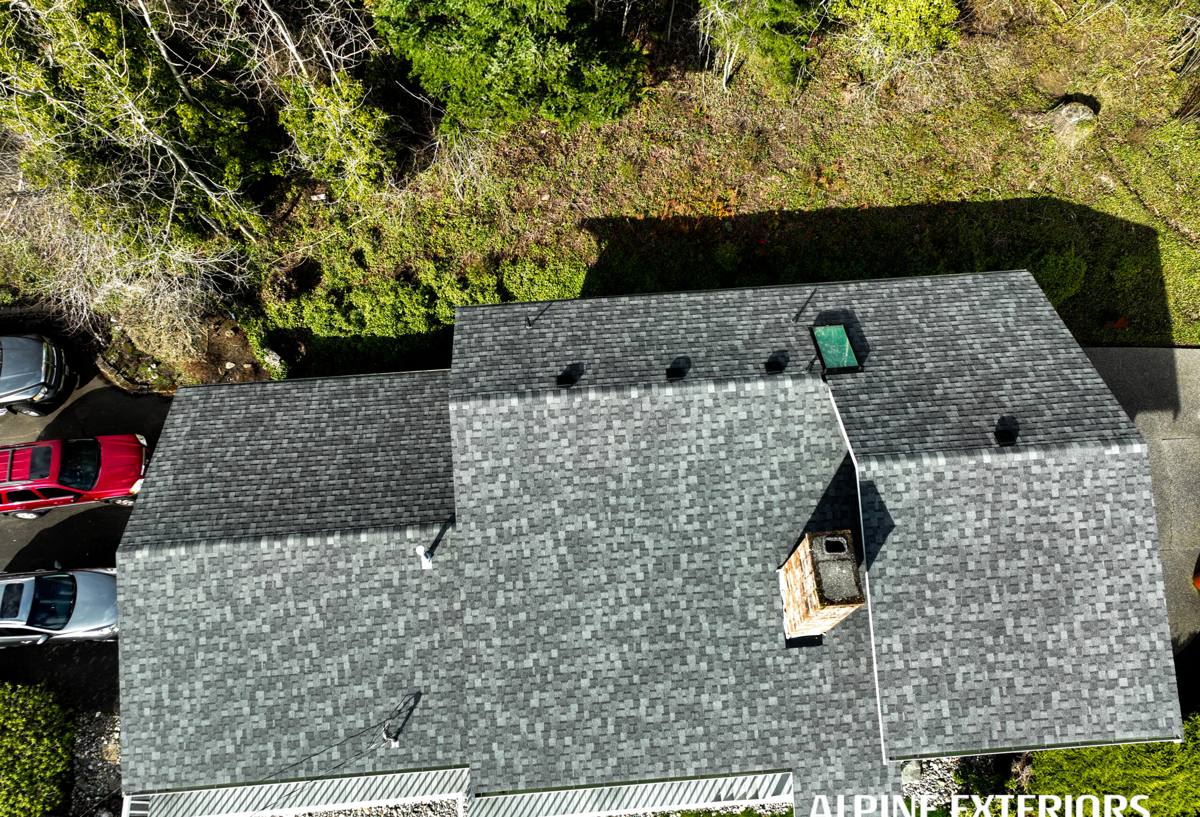
 Asphalt Shingle Roofing Built for Kenneth City's Climate
Kenneth City sits in one of the more exposed pockets of Pinellas County — close enough to the Gulf to catch salt-laden air, and squarely in the path of the summer storm pattern that rolls through the Tampa Bay area every year. A roof here works harder than a roof almost anywhere else in the country. It gets cooked by UV radiation nearly 365 days a year, soaked by wind-driven rain that finds every weak seam, and periodically tested by hurricane-force gusts that turn a marginal installation into a real problem. Asphalt shingle roofing remains one of the most practical, cost-effective ways to protect a Kenneth City home — but only when it's installed with this specific climate in mind, not treated like a generic roof job dropped into a hot, humid, storm-prone county.
This page covers what asphalt shingle roofing actually needs to hold up in Kenneth City, what a correct installation involves from the deck up, and how we approach the work as a crew that's already familiar with this part of Largo and Pinellas County.
Why Kenneth City Homes Are Hard on a Roof
A few local conditions combine to shorten the life of a poorly installed or poorly maintained asphalt shingle roof:
- Intense, near-constant UV exposure. Florida sun breaks down the asphalt oils in shingles faster than in most of the country, leading to granule loss and brittleness over time.
- Wind-driven rain. Storms here rarely come straight down. Rain gets pushed sideways under shingle tabs, into exposed nail heads, and along poorly sealed valleys and edges.
- Hurricane-force wind events. Even homes that don't take a direct hit see sustained tropical-storm-force winds during a normal season. Shingles that aren't properly fastened and sealed are the first thing to lift.
- Salt air. Kenneth City's proximity to the coast means airborne salt accelerates corrosion on exposed metal — nails, flashing, and vent components — if it isn't rated for coastal exposure.
- Heat and humidity cycling. Attics in this climate run hot, and daily heat-humidity cycling stresses the roofing system and can shorten shingle life if ventilation is inadequate.
None of this means asphalt shingles are a poor choice for Kenneth City — they're used successfully on the vast majority of homes here. It means the installation details matter more than they would in a milder climate, and cutting corners shows up faster.
What a Correct Asphalt Shingle Job Involves Here
The Deck and Underlayment
Everything starts with the roof deck. Before any shingle goes down, the deck needs to be sound — no soft spots, no delaminated plywood, nailing pattern brought up to current code where needed. Skipping deck inspection is one of the most common ways a "new roof" fails early, because problems underneath get sealed in rather than fixed.
Over the deck, we use a synthetic or self-adhering underlayment appropriate for high-wind, high-moisture climates, with special attention to eaves, valleys, and any area prone to wind-driven rain intrusion. In this part of Florida, underlayment is not a formality — it's the backup layer that protects the home if any part of the shingle surface is ever compromised in a storm.
Fastening and Wind Rating
Shingle wind performance depends almost entirely on correct nailing — the right number of nails, in the right position, driven flush (not overdriven or underdriven). We follow manufacturer specifications and local code requirements for nailing pattern, which in Pinellas County are stricter than in inland, lower-wind regions. This is the single biggest factor in whether a roof holds up during tropical-storm-force wind or fails at the tabs.
Flashing and Penetrations
Valleys, chimneys, plumbing vents, and any roof-to-wall transitions are where most leaks actually start — not in the open field of shingles. Correct flashing, properly lapped and sealed, matters as much as the shingles themselves. We use corrosion-resistant flashing materials appropriate for salt-air exposure rather than standard-grade components that corrode faster this close to the coast.
Attic Ventilation
Balanced intake and exhaust ventilation keeps attic temperatures and moisture in check, which protects both the shingles from the underside and the deck from trapped humidity. Poor ventilation is a quiet contributor to premature shingle aging in Florida attics, and it's often overlooked on quick re-roofs.
Shingle Options for Kenneth City Homes
Not every asphalt shingle product is built the same way, and the right choice depends on budget, wind rating needs, and how long you plan to stay in the home.
| Shingle Type | Typical Wind Rating | Best Fit For |
|---|---|---|
| 3-Tab (standard) | Lower wind ratings, budget-tier | Cost-conscious projects, rental or investment properties |
| Architectural / Dimensional | Higher wind ratings, most models rated for high-wind regions | Most Kenneth City homes — the standard recommendation today |
| Impact-Rated / Class 4 | Highest available for asphalt, plus impact resistance | Homes seeking maximum storm resilience; may qualify for insurance discounts |
We generally steer homeowners here toward architectural shingles rated for high-wind regions. They cost more than basic 3-tab shingles up front, but the thicker laminate construction and stronger wind ratings make a real difference in a climate like ours, and most manufacturers only offer their strongest warranties on this tier.
What Drives the Cost of a Roof in Kenneth City
Every roof is different, but the same handful of factors move the price up or down on most jobs in this area:
- Roof size and pitch — more squares and steeper pitches mean more material and labor.
- Deck condition — plywood replacement adds cost but is not optional where the deck has failed.
- Shingle tier — 3-tab, standard architectural, and impact-rated products carry different material costs.
- Number of penetrations and valleys — more flashing work means more labor time.
- Layers to remove — tear-off of existing roofing adds disposal and labor cost versus a bare deck.
- Ventilation upgrades — adding or correcting intake/exhaust venting during the job.
We won't quote a number without seeing the roof, but we'll walk through each of these line items so you understand exactly what you're paying for and why — not just a bottom-line total.
Our Process
1. On-Site Inspection
We start with a physical inspection of the roof, deck access where possible, and attic ventilation — not a drive-by estimate. This is where we catch deck damage, existing leak paths, and flashing problems before they turn into surprises mid-job.
2. Written Estimate
You get a clear, itemized estimate covering material tier, tear-off, deck repair allowance, flashing, ventilation work, and cleanup — no vague lump sums.
3. Scheduling Around Weather
Roofing in Pinellas County means working around Florida's storm season. We plan installation windows with weather in mind and won't leave a roof exposed longer than necessary.
4. Installation
Tear-off, deck inspection and repair, underlayment, flashing, shingle installation to manufacturer and code nailing specs, and ventilation work — done in that order, with each stage checked before moving to the next.
5. Final Walkthrough and Cleanup
We walk the property with you, address any questions, and make sure the site — including magnetic sweep for stray nails — is left clean.
Maintenance Checklist for Kenneth City Homeowners
Even a well-installed asphalt shingle roof benefits from basic upkeep in this climate:
- Visually check for lifted, cracked, or missing shingles after any significant wind event
- Keep gutters clear so wind-driven rain has somewhere to go besides under the shingle edge
- Watch for granule buildup in gutters, a sign of accelerating UV wear
- Trim back overhanging branches that trap moisture or drop debris on the roof
- Have flashing around vents and valleys checked periodically for corrosion or sealant failure
- Confirm attic ventilation isn't blocked by insulation or debris
- Schedule a professional inspection after any named storm that affects the area
Why It Matters to Hire a Crew That Already Works Kenneth City
Roofing codes, permitting, and wind-load expectations in Pinellas County reflect the reality of coastal Florida weather — they're not the same as inland or northern building standards. A crew that regularly works Largo and the surrounding Kenneth City area already knows the local permitting process, understands what inspectors here are looking for, and has seen firsthand how different installation choices hold up (or don't) through actual storm seasons. That local track record translates into fewer surprises, correct fastening and flashing practices from the start, and a roof that's built for the conditions it will actually face — not a generic installation that happens to be located in Florida.
Get an Honest Look at Your Roof
If your Kenneth City home needs a new asphalt shingle roof, a repair, or you're just not sure how much life is left in what's up there, we're happy to take a look. We'll give you a straightforward, no-pressure estimate based on what we actually find — use the form below to get started.