 Largo Siding
 Why Window Replacement Looks Different on Indian Rocks Beach
Indian Rocks Beach sits right on the barrier island strip along the Pinellas County coastline, and that location changes what a window replacement job actually needs to accomplish. A window that performs fine ten miles inland can fail years early on a home that catches direct Gulf wind, salt spray, and afternoon sun almost every day of the year. If you're getting quotes for window replacement here, the conversation should start with the environment, not just the glass style you like.
This page covers what homeowners in Indian Rocks Beach and the surrounding Largo coastline should know before replacing windows: what the climate does to a window assembly over time, what code requires this close to the water, how to think about frame and glass options, and what a correct installation actually involves.
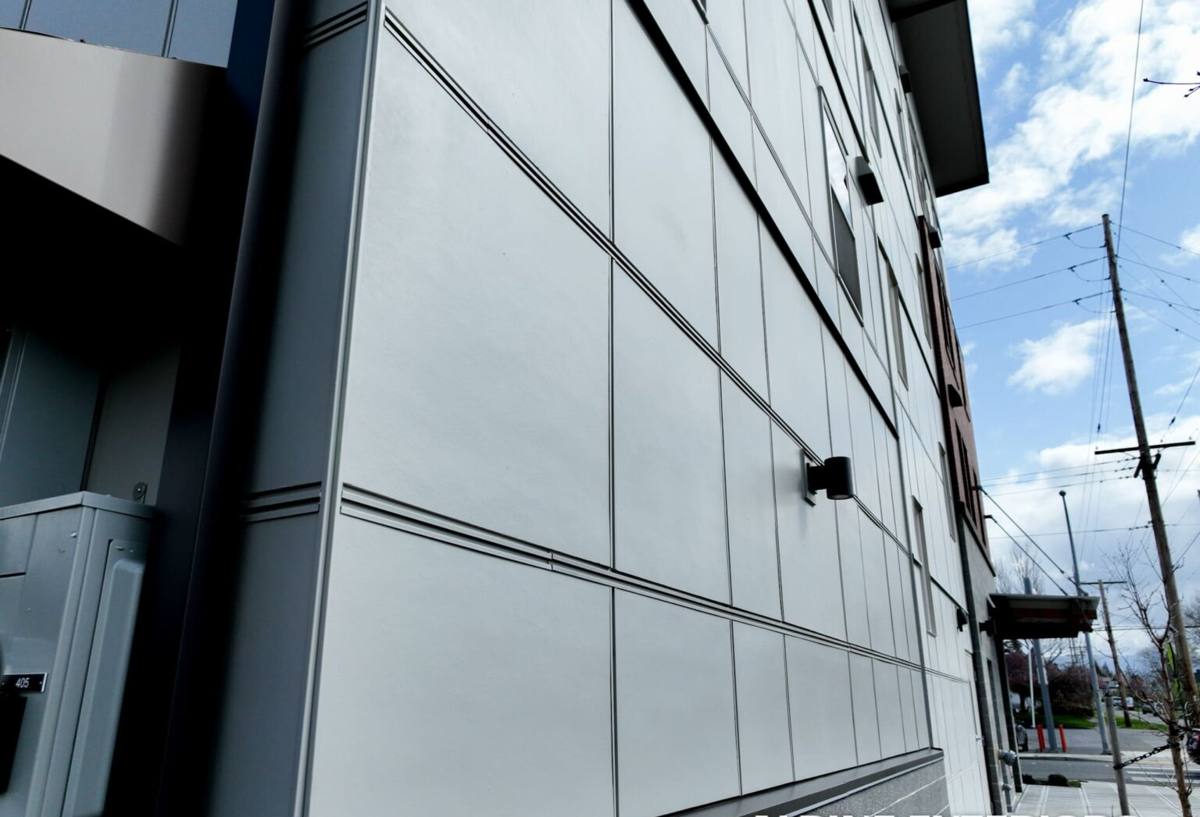
What the Coastal Environment Does to Windows Over Time
Every material used in a window — frame, hardware, sealant, glass coating — reacts to this environment differently than it would a few miles inland. Three factors do most of the damage:
Salt Air
Airborne salt from the Gulf settles on and around window assemblies constantly. It accelerates corrosion in hardware, hinges, and fasteners, and it degrades certain frame finishes faster than manufacturers' general warranties assume. Windows that aren't specified with coastal-grade hardware and corrosion-resistant fasteners tend to show pitting, discoloration, and stuck or sticky operation well before their expected lifespan is up.
Intense, Year-Round UV
Florida sun is hard on vinyl, on rubber seals, and on low-E glass coatings. UV exposure breaks down cheaper vinyl formulations, causing warping, yellowing, and brittleness in frames and weatherstripping. On a coastal-facing home, that breakdown happens faster than it would on a shaded, inland lot.
Wind-Driven Rain
Storms here don't just bring wind — they push rain sideways, under trim, and into any gap in flashing or sealant. A window that's structurally fine but poorly flashed or sealed will still let water into the wall cavity during a hard blow, and that kind of leak often isn't visible until there's already rot or mold behind the drywall.
Wind and Debris Protection Requirements Near the Water
Pinellas County, including Largo and the beach communities, enforces Florida Building Code wind-borne debris requirements for homes in coastal wind zones. In practice, that means replacement windows on or near Indian Rocks Beach generally need to meet a specific design pressure rating and either be impact-rated themselves or paired with an approved separate form of opening protection. Permit requirements and exact wind-load ratings vary by exact location, elevation, and how the home is classified, so this is confirmed on a per-property basis rather than assumed.
Impact-Rated Glass vs. Separate Protection
Homeowners generally have two paths to meet wind-borne debris requirements: install impact-rated windows (glass and frame rated as a single tested assembly), or install standard windows and pair them with an approved separate protection system that gets deployed before a storm. Impact-rated windows cost more up front but require no separate action during storm season and typically add some UV and noise reduction as a side benefit. Separate protection systems cost less initially but depend on someone being available to install them before every storm — worth factoring in in for beach-area properties that are sometimes rented, vacant, or used seasonally.
Choosing Frame and Glass Materials for Salt Air
Not every window product marketed as "hurricane-rated" or "energy-efficient" is a good fit for direct coastal exposure. The table below reflects the trade-offs we walk homeowners through when we're specifying materials for a home in this area.
| Material / Feature | How It Holds Up Near the Beach | What to Watch For |
|---|---|---|
| Vinyl frames (standard grade) | Affordable, low maintenance inland; UV and heat can degrade lower-grade formulations faster in direct coastal sun | Ask specifically about UV-stabilized formulation, not just "impact-rated" |
| Aluminum frames | Strong and slim sightlines, but bare aluminum is prone to corrosion in salt air without proper coating | Confirm a marine-grade or coastal-rated finish, not a standard residential coating |
| Fiberglass frames | Generally handles UV and moisture cycling well; more dimensionally stable in heat swings | Higher upfront cost; fewer color/style options in some product lines |
| Hardware and fasteners | Standard steel hardware corrodes noticeably faster within a mile or two of the water | Stainless steel or coated coastal-grade hardware should be specified, not assumed |
| Impact-rated laminated glass | Resists wind-borne debris impact, blocks the large majority of UV transmission, cuts outside noise | Confirm the design pressure rating matches your home's specific wind zone requirement |
Signs It's Time to Replace, Not Repair
Not every window problem means full replacement — but on a coastal property, small issues tend to compound faster. These are the signs we tell homeowners not to ignore:
- Frames that feel soft, chalky, or show visible pitting and corrosion around hardware
- Windows that are difficult to open, close, or lock, especially after a change in temperature or humidity
- Visible fogging or moisture between panes of double-glazed glass, which means the seal has failed
- Drafts, whistling, or a noticeable temperature difference near the window when it's closed
- Water staining, soft drywall, or a musty smell on the wall or sill below or around a window
- Single-pane or non-impact windows with no separate storm protection currently installed
- Visible daylight, gaps, or failed sealant around the frame's exterior perimeter
How We Handle a Window Replacement Project
Assessment and Measurement
We start on-site, evaluating the home's exposure, existing framing condition, and the wind zone and pressure rating that apply to that specific address. Every opening gets measured individually — older homes especially rarely have perfectly uniform rough openings, even between windows that look identical.
Product Selection and Permitting
We walk through frame material, glass package, and protection strategy based on that assessment and the homeowner's budget and priorities, then handle the permitting through the appropriate local building department. Skipping the permit isn't a shortcut worth taking — unpermitted window work can create real problems at resale and with insurance claims after a storm.
Removal and Installation
Old units are removed carefully to protect the surrounding wall finish, and the rough opening is inspected for hidden rot or moisture damage before the new window goes in — this is often where problems that caused the old window to fail get found. New windows are set plumb and level, mechanically fastened per the manufacturer's and code's specifications, and flashed and sealed to shed wind-driven rain rather than trap it.
Final Inspection and Cleanup
Every unit gets operated and checked for proper seal and function before we consider the job done, the work area is cleaned, and where required, the job is scheduled for the local building inspection and closed out properly.
Cost Factors Homeowners Should Expect
Window replacement costs vary widely based on the home and the products chosen, but the main drivers are consistent from job to job:
- Impact rating and design pressure requirement — higher wind ratings generally mean thicker glass and heavier-duty frames
- Frame material — vinyl, aluminum, and fiberglass carry different price points and different long-term coastal performance
- Number and size of openings — larger openings and specialty shapes cost more to fabricate and install
- Condition of the existing rough opening — hidden rot or framing damage found during removal adds repair work before the new window can go in
- Whether a permit and inspection are required — most coastal replacement work requires this, and it's part of doing the job correctly
We provide a written estimate that breaks these factors down by opening, not just a single lump-sum number, so homeowners can see where the cost is coming from.
Why Hiring a Crew That Already Works This Area Matters
A contractor who works Indian Rocks Beach and the broader Largo coastline regularly already understands the local wind zone requirements, has a working relationship with the Pinellas County and local building departments, and knows which product specifications hold up here versus which ones are really built for a milder inland climate. That familiarity shows up in fewer surprises during permitting, fewer callbacks for premature hardware failure, and a more accurate estimate from the first visit — because the crew has already seen how this specific coastal environment treats window installations over time.
If you're weighing your options for window replacement on Indian Rocks Beach or elsewhere along this stretch of the Largo coastline, we're happy to take a look at your home, walk through what your specific exposure and wind zone require, and put together a clear, no-pressure estimate. There's no obligation — just an honest assessment of what your windows need. Use the form below to get started.