 Largo Siding
 Roofing on a Barrier Island Is a Different Job
Indian Rocks Beach sits on a narrow strip of land between the Intracoastal Waterway and the Gulf of Mexico, and that location changes what a roof has to deal with compared to a house a few miles inland in Largo. Homes here take on stronger, more constant wind loads, more direct sun exposure with almost no tree canopy break, and salt-laden air that works on metal fasteners and flashing year-round, not just during storm season. A new roof installation on the island needs to be specified and built with all of that in mind from the first layer of underlayment to the last ridge cap.
This page covers what actually matters for a new roof install specific to Indian Rocks Beach: the conditions the roof has to survive, what a correct installation looks like, how our process runs, and what to weigh when picking a contractor for waterfront work in Pinellas County.
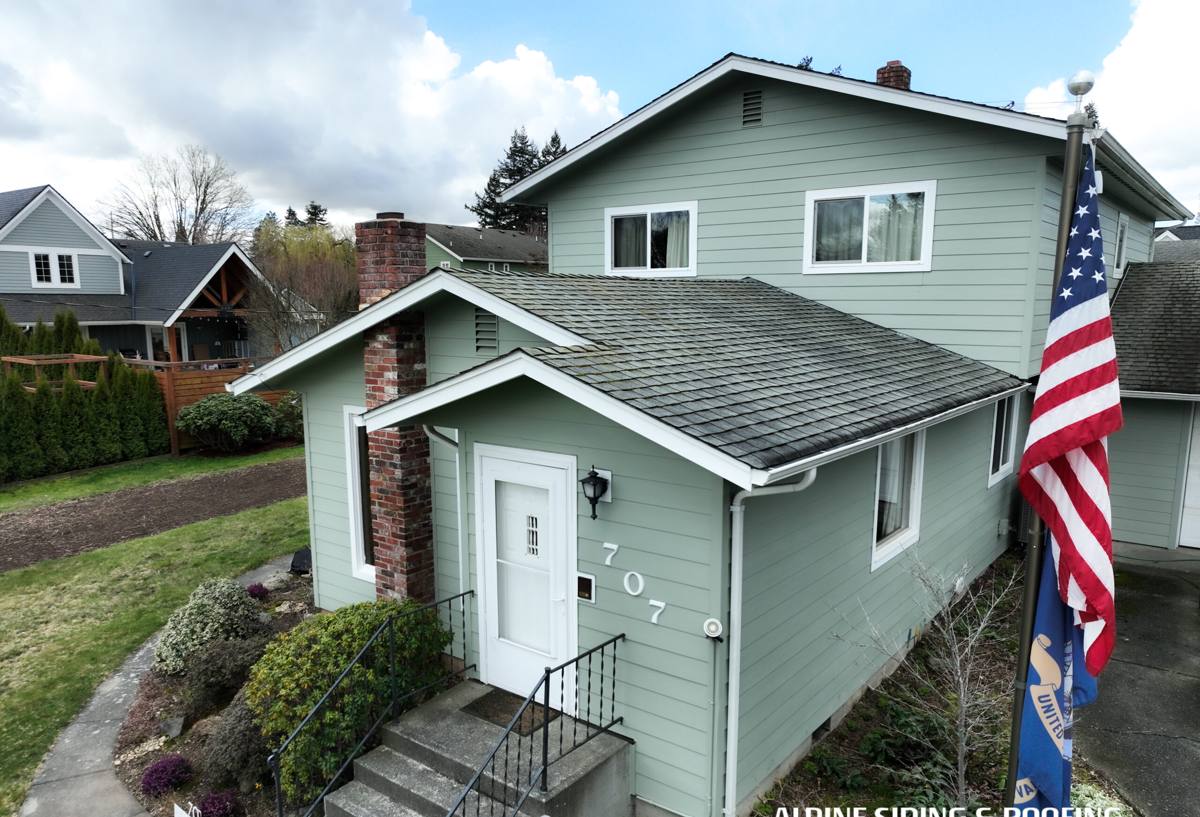
What the Climate Actually Does to a Roof Here
Wind
Barrier island homes see higher sustained wind speeds and more frequent gusting than inland properties, and that's before a named storm is anywhere near the Gulf. Roofs here need a fastening pattern, underlayment, and edge-detail approach built for that baseline wind exposure, not just for the occasional hurricane threat. Under-built roofs on the island tend to lose shingles or ridge caps in ordinary summer squalls, long before a hurricane ever gets involved.
UV and Heat
Without much shade cover, Indian Rocks Beach roofs take a near-constant dose of direct Florida sun. UV breaks down asphalt oils and accelerates granule loss on shingles, and it dries out lesser-quality underlayments faster than the manufacturer's rated lifespan would suggest. Material choice and proper attic ventilation both matter more here than on a shaded inland lot.
Wind-Driven Rain
Gulf storms don't just drop rain, they push it sideways and up under roof edges, vents, and flashing. A roof that only sheds water moving straight down will eventually leak on the island. Proper underlayment coverage, sealed penetrations, and correctly lapped flashing are what actually keep wind-driven rain out, not just the shingles themselves.
Salt Air
Salt in the air corrodes exposed metal — fasteners, flashing, vents, drip edge — faster the closer a home sits to the water. On Indian Rocks Beach that's most homes. Roofing hardware that would last decades a few miles inland can show rust and weakened holding power years sooner right on the coast if it isn't rated for the exposure.
Signs an Indian Rocks Beach Roof Needs Replacing, Not Patching
Because of the conditions above, roofs on the island often show wear patterns that inland homes don't see until much later in the roof's life. Before recommending full replacement, we look for:
- Granule loss heavy enough to expose the black asphalt mat underneath, especially on south- and west-facing slopes
- Curling, cupping, or cracked shingles from sustained UV exposure
- Rusted or heavily pitted fasteners, flashing, or vent boots
- Soft spots in the decking found during a walk of the roof, usually near valleys or penetrations
- Repeated small leaks in different spots after multiple past patch repairs
- Missing or lifted shingles after routine summer wind, not just after a named storm
- A roof approaching or past its rated service life with no wind mitigation documentation on file
One or two of these can often be repaired. Several at once, or a roof already past its expected lifespan, usually means a patch is a short-term fix on a bigger problem.
What a Correct New Roof Installation Involves Here
Tear-Off and Deck Inspection
We remove the existing roofing down to the deck rather than layering over it. That's the only way to actually see the plywood or OSB underneath — salt air and past leaks can rot decking from below in ways you can't spot with the old roof still on. Any soft or damaged decking gets replaced before anything new goes down; nothing goes over a deck that isn't sound.
Underlayment
Given how much wind-driven rain this location sees, we use underlayment specified for the exposure, not the minimum a code inspector would accept. Self-adhering, high-temperature underlayment at eaves, valleys, and penetrations does more real work protecting the home than most homeowners realize — it's the layer that keeps water out if the primary roofing is ever compromised in a storm.
Fastening Schedule
Coastal homes need a tighter, storm-rated nailing or fastening pattern than a standard inland install, matched to the material and the roof's actual wind exposure. This is one of the most common places corners get cut on cheap re-roofs, and it's usually invisible once the roof is finished — until wind tests it.
Flashing and Penetrations
Every chimney, vent pipe, skylight curb, and wall intersection is a place water can get in if flashing isn't cut, lapped, and sealed correctly. We use corrosion-resistant flashing material appropriate for salt air exposure rather than standard-grade metal that will pit and fail early this close to the water.
Ventilation
Proper intake and exhaust ventilation keeps attic temperatures and moisture in check, which protects the decking and helps the roofing material hit its full expected lifespan instead of aging early from trapped heat.
Choosing a Roofing Material for a Coastal Home
There's no single "correct" material for every Indian Rocks Beach home — it depends on the roof's shape, the home's structure, budget, and how long the owner plans to stay in the property. Here's how the common options compare for this specific exposure:
| Material | Wind Performance | Salt Air Durability | Maintenance | Typical Lifespan |
|---|---|---|---|---|
| Architectural asphalt shingle (high wind-rated) | Good, when installed with a coastal fastening schedule | Good with corrosion-resistant flashing and fasteners | Low | 20–30 years |
| Standard 3-tab shingle | Weaker under sustained coastal wind | Fair | Low | 15–20 years |
| Standing seam metal | Excellent when properly fastened and detailed | Very good with marine-grade coatings and fasteners | Low to moderate — watch fastener and coating condition over time | 40–50+ years |
| Concrete or clay tile | Very good, but individual tiles can dislodge in extreme wind if not properly attached | Very good — tile itself doesn't corrode | Moderate — occasional tile replacement, underlayment does the real weatherproofing | 40–50+ years |
We don't install exposed-fastener metal panel systems as a first recommendation for direct waterfront homes. The panels themselves hold up fine, but exposed fasteners in salt air tend to need attention sooner than concealed-fastener systems, and that's a maintenance burden worth knowing about upfront rather than discovering years later. We're glad to install whichever system a homeowner prefers — this is about setting honest expectations, not steering anyone away from a legitimate product.
How Our Process Works
- On-site inspection and estimate. We walk the roof, check the decking where accessible, and talk through material options based on the home's exposure and your budget — no pressure, no obligation.
- Written proposal. Material, scope, and price laid out clearly before any work starts.
- Permitting. New roof installations require a permit through Pinellas County or the applicable local building department. We handle that paperwork.
- Tear-off and deck repair. Old roofing removed, decking inspected and repaired as needed.
- Installation. Underlayment, flashing, and roofing material installed to the fastening and detailing standard appropriate for a barrier-island home.
- Final inspection and cleanup. County inspection sign-off where required, full site cleanup, and a walkthrough with you before we call the job done.
Permits, Wind Mitigation, and Insurance
A new roof triggers a building permit and inspection through the local building department — this isn't optional, and a contractor who skips it is putting your home's insurability at risk, not just cutting red tape. Once the new roof passes inspection, it's also worth having a wind mitigation inspection done. Florida insurers use that documentation to price windstorm coverage, and a properly installed, code-compliant roof on a coastal home can make a real difference in premiums. We can point you toward what documentation to keep from the job for that purpose.
Why Hire a Crew That Already Works Indian Rocks Beach
A roofing crew that mainly works inland jobs isn't necessarily prepared for what a direct-Gulf-exposure home needs. Fastening schedules, flashing material, and underlayment choices that are perfectly fine a few miles from the water can be under-built right on the beach. Working this specific stretch of Pinellas County regularly means we're used to the wind exposure, the salt air, and the practical realities of access and staging on narrow island lots — and we're not learning any of that on your roof for the first time.
We also know that homes here often carry older roofs installed before current wind-rating standards were common, which means a straightforward-looking re-roof can turn up decking or structural surprises that a contractor unfamiliar with the area might not anticipate or price for correctly.
Get a Straightforward Estimate
If your roof is showing its age, took damage in a recent storm, or you're just planning ahead before the next hurricane season, we're happy to take a look and give you an honest read on what it needs. The form below gets you a free, no-pressure estimate — no obligation, just a clear picture of your options.