 Largo Siding
 Building New on Indian Rocks Beach Comes With Its Own Window Rules
Indian Rocks Beach sits on a narrow barrier island west of Largo, with the Intracoastal Waterway on one side and the Gulf on the other. Almost nothing on this stretch of Pinellas County coastline is more than a few blocks from open water, which means almost every new-construction project here is built to a different standard than a typical inland Largo or Clearwater home. The windows going into a new build on the island aren't just a design choice — they're a structural component of the house, sized and rated for the wind and water exposure of that specific lot.
When we work a new-construction job on Indian Rocks Beach, the window package is decided early, alongside the framing and the exterior wall assembly, not picked out of a catalog after the walls are already up. That's the core difference between building new here and replacing windows in an existing home, and it's why this page focuses specifically on new construction rather than retrofit replacement.
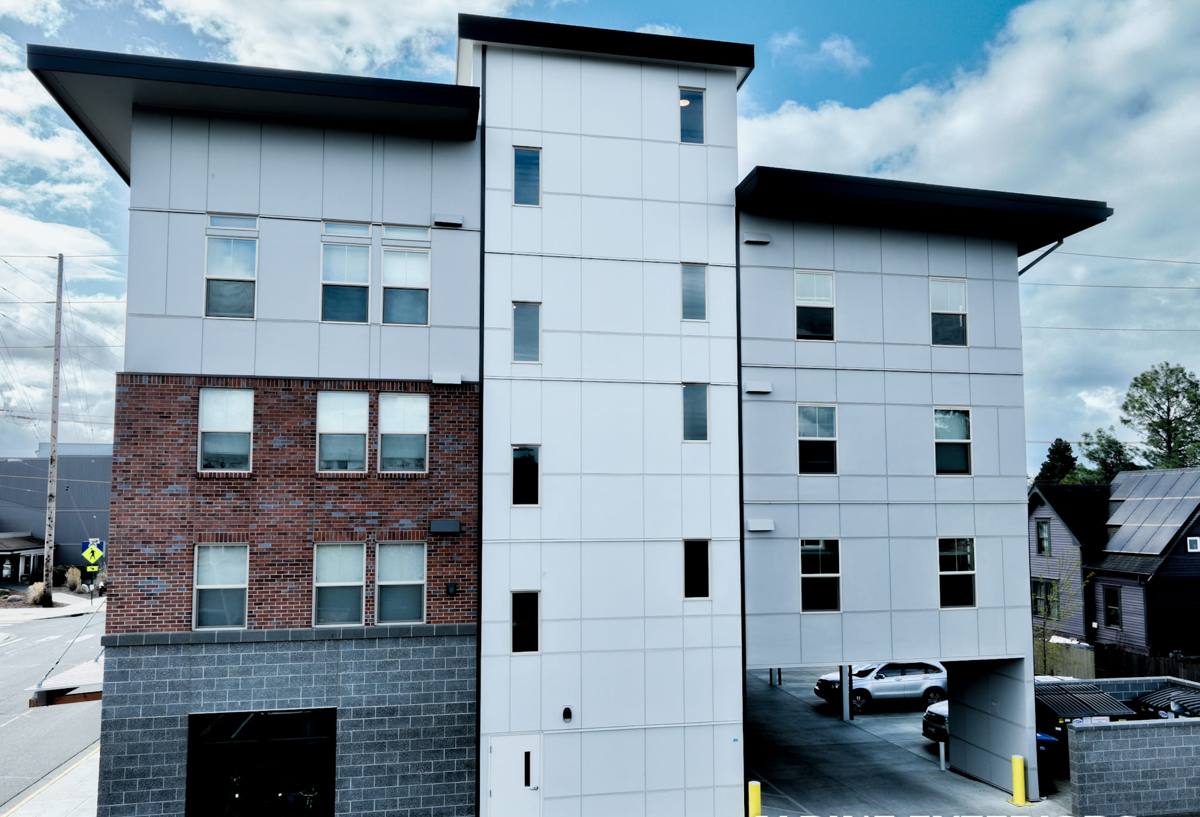
What This Coastline Actually Does to a Window Installation
Every material decision on this page traces back to four things this stretch of coast does to a house, year after year:
- Hurricane-force wind loads. Barrier island lots carry higher design wind pressures than inland sites a few miles away, and that pressure hits window glass and frames directly since there's no windbreak between the house and open water.
- Wind-driven rain. Storms here don't just bring wind — they push rain sideways into any gap in flashing or sealant. A window that's watertight in a calm rain can still leak under wind-driven rain if it wasn't installed with that in mind.
- Intense, near-constant UV. Florida sun degrades vinyl, weatherstripping, and low-grade sealants faster on the coast than inland, simply because there's more direct exposure and less shade from tree canopy on most island lots.
- Salt air. Airborne salt corrodes exposed hardware, fasteners, and unprotected metal components over time. It's a slow process, but it's constant, and it favors materials and finishes built to resist it.
None of this means a house on Indian Rocks Beach needs to look like a bunker. It means the window specification, the installation method, and the flashing details all need to account for a coastal exposure that a standard suburban build doesn't have to worry about.
New-Construction Windows vs. Replacement Windows: Why the Distinction Matters
These are two different jobs, not two names for the same thing. A replacement window is an insert unit set into an existing, already-finished opening — the surrounding wall, siding, and trim stay put. A new-construction window has a nailing fin (sometimes called a flange) around its perimeter that gets fastened directly to the framing and integrated into the house's weather-resistive barrier before any siding or stucco goes on.
That matters because a new-construction window is only as good as the wall assembly it's built into. The window itself might be correctly rated for wind and impact, but if the flashing sequence around it is wrong, water will find its way behind the siding regardless of how good the window is. New construction gives us one real advantage over replacement work: we get to control that entire assembly — sheathing, house wrap, flashing tape, and window — in the correct order, before it's ever covered up and hidden from view.
Where This Shows Up on the Job
On a new build, we're coordinating with the framer and the siding or stucco crew so the window goes in at the right point in the sequence — not too early, not after the weather barrier is already closed up around the opening. Getting that sequencing wrong is one of the most common causes of water intrusion in new construction, and it has nothing to do with the window brand.
What a Correct New-Construction Window Installation Involves
A properly installed new-construction window on a coastal Largo-area lot involves several steps that are easy to skip and hard to inspect later once walls are closed up:
- Rough opening verification. The opening is checked for square, plumb, and correct size against the window's actual dimensions before it ever goes in.
- Sill pan flashing. A sloped, sealed pan at the bottom of the opening directs any water that does get past the window back outside, instead of into the wall cavity.
- Weather-resistive barrier integration. House wrap or building paper is lapped and taped in the correct shingle-style order — top piece over the one below it — so water sheds down and out, never inward.
- Setting the window and fastening the nailing fin. The window is set plumb, level, and square, then fastened per the manufacturer's schedule, which is also what its wind and impact rating depends on.
- Flashing tape over the fin. Tape or flashing membrane covers the nailing fin on the sides and top, tying the window into the weather barrier as one continuous water-shedding system.
- Sealant at the interior and exterior. Backer rod and sealant close the remaining gaps, both to stop air and water infiltration and to allow the assembly to move slightly with temperature changes without cracking.
- Field verification before cover-up. Before siding, stucco, or trim covers the work, it gets a final check — because once it's covered, it's covered for the life of the house.
Skipping or rushing any one of these steps doesn't usually show up as a problem on day one. It shows up two or three years later as a stain on the drywall below a window, or a soft spot in the sill, after wind-driven rain has had time to find the gap.
Product Considerations for a Barrier-Island New Build
Frame material, glass, and impact rating all interact, and the right combination depends on the specific elevation of the house and how exposed that wall is to wind and water. Here's how the common choices generally compare for a coastal new-construction project:
| Consideration | Vinyl Frame | Aluminum Frame | Fiberglass Frame |
|---|---|---|---|
| Wind/impact rating availability | Widely available in code-compliant options | Strong strength-to-weight ratio, common in larger openings | Very strong, dimensionally stable option |
| Salt-air resistance | Not affected by corrosion | Needs a quality corrosion-resistant finish | Not affected by corrosion |
| UV/heat behavior | Can expand and contract with heat; quality varies by manufacturer | Conducts heat readily; thermal breaks help | Very stable across temperature swings |
| Typical cost position | Entry to mid-range | Mid-range | Mid to upper range |
Glass matters just as much as the frame. Impact-rated laminated glass is built with an interlayer that holds the glass together under impact — it's the same basic principle as a windshield. That's different from tempered glass alone, which is stronger than standard glass but can still leave an opening once it breaks. On a coastal new build, we spec glass and frame together against the wind pressure and any wind-borne debris requirements that apply to the specific lot, rather than treating them as separate decisions.
Our Process, From Plans to Final Inspection
We get involved as early as possible on a new-construction project — ideally at the plan review stage, not after the framing is already up. Our process generally runs:
- Plan review. We look at the window schedule against the house's elevation, orientation, and exposure to confirm the specified units are appropriate for that particular wall.
- Coordination with the builder. Window installation is timed with framing, sheathing, and the weather barrier so nothing gets closed in before it's inspected.
- Installation. Our crew follows the manufacturer's installation instructions to the letter, since that's what preserves the window's rating and warranty.
- Documentation. We keep records of what went in and how, which matters for both the county inspection and any future warranty claim.
- Final walkthrough. Before the job is called done, every window is operated, checked for square and seal, and reviewed with the homeowner or builder.
Permits, Inspections, and Working Within Pinellas County
New-construction windows on Indian Rocks Beach go through the same permitting and inspection process as any other structural component of the build, under the Florida Building Code as adopted and enforced locally. That means product approval documentation, correct fastening schedules, and flashing details all need to hold up to inspection, not just to a homeowner's eye. A crew that pulls permits and schedules inspections regularly in this specific area already knows the local inspection process and what documentation gets asked for — which keeps a project moving instead of stalling on paperwork.
Cost Factors to Expect
Pricing for a new-construction window package depends on more than just the number of openings. The main variables we walk through with homeowners and builders are:
| Factor | Why It Moves the Price |
|---|---|
| Window size and quantity | Larger openings and higher window counts increase both material and labor cost |
| Wind/impact rating required | Higher-rated assemblies use heavier glass and reinforced frames |
| Frame material | Vinyl, aluminum, and fiberglass carry different material costs |
| Wall height and access | Second-story or hard-to-access openings take more labor and equipment |
| Coordination complexity | Tight scheduling with a framing and siding crew on an active job site adds planning time |
Because every one of these varies by house, we don't quote a flat per-window price over the phone — an accurate number comes from reviewing the actual plans and elevation.
Why a Crew That Already Works Indian Rocks Beach Matters
A contractor who mostly works inland can still install a technically correct window — on an inland house. The difference on the island is judgment: knowing which elevations take the worst of the wind-driven rain, which lots sit closest to the water and need the higher end of the wind rating range, and how the local building department wants coastal flashing details documented. That judgment comes from having done the work here repeatedly, not from a single job.
There's also a practical scheduling advantage. A crew that regularly works this part of Pinellas County can coordinate more smoothly with the framers, siding installers, and inspectors who are also regularly on island job sites, which keeps a new-construction timeline from stalling while trades wait on each other.
Before You Sign a Contract: A Practical Checklist
- Ask for the specific wind and impact rating being proposed, and confirm it matches what the plans and local code require for that lot.
- Confirm whether sill pan flashing and weather-barrier integration are included as standard practice, not an upcharge.
- Ask how installation will be sequenced with framing and siding, and who is responsible for that coordination.
- Get manufacturer product approval documentation for the specific window line being installed.
- Clarify what's covered under warranty — the glass, the frame, and the installation labor are often three separate warranties.
- Ask whether the crew doing the physical installation works for the company directly or is a subcontractor, and who is on-site during the work.
If you're building new on Indian Rocks Beach and want a straight answer on what your window package should look like, we're happy to walk your plans with you and give a clear, no-pressure estimate. Use the form below to get started.