 Largo Siding
 Windows Built for Redington Shores, Not Just "Energy-Efficient" on a Label
Redington Shores sits right on the barrier island strip of Pinellas County, which means every window on a home here is doing double duty. It has to keep conditioned air inside and outside heat out, and it has to survive salt-laden air, intense year-round UV, and the wind-driven rain that comes with living this close to the Gulf. A window that's rated "energy-efficient" for a home in Ohio or even inland Largo isn't automatically the right choice for a house three blocks from open water. Local exposure changes what actually matters in a window, and that's the piece a lot of national window retailers skip over.
When we talk about energy-efficient windows for this area, we mean windows chosen and installed with the coastal environment as the starting point, not an afterthought. That affects the glass package, the frame material, the hardware finish, and how the unit gets sealed into the rough opening.
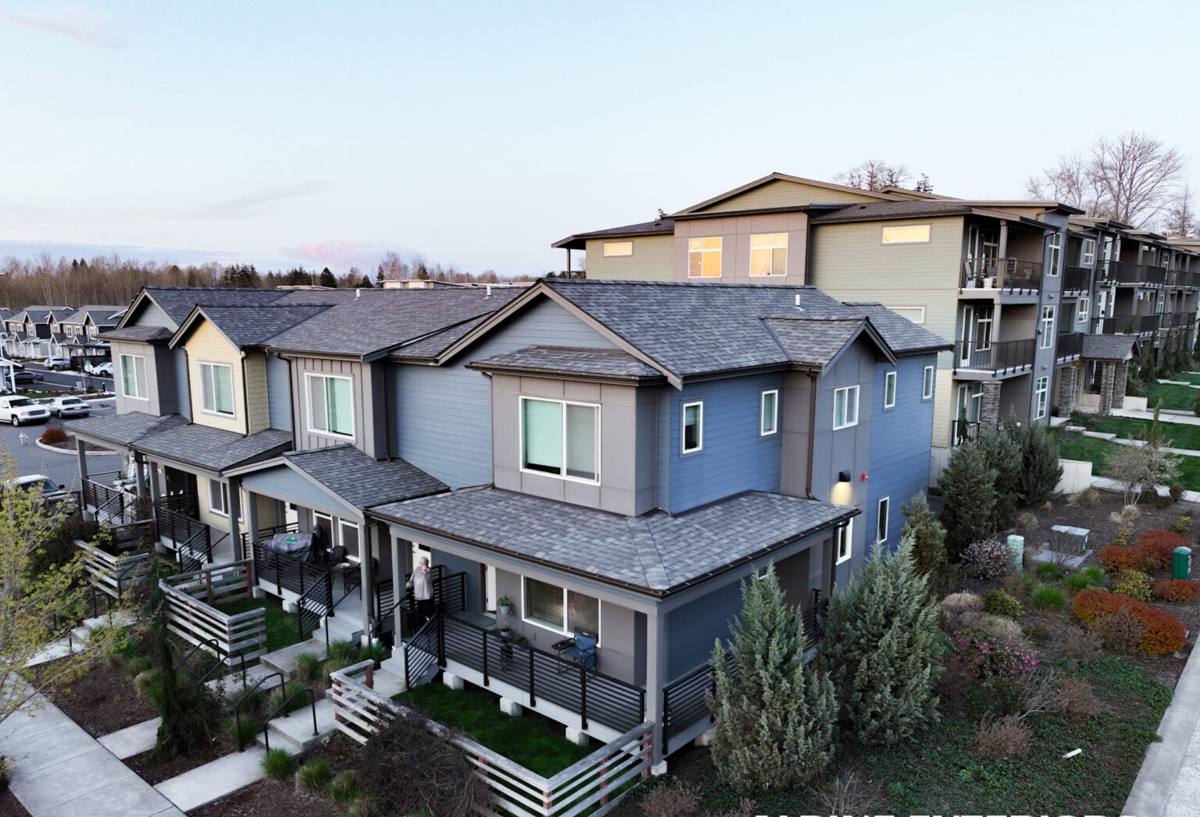
What Redington Shores Homes Actually Need From Their Windows
Heat and UV Control
Florida sun is relentless nearly every month of the year, and on the barrier islands there's little tree canopy to soften it. Older single-pane or early-generation double-pane windows let a huge amount of solar heat straight into the living space, which pushes the AC to run longer and harder. Low-E glass coatings are designed specifically to block infrared heat while still letting visible light through, which is a big part of why a window upgrade shows up on the electric bill.
Wind and Impact Resistance
Homes in this part of Pinellas County need windows that meet Florida Building Code wind-load and impact requirements for our coastal wind zone. That's not optional trim-level upgrade territory here — it's baseline. A window that isn't rated and installed correctly for wind pressure is a liability during a tropical storm or hurricane, both from a safety standpoint and an insurance standpoint.
Moisture and Salt Air Durability
Salt air corrodes hardware, pits certain metals, and accelerates the breakdown of poor-quality seals and gaskets. Wind-driven rain also tests window installations in ways that inland homes rarely see — water gets pushed sideways and upward against the building envelope, not just down. A window and installation method that hasn't been chosen with that in mind will eventually leak, even if the glass itself performs fine.
Signs Your Current Windows Are Costing You Money
Most homeowners don't think about their windows until something goes wrong, but inefficient windows quietly cost money every single month. Common signs we see in older Redington Shores and greater Largo homes include:
- Rooms near windows feel noticeably hotter than the rest of the house in the afternoon
- Condensation or fogging between the glass panes, which means the seal has failed
- Visible fading on furniture, flooring, or curtains near windows from UV exposure
- Drafts you can feel with your hand near the frame, even with the window latched
- Difficulty opening, closing, or locking windows due to corroded or swollen hardware
- A cooling bill that climbs even when your AC system itself is in good shape
Any one of these is worth a look. Several of them together usually means the windows have reached the end of their useful life rather than needing a repair.
Frame and Glass Options: What Actually Fits a Coastal Home
There's no single "best" window for every house, but some materials and glass packages hold up better than others in a salt-air, high-UV, high-wind environment. Here's how the common options generally compare for a home in this area.
| Option | Strengths in This Climate | Trade-offs |
|---|---|---|
| Vinyl frame, impact-rated, Low-E glass | Won't corrode from salt air, good insulation value, lower cost than fiberglass or aluminum-clad | Can expand/contract with heat over time if not installed with proper clearance |
| Fiberglass frame, impact-rated | Very stable in heat, strong, resists warping and corrosion | Higher upfront cost |
| Aluminum frame | Strong and slim sightlines | Conducts heat unless thermally broken; more prone to corrosion near saltwater without proper coating and maintenance |
| Standard (non-impact) glass with storm shutters | Lower upfront window cost | Shutters must be deployed before every storm; doesn't address daily heat/UV performance as well as Low-E impact glass |
For most Redington Shores homes, we steer people toward impact-rated windows with a Low-E glass package as the baseline, because it solves the wind, debris, heat, and UV problem with one product instead of layering on separate storm protection. We'll walk through the honest trade-offs for your specific home and budget rather than pushing one option across the board.
What a Correct Installation Actually Involves
The window unit itself is only part of the performance equation. A high-end energy-efficient window installed poorly will still leak air, let in water, or fail prematurely. A correct installation on a coastal home includes:
Accurate Measurement and Opening Prep
Every rough opening gets measured and checked for square, level, and plumb before a window ever goes in. Openings that have shifted or settled over the years, which is common in older Pinellas County homes, need to be addressed before installation, not covered up.
Proper Flashing and Sealing
This is where most window leaks actually originate — not the glass, but the transition between the window frame and the wall. Flashing has to be layered correctly (shingled, not just caulked) so water is directed out and away from the wall assembly, especially given how much wind-driven rain this stretch of coast gets.
Code-Compliant Anchoring
Impact-rated windows only perform to their rating if they're anchored according to the manufacturer's tested installation instructions and current Florida Building Code. Skipping fastener spacing or using the wrong anchor type can void the product's wind rating even if the window itself is a good one.
Interior and Exterior Sealant Finish
The final sealant beads, both inside and out, matter for keeping moisture and air infiltration out long-term — and for keeping the finished look clean, which matters on a home that's visible from the street or a neighboring property.
Our Process, Start to Finish
We keep the process straightforward and try to minimize disruption to your home and schedule:
- On-site assessment — we look at your existing windows, note problem areas, and talk through what you actually need versus what you don't.
- Product and glass selection — we go over frame material and glass package options based on your home's exposure, budget, and appearance goals.
- Written estimate — clear scope, materials, and pricing before any work is scheduled, no vague allowances.
- Permitting — impact and wind-rated window replacements in Pinellas County typically require a permit; we handle that paperwork so you don't have to chase it down.
- Installation — removal of old units, opening prep, setting and anchoring the new windows, and proper flashing and sealing.
- Final walkthrough and inspection — we confirm operation, sealing, and finish work with you before we consider the job done, and coordinate any required inspection.
Permitting and Local Requirements
Window replacements on the Pinellas County barrier islands are governed by the Florida Building Code's wind and impact provisions, and Redington Shores enforces its own permitting process on top of that. Skipping the permit step might seem like a shortcut, but it can create real problems later — with insurance claims, with a home sale, or with code enforcement. Part of hiring a contractor who works this area regularly is that the permitting and inspection process is already a known routine, not something being figured out for the first time on your project.
Why Local Experience in Redington Shores Matters
A contractor who mainly works inland jobs doesn't deal with salt air corrosion, barrier-island wind exposure, or Gulf-front moisture patterns on a regular basis. Those factors change material choices, sealing methods, and even which hardware finishes hold up. A crew that already works Redington Shores and the surrounding Largo coastline knows the local permitting office, understands how these homes are typically built, and has seen firsthand what fails and what holds up out here over time. That experience shows up in fewer callbacks and windows that actually perform the way they're supposed to for years, not just on installation day.
Keeping Your New Windows Performing Long-Term
Energy-efficient windows are a long-term investment, and a little upkeep protects that investment in a salt-air environment:
- Rinse frames and hardware periodically with fresh water to remove salt buildup, especially if you're close to the water
- Check and clean weep holes so water can drain properly out of the frame
- Inspect exterior caulking and sealant yearly for cracking or gaps
- Lubricate locks and moving hardware to prevent salt-related stiffness or corrosion
- Address any soft spots, staining, or bubbling paint around window trim promptly — early signs of a moisture issue are far cheaper to fix than a hidden one
Get a Straightforward, No-Pressure Estimate
If your windows are drafty, fogged, hard to operate, or you're just planning ahead of the next storm season, we're happy to take a look and give you an honest read on what your home actually needs. Use the form below to request a free estimate, and we'll walk the property with you and answer questions without any pressure to buy more than what makes sense for your home.