 Largo Siding
 Why Dunedin Homes Ask More of Their Windows
Dunedin sits close enough to the Gulf that its homes take on a different set of stresses than houses further inland. Windows here aren't just letting light in and keeping air conditioning where it belongs — they're a structural part of the home's defense against wind, water, and sun. Between hurricane-force wind events, near-constant UV exposure, wind-driven rain that finds its way through the smallest gaps, and salt-laden air that accelerates corrosion on hardware and frames, a window that would perform fine in a drier, calmer climate can fail early here.
That combination is why window replacement in this part of Pinellas County isn't a one-size-fits-all job. The right product, the right installation detail, and the right sequencing around flashing and weatherproofing all matter more here than they would somewhere without coastal exposure. This page walks through what that actually means for a Dunedin home, and what a correct replacement job looks like from start to finish.
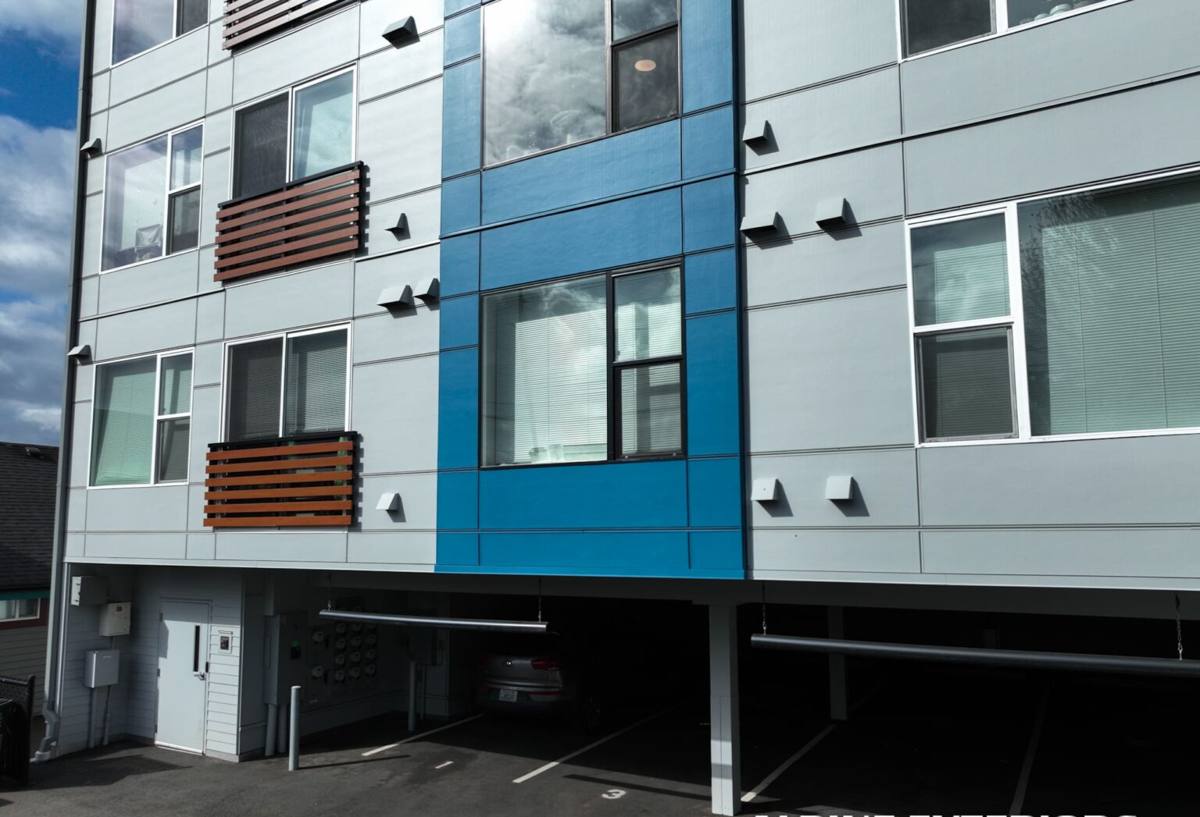
What the Local Climate Does to Ordinary Windows
Wind and Pressure
During tropical storms and hurricanes, wind doesn't just push against a window — it creates pressure differentials that can pull a poorly installed unit out of its opening or shatter glass that isn't rated for impact and wind-borne debris. Even outside of storm season, sustained coastal wind gusts stress frames and seals over years of everyday exposure.
UV Exposure
Florida sun is intense and consistent nearly year-round. UV breaks down vinyl, degrades seals, and fades or clouds lower-quality glass coatings. Windows that were installed with builder-grade materials often show visible yellowing, warping, or seal failure well before they reach the end of a normal service life.
Wind-Driven Rain
Rain that comes in sideways during a storm tests the flashing and sealant details around a window far more than a calm rainfall ever would. This is usually where cheap installations fail first — not because the window itself leaked, but because the opening around it wasn't properly integrated with the home's water management system.
Salt Air
Proximity to the Gulf means airborne salt settles on and around window hardware, screens, and frames. Over time this accelerates corrosion on hinges, locks, and any exposed metal components, and it can degrade certain finishes faster than manufacturers' standard warranties anticipate.
Impact-Rated vs. Standard Windows: What Actually Matters
Homeowners in this area often ask whether they need full impact-rated windows or whether standard windows paired with separate storm protection is enough. Both are legitimate approaches, and the right one depends on the home, the budget, and how the homeowner wants to manage storm prep.
| Option | How It Works | Trade-Offs |
|---|---|---|
| Impact-Rated Windows | Laminated glass and reinforced frames resist wind-borne debris without added shutters or panels | Higher upfront cost; no storm-day prep needed; often qualifies for insurance credits |
| Standard Windows + Shutters/Panels | Standard glass paired with separate removable or accordion storm protection | Lower window cost, but requires storm prep every event and ongoing shutter maintenance |
| Standard Windows, No Storm Protection | Meets minimum code in some cases depending on wind zone and home history | Highest risk during storms; rarely recommended for homes this close to the coast |
We'll walk through which category fits a given home based on its current wind zone requirements, existing openings, and the homeowner's priorities — there's rarely a single "right" answer that applies to every house.
Signs a Dunedin Home's Windows Are Overdue for Replacement
- Visible condensation or fogging between panes, which usually means a failed seal on double-pane glass
- Frames that feel soft, show discoloration, or have visible warping from UV and heat cycling
- Difficulty opening, closing, or locking windows — often a sign of frame movement or corroded hardware
- Noticeable drafts or a rise in cooling costs that isn't explained by anything else in the home
- Chalky, faded, or cracked exterior caulking and sealant around the window opening
- Windows that predate the home's current wind zone requirements or were installed before a known storm event
- Visible rust or corrosion on hinges, cranks, or locking hardware
Any one of these on its own isn't necessarily an emergency, but a home showing several of them at once is usually past the point where sealant touch-ups or hardware repairs will hold.
What a Correct Window Replacement Job Involves
Swapping an old window for a new one is the easy part to see — it's the details around the opening that determine whether the job holds up through the next decade of Florida weather. A proper replacement includes:
Opening Assessment
Before any window comes out, the opening itself needs to be checked for rot, moisture intrusion, or structural issues that a new window would otherwise seal in rather than fix.
Flashing and Weatherproofing
This is the layer most invisible to a homeowner and most responsible for keeping wind-driven rain out. It has to be integrated correctly with the home's existing water management — house wrap, siding, and trim — not just caulked around the edges.
Proper Fastening for Wind Load
The window has to be anchored according to its rated wind load, using the fastening schedule the manufacturer specifies for the applicable wind zone — not a generic install pattern used everywhere regardless of exposure.
Interior and Exterior Finish Work
Trim, caulking, and sealant on both sides of the wall need to be finished cleanly and durably, since a sloppy finish is often where early failures start, even when the window itself is sound.
Our Process, Start to Finish
- Free on-site assessment — we look at the current windows, the openings, and the home's exposure to talk through realistic options.
- Product selection — we go over impact-rated versus standard options, frame materials, and glass packages based on the home and budget.
- Permitting — window replacement in Pinellas County typically requires a permit, and we handle that process rather than leaving it to the homeowner.
- Removal and opening prep — old units come out carefully, and we address any rot or moisture issues found in the opening before moving forward.
- Installation — new windows are set, flashed, and fastened according to the manufacturer's wind-load specifications.
- Finish work and inspection — interior and exterior trim and sealant are completed, and the job is prepared for any required inspection.
Frame Materials and Glass: What Holds Up Near the Coast
Not every frame material performs the same way under UV and salt exposure. Vinyl frames have improved significantly and, with UV-stabilized formulations, hold up well and require little maintenance. Aluminum frames are strong and slim but need attention to finish quality to resist corrosion in salt air. Fiberglass and composite options offer strong dimensional stability but come at a higher price point.
On the glass side, laminated impact glass is the standard for storm protection, and low-E coatings help manage heat gain from constant Florida sun without noticeably darkening the view. We'll talk through which combination makes sense for a given home rather than defaulting to one product for every job — the right choice depends on sun exposure, budget, and whether the home is pursuing impact-rated protection.
Permits, Codes, and Wind Zone Requirements
Window replacement in this part of Florida is governed by the Florida Building Code's wind-borne debris and pressure requirements, which vary by wind zone and how close a property sits to the coast. Pinellas County requires permits for window replacement, and inspections confirm that the installed product and fastening method match what's required for the home's zone. Skipping this step — or hiring a crew that does — can create problems later with insurance claims or when the home is sold and a permit history is reviewed.
Why a Crew That Already Works in Dunedin Matters
Window replacement is one of those jobs where the difference between a good installation and a mediocre one often isn't visible until the next big storm or a few years of sun exposure. A crew that regularly works in this part of Pinellas County already understands the wind zone requirements, the permitting process, and the kind of flashing and weatherproofing details that hold up against wind-driven rain and salt air — because they've seen what happens when those details are done wrong on homes just like this one. That local familiarity translates into fewer surprises, a smoother permitting process, and an installation built for the conditions the home will actually face rather than a generic standard borrowed from a drier climate.
If your Dunedin home's windows are showing their age or you're planning ahead of the next storm season, we're happy to take a look and walk through honest options — no pressure, no upsell. Reach out using the form below for a free estimate.