 Largo Siding
 Window Installation in Dunedin: Built for a Coastal Pinellas Climate
Dunedin sits on the Gulf side of Pinellas County, close enough to open water that salt air, wind-driven rain, and hurricane-season wind loads are simply part of owning a home here. Windows take more of that stress than almost any other part of a house — they're the seams in the exterior wall, the spot where glass, frame, flashing, and wall assembly all have to work together, and where a shortcut during installation shows up as a leak, a draft, or a failed seal years before it should. In a climate this demanding, how a window is installed matters as much as which window you buy.
Largo Siding Company installs windows for homeowners throughout Dunedin and the surrounding Pinellas County communities we serve, along with siding, roofing, and other exterior work. This page focuses specifically on what window installation should look like for a Dunedin home — what the local climate does to windows over time, what a correct installation actually involves, and why it's worth hiring a crew that already knows this stretch of coastline.
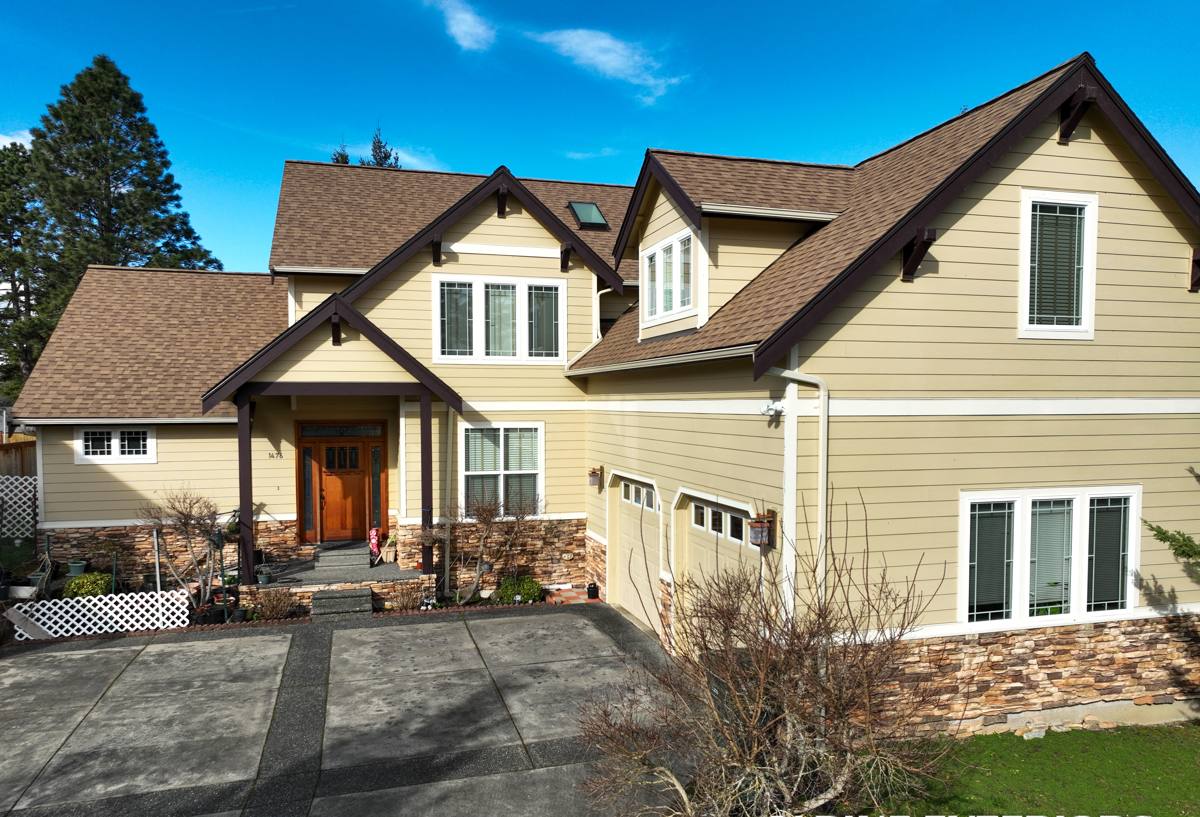
What This Climate Does to Dunedin Windows
Hurricane-Force Wind Loads
Dunedin's proximity to the Gulf means homes here are built and permitted for real wind exposure, not the modest wind loads assumed in much of the country. During tropical storms and hurricanes, wind doesn't just push against a window — it creates pressure differentials that can pull a poorly anchored frame away from the wall, and it drives windborne debris into glass that isn't rated to take an impact. A window's wind and impact rating, and how securely it's fastened to the structure, matters more here than in almost any inland market.
Salt Air and Corrosion
Being close to open Gulf water means airborne salt settles on every exterior surface in Dunedin, windows included. Over years, that salt load accelerates corrosion on hardware, screen frames, and lower-grade fasteners, especially on window elevations facing prevailing wind off the water. It's a slow process, but it's why hardware finish and fastener choice deserve real thought here instead of defaulting to whatever ships with the cheapest window.
Wind-Driven Rain and Flashing
Rain in a coastal Pinellas storm rarely falls straight down — it's pushed sideways into head flashing, jambs, and sill pans by the same wind that makes the storm dangerous in the first place. A window with excellent glass and a poor flashing job will still leak under that kind of load. Most of the water intrusion we find behind Dunedin siding and trim near windows traces back to a flashing detail that was skipped or rushed, not to the window itself.
Year-Round UV
Florida's sun angle and long day length put more cumulative UV load on window frames, seals, and exterior caulk each year than most of the country ever sees. Lower-grade vinyl and rubber components can chalk, stiffen, or crack years ahead of schedule under that kind of exposure, which is part of why seal and gasket quality matters as much as glass quality on a Dunedin install.
Impact-Rated Windows and Florida Building Code
Because Dunedin sits inside Florida's wind-borne debris region, most window replacement and new-construction work here falls under Florida Building Code provisions written specifically for that exposure. In practice, that means a permitted window project generally needs one of two things: windows rated to resist wind-borne debris impact directly, or a code-compliant protective system, such as approved shutters, paired with windows engineered for the wind pressures Pinellas County actually sees.
Impact Glass
Impact-rated windows use laminated glass, similar in principle to a car windshield, bonded to a structural interlayer that holds the glass in place even when the outer pane cracks under debris impact. The whole assembly — glass, frame, and anchoring — is tested and rated together, which is why swapping "impact glass" into a frame that wasn't engineered for it doesn't actually produce a genuinely impact-rated window.
Impact Glass vs. Shutters
Shutters can satisfy the code requirement at a lower upfront cost, but they only protect the opening when someone actually deploys them before a storm. Impact windows protect the opening at all times, add a meaningful layer of forced-entry resistance, and typically cut down on outside noise, without changing how the home operates day to day. We'll walk you through both paths honestly, including the real cost difference, rather than assuming one is automatically right for your home.
Window Materials: What Actually Holds Up Here
Material choice matters, but so does matching the product to how exposed a given wall actually is — a shaded, inland-facing wall and a wall that takes direct Gulf wind don't always call for the same answer.
| Frame Material | Salt & Moisture Behavior | Typical Maintenance | Fit for Dunedin's Exposure |
|---|---|---|---|
| Vinyl | Won't rot or corrode; weld and reinforcement quality varies by product line | Low; occasional track and weep-hole cleaning | Good, budget-friendly option when impact-rated |
| Fiberglass | Dimensionally stable, resists heat and moisture movement well | Low | Strong fit for direct sun and salt exposure |
| Aluminum | Strong, slim-profile frames, but can corrode over time in salt air unless well-finished | Moderate | Common on impact systems; finish quality matters |
| Wood, clad or painted | Attractive but the most vulnerable to humidity and salt-driven finish failure | Higher; regular finish maintenance | Workable inland or on protected elevations; higher upkeep near the water |
We'll talk through which frame material fits your home's specific exposure, budget, and the look you're after, rather than steering every homeowner toward the same product regardless of where the house sits.
Full-Frame Replacement vs. Insert Replacement
One of the first decisions on any window project is whether to do a full-frame replacement, which removes the old window down to the rough opening and rebuilds the flashing from scratch, or an insert replacement, which fits a new window into the sound, existing frame. Insert replacement is faster and less disruptive to surrounding siding and trim, and it's a reasonable option when the existing frame is structurally sound, properly flashed, and free of hidden moisture damage. Full-frame replacement takes longer and costs more, but it's the honest answer whenever there's already rot or water damage at the sill or jambs, or when the original flashing was never installed correctly. We'll tell you which situation your home is actually in rather than defaulting to the cheaper option and sealing a moisture problem back up behind a new window.
Installation Fundamentals We Don't Treat as Optional
Most window failures in coastal Pinellas County aren't failures of the window itself — they're shortcuts in the flashing, sealing, or fastening details that don't show up until the first serious storm season. On every Dunedin installation, that means:
- A properly pitched sill pan that sheds water outward instead of letting it pool under the frame
- Head flashing integrated with the wall's weather-resistive barrier, lapped correctly so water sheds down and out, not behind it
- Jamb flashing tied into the surrounding wall assembly, not relying on caulk alone to keep water out
- Fasteners and anchoring rated for the wind loads this stretch of coast actually sees, installed to the manufacturer's tested pattern
- Corrosion-resistant hardware and fasteners suited to a salt-air environment, not whatever ships standard with a budget window
- Weep holes and drainage paths left clear and functional, never sealed shut during trim-out
None of these steps add meaningfully to the cost of a window relative to the unit itself, but skipping any one of them is exactly what turns a properly rated window into a leak or a failed opening within a few storm seasons.
Signs a Dunedin Home Needs Window Attention
- Fogging or condensation trapped between panes, which usually means a failed seal on a double-pane unit
- Noticeable drafts or a temperature difference near a closed window
- Soft, discolored, or spongy trim and sill material, especially on wind-facing elevations
- Windows that are difficult to open, close, or latch smoothly
- Chalking, stiffening, or visible cracking in frame material or exterior caulk
- Visible gaps or daylight around the frame from inside the house
- Water staining on interior walls or ceilings near a window after a storm
Any one of these is worth a professional look before the next storm season, not after. Caught early, most point to a repair or resealing job rather than a full replacement.
Why a Crew That Already Works Dunedin Matters
A crew that installs windows along this part of the Gulf coast through hurricane season after hurricane season learns things that don't show up on a spec sheet — how much a given wall orientation in Dunedin actually takes from prevailing wind and salt spray, which permitting and inspection details Pinellas County actually enforces on window replacement work, and which installation shortcuts tend to fail first in this specific combination of sun, salt, and storm exposure. That local knowledge is the difference between a window installed to pass inspection and one installed to actually perform the next time a named storm comes through.
It also means working with a company that treats your window project as part of the whole exterior, not an isolated swap. Largo Siding Company handles siding and roofing across Pinellas County as well, so if a window project uncovers moisture damage in the surrounding wall or a flashing issue where the roofline meets the wall, we can address it as part of the same conversation instead of sending you to find another contractor.
Get a Free, No-Pressure Estimate
If your Dunedin home has windows that are fogging, drafty, hard to operate, or simply due for an upgrade before the next storm season, we're glad to take an honest look and walk you through what it actually needs — impact-rated or not, full-frame or insert. Reach out using the form below to schedule a free, no-pressure estimate.