 Largo Siding
 Dunedin's Climate Is Hard on Siding — Here's Why
Dunedin sits on the Gulf side of Pinellas County, which means homes here deal with a combination of stressors that inland siding rarely has to survive: salt-laden air rolling in off the water, wind-driven rain during summer storms, tropical-storm and hurricane-force gusts, and some of the most intense year-round UV exposure in the continental United States. Any one of these on its own is manageable. All four, every year, for decades, is what actually wears siding out.
Salt air is corrosive to metal fasteners and hardware, and it accelerates the breakdown of coatings that aren't formulated to resist it. UV exposure fades paint and dries out organic materials — wood and wood-based products lose flexibility and start to crack. Wind-driven rain doesn't just hit siding, it gets pushed sideways and upward under laps and around penetrations, which is where most water intrusion problems actually start. And hurricane winds put direct pressure and impact load on whatever's fastened to the wall.
Siding for a Dunedin home has to be evaluated against all four of these at once, not just judged on how it looks in a showroom. That's the lens we use on every estimate.
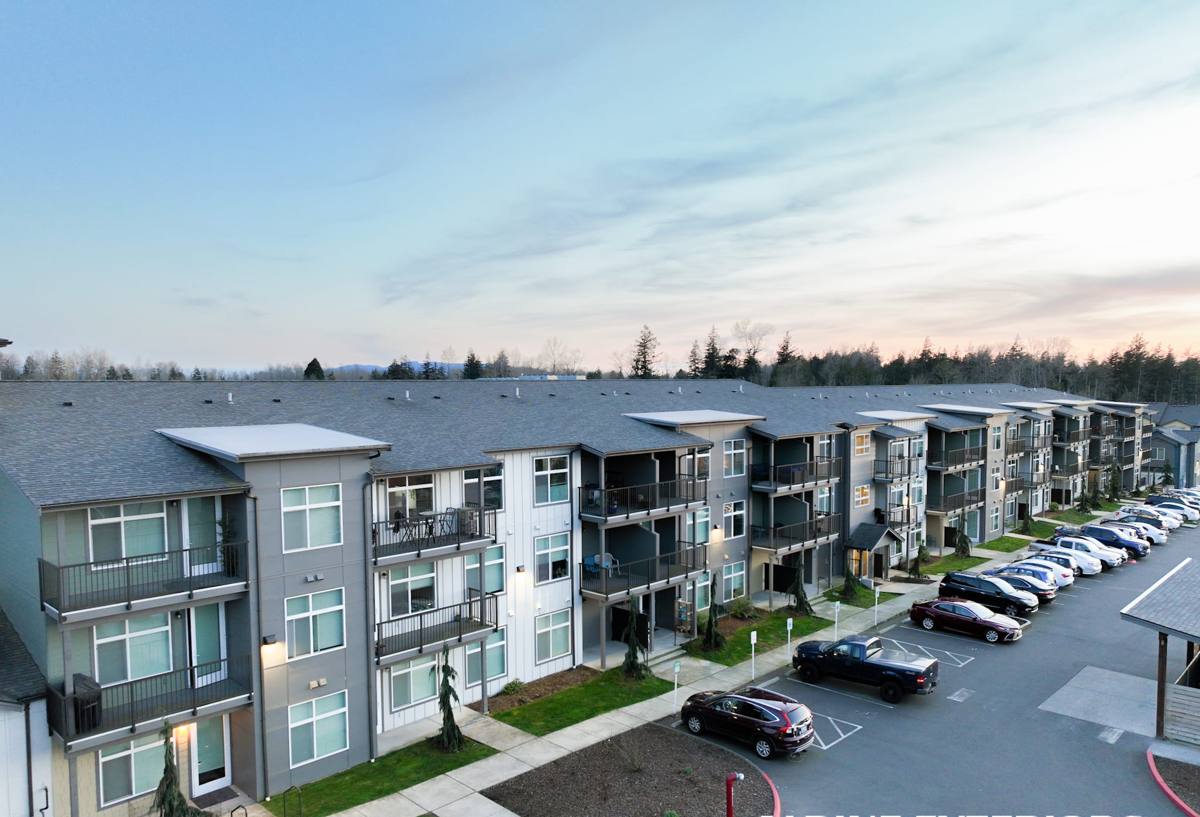
Why We Install Only James Hardie Fiber Cement
We install James Hardie fiber cement siding exclusively — not vinyl, not LP SmartSide, not Cemplank or Allura, not primed wood. That's a deliberate standard, not a limitation in what we're capable of installing.
Fiber cement is a mix of cement, sand, and cellulose fibers, engineered to be dimensionally stable and non-combustible. It doesn't expand and contract with humidity the way wood-based products do, and it doesn't soften or delaminate when it takes on moisture the way some engineered wood products can if a seal fails. James Hardie makes a specific product line — the HZ5 formulation — engineered for the Gulf Coast humidity and moisture cycling that Pinellas County homes deal with year-round. That regional engineering is part of why we standardized on this manufacturer rather than a generic fiber cement product.
ColorPlus, Hardie's factory-applied finish, is baked on and cured under controlled conditions rather than field-painted. That matters in a climate like Dunedin's: field-applied paint on siding is fighting UV degradation and humidity from day one, while a factory finish goes on before the product ever sees a job site. It's backed by its own finish warranty separate from the substrate warranty, and it's engineered to resist the fading that intense Florida sun causes over time.
What Correct Fiber Cement Installation Actually Requires
Fiber cement siding is only as good as its installation. The material itself is durable, but a sloppy install can undercut every advantage it has. On a Dunedin home, we pay particular attention to:
- Proper clearance and gapping — siding needs a gap from the ground, roofline, and other hard surfaces per manufacturer spec, so water has somewhere to go instead of wicking upward.
- Correct fastener pattern and type — corrosion-resistant fasteners driven at the right depth and spacing, since over-driven or under-driven nails are one of the most common causes of early siding failure.
- Weather-resistant barrier and flashing detail — house wrap installed and lapped correctly, with proper flashing at windows, doors, and any wall penetration, so wind-driven rain can't work its way behind the siding.
- Rainscreen or drainage plane where called for — allowing incidental moisture that does get behind the cladding to drain and dry rather than sit against the wall sheathing.
- Caulking and sealant only where specified — over-caulking traps moisture just as badly as under-caulking lets it in; manufacturer installation instructions specify exactly where sealant belongs and where it doesn't.
Every one of these details is inspectable, and every one of them affects how the siding performs against salt air and wind-driven rain specifically — not just general weather.
Our Process on a Dunedin Home
We keep the process straightforward and give homeowners a clear picture of what's happening at each stage:
- On-site assessment. We walk the exterior, check existing siding and sheathing condition, look at moisture history around windows and roof lines, and take measurements.
- Written estimate. You get a clear scope — product line, color, trim details, and what the job includes — before any work starts.
- Tear-off and substrate check. Old siding comes off and we inspect the sheathing underneath. Any rot or damage gets addressed before new siding goes up — covering a compromised wall with new siding just hides the problem.
- House wrap and flashing. The weather-resistant barrier and all flashing details go in first, since this layer does most of the actual water-management work.
- Hardie installation to manufacturer spec. Fastening, gapping, and joint treatment follow James Hardie's published installation guidelines, not shortcuts.
- Trim, caulk, and final inspection. We finish trim details and do a walk-through with the homeowner before calling the job complete.
Fiber Cement vs. Other Siding Options
| Material | Moisture Behavior in Humid/Coastal Climate | UV/Fade Resistance | Maintenance |
|---|---|---|---|
| James Hardie Fiber Cement | Dimensionally stable; engineered HZ5 formulation for humid coastal regions | Factory ColorPlus finish resists fading | Occasional washing; no repainting cycle with ColorPlus |
| Vinyl | Doesn't absorb water, but can warp or distort in high heat and impact from wind-driven debris | Can fade and become brittle under sustained UV | Low, but panels are hard to color-match if replaced individually |
| Engineered Wood (e.g. LP SmartSide) | Wood-based core is more sensitive to sustained moisture exposure if seams or coatings fail | Coating can wear; needs monitoring at cut edges and joints | Periodic inspection of seams and touch-up important in humid climates |
| Primed Wood/Cedar | Absorbs moisture, prone to swelling, cupping, and rot in sustained humidity | Requires repainting on a regular cycle | Highest — repainting, caulking, and rot monitoring on an ongoing basis |
This isn't a claim that other materials are unusable — it's why, after weighing moisture behavior, UV performance, and long-term maintenance against what Pinellas County weather actually does to a house, we standardized our installs on one product system we trust to hold up.
Cost Factors for a Dunedin Fiber Cement Siding Project
| Factor | Why It Affects Cost |
|---|---|
| Home size and wall complexity | More square footage and more corners, dormers, or gables mean more material and labor |
| Substrate condition | Rotted sheathing or existing water damage found during tear-off requires repair before new siding goes on |
| Product line and profile | Lap siding, shingle-style panels, and vertical panel options carry different material costs |
| Trim and accessory scope | Corner boards, window and door trim, and soffit/fascia work add to total scope |
| Color and finish | Standard ColorPlus colors versus custom or premium finishes affect material pricing |
We don't quote a number until we've actually looked at the house — anything else is a guess. What we can tell you up front is what drives the number up or down, so the estimate makes sense when you see it.
Signs a Dunedin Home May Need New Siding
- Visible cracking, warping, or buckling in existing siding panels
- Soft or spongy spots when pressed, especially near the bottom of walls or under windows
- Paint that's peeling or blistering repeatedly in the same spots
- Gaps opening up at seams, corners, or trim
- Rising energy bills with no other clear cause, which can point to compromised insulation behind the siding
- Visible mold, mildew, or staining that keeps returning after cleaning
- Siding that's noticeably faded or chalky compared to when it was installed
Any one of these on its own might not mean much. Several together, especially on walls that take the brunt of prevailing wind and rain, are worth having looked at before they turn into a sheathing repair.
Why a Crew That Already Works Dunedin Matters
Installation quality is the single biggest factor in how long fiber cement siding actually lasts — more than the product line itself. A crew that regularly works in Dunedin and the surrounding Pinellas County coastline already knows how local wall assemblies are typically built, what moisture patterns show up on Gulf-facing versus inland walls, and how to detail flashing and drainage for the wind-driven rain this area gets during summer storm season. That's the difference between a technically correct install on paper and one that's actually correct for this specific climate.
It also means faster response if something needs a follow-up look, and a crew that isn't learning Florida coastal detailing for the first time on your house.
If you're weighing your options for siding in Dunedin, we're happy to take a look at your home and walk you through what we see — no pressure, no obligation. Use the form below to request a free estimate.