 Largo Siding
 Why Decks in the Palm Harbor Area Take a Beating
A deck in Pinellas County doesn't fail the way one does in a drier, cooler climate. Out here, the damage is a combination of several things working on the structure at once, year-round, without a break. If you own a home in the Palm Harbor area and you're noticing soft spots, wobble, rust streaks, or boards that just don't look right anymore, it's almost never one single cause. It's the accumulation.
Sun and UV Exposure
Florida sun is intense and it's on the deck almost every day of the year. UV breaks down the lignin in wood fibers, which is what gives wood its structure and color. That's why untreated or unsealed boards gray out, split, and get that rough, splintery texture over time. On composite decking, UV exposure causes fading and can make some products more brittle at the surface over the years, even though the core material holds up better than wood.
Wind-Driven Rain and Humidity
Pinellas County doesn't get gentle, straight-down rain most of the year — it gets wind-driven rain that pushes water sideways, up under railings, and into joints and seams that were never designed to shed water at that angle. Combine that with the humidity that sits in the air here for months at a time, and you get wood that never fully dries out between rain events. That's the setup for rot, especially at ledger boards, stair stringers, and anywhere two pieces of wood meet.
Salt Air and Corrosion
Being close to the Gulf and Tampa Bay means salt air reaches homes well inland from the actual waterfront. Salt is aggressive on metal. Screws, nails, joist hangers, and bolts that aren't rated for coastal exposure will corrode faster here than the same hardware would in an inland state, and once fasteners weaken, the whole structure is only as strong as its worst connection.
Hurricane-Season Stress on Connections
Every deck in this region gets tested by wind loads that most decks elsewhere never see. Ledger connections, post bases, and railing attachments take repeated stress during storm season, and even when nothing looks obviously wrong afterward, connections can loosen or shift slightly each time. Over several storm seasons, that adds up.
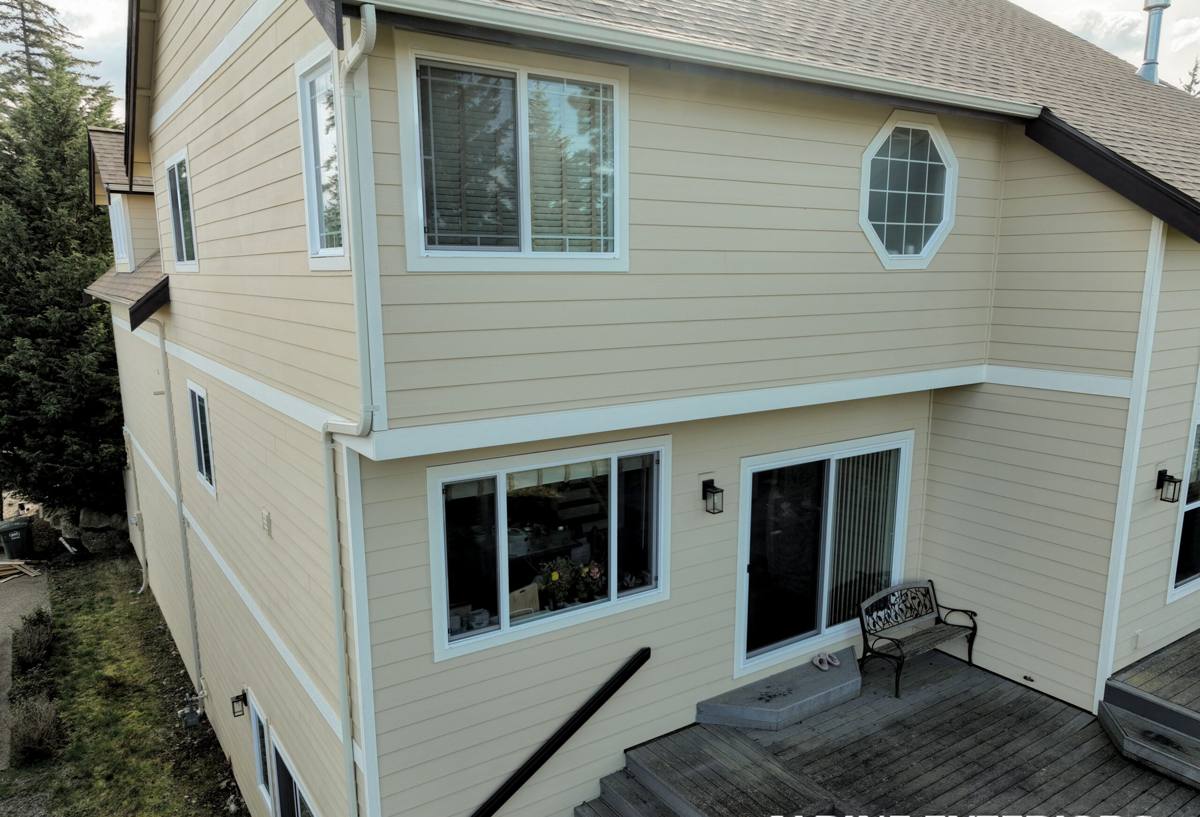
Signs Your Deck Needs Repair
Not every deck problem means a full rebuild. Most of the time, if you catch things early, a repair addresses the actual problem areas and leaves the sound parts of the structure alone. Here's what we look for, and what you should be checking for yourself between visits:
- Boards that feel soft, spongy, or spring back slowly when you step on them
- Visible cracking, splitting, or cupping in the deck boards themselves
- Rust stains bleeding out around screws, bolts, or metal connectors
- Railings or stair rails that wiggle or feel less rigid than they used to
- Gaps opening up where the deck meets the house (the ledger board area)
- Visible daylight or movement at post-to-beam or beam-to-joist connections
- A musty smell coming from underneath the deck, especially after rain
- Fasteners backing out or popping above the surface of the boards
If you're seeing two or more of these, it's worth having someone look underneath the deck, not just at the walking surface. Surface problems are often a symptom of something happening in the framing below.
What a Correct Deck Repair Actually Involves
Start With the Structure, Not the Surface
A repair that only replaces the boards you can see and ignores the framing underneath is a cosmetic fix, not a real repair. Before we touch a single deck board, we get underneath and check the ledger connection, the joists, the beams, and the posts. If the frame is sound, replacing worn boards on top is a legitimate, honest repair. If the frame has rot or failing connections, that has to be addressed first — no amount of new decking on top fixes a weak structure underneath it.
Fasteners and Connectors Matter More Than People Think
This is where a lot of repairs go wrong, and it's not something a homeowner can easily see once the job is finished. In a coastal county, hardware needs to be rated for that exposure — stainless steel or coated fasteners designed to resist corrosion, and structural connectors sized correctly for the load they're carrying. Using standard interior-grade hardware on an exterior deck here is asking for the same rust problem to come back in a couple of years.
Matching Materials the Right Way
When we replace individual boards on an existing wood deck, we match the species and treatment level of the existing lumber so the repair ages consistently with the rest of the deck rather than weathering differently and standing out. On composite decks, matching is more about matching the board profile and, where possible, the color line, since composite colors and textures do vary between manufacturers and product generations.
Wood vs. Composite: What It Means for a Repair
Homeowners often ask whether it makes sense to replace failing wood boards with composite during a repair, or stick with wood. Both are legitimate choices — the right answer depends on your budget, how the existing structure is built, and how much upkeep you want going forward.
| Factor | Pressure-Treated Wood | Composite Decking |
|---|---|---|
| Upfront repair cost | Lower material cost | Higher material cost |
| Moisture behavior | Absorbs and releases moisture; needs sealing | Doesn't absorb water into the board itself |
| UV fading | Grays over time without maintenance | Fades gradually; color is baked into the material |
| Ongoing maintenance | Periodic sealing or staining recommended | Occasional washing; no sealing required |
| Matching an existing deck | Easier to match an all-wood deck | Best when the whole surface is being replaced |
| Typical lifespan of repaired section | Shorter if not maintained | Longer with minimal upkeep |
We're honest with clients about this trade-off: wood costs less today but asks more of you over time in the form of sealing and inspection. Composite costs more upfront but is more forgiving of Florida's humidity and sun once it's installed correctly. Neither is the "wrong" choice — it's about matching the material to what you're willing to maintain.
Permits and Pinellas County Code Considerations
Deck repair work in Pinellas County can require a permit depending on the scope — replacing a handful of surface boards is usually treated differently than replacing structural framing, ledger connections, or stair stringers. Structural repairs, especially anything touching the ledger board attachment to the house or the support posts, typically do need to go through the local permitting process and get inspected. We handle that process as part of the job rather than leaving it for the homeowner to sort out, and we won't cut corners on this just to save time — an unpermitted structural repair can become a real problem when you go to sell the house or file an insurance claim after storm damage.
Our Deck Repair Process
- On-site inspection. We get underneath the deck and check the framing, connections, and fasteners, not just the visible surface.
- Written scope and honest recommendation. We tell you what actually needs repair versus what's cosmetic, and why.
- Permitting, when the scope requires it. Structural repairs get filed and inspected through the county process.
- Repair the framing first. Any compromised joists, beams, posts, or connections are addressed before surface work begins.
- Replace boards and hardware to match. Decking and fasteners are matched to the existing deck and rated for coastal exposure.
- Final walkthrough. We check the repaired areas with you and point out anything worth keeping an eye on going forward.
What Drives the Cost of a Deck Repair
Costs vary quite a bit from one deck to the next, and anyone who quotes a firm number without seeing the deck first is guessing. The factors that move the price most are how much of the framing (versus just the surface boards) needs replacing, whether the ledger connection needs work, the size of the repair area, and whether a permit and inspection are required. A repair limited to a few worn surface boards on an otherwise sound frame is a modest job. A repair involving rotted framing, a failing ledger connection, or corroded structural hardware is a bigger scope, because that's the part of the deck actually holding it up. We always inspect first and give you a real number for your deck, not a generic estimate.
Why Local Experience in Palm Harbor Matters
A crew that works this specific stretch of Pinellas County regularly knows what to check for before they even get under the deck. We know that salt air corrosion shows up faster here than it does further inland, we know what wind-driven rain does to ledger connections that face the prevailing weather, and we know which fastener and hardware specs actually hold up through a Florida summer and a full hurricane season. That's not something you get from a crew that mostly works decks in a different climate and treats every job the same way. Working in and around Palm Harbor day in and day out means we're not guessing at how this area's weather affects a deck — we're seeing it firsthand, repair after repair.
Maintaining Your Deck After the Repair
A good repair buys you years, but a little upkeep buys you more. For wood decks, that means resealing or staining on a regular schedule and not letting standing water sit on the surface. For composite decks, it's mostly about keeping the surface and the gaps between boards clear of debris so water and airflow can do their job underneath. On any deck here, it's worth a quick look underneath once or twice a year, especially after a rough storm season, just to catch anything early — loose fasteners, a soft spot, a rust stain — before it turns into a bigger repair.
If you're dealing with a deck that's showing its age or storm wear in the Palm Harbor area, we're happy to come take a look and give you a straight answer about what it needs. Fill out the form below for a free, no-pressure estimate.