 Largo Siding
 Why Decks Near Indian Rocks Beach Wear Out Faster
Indian Rocks Beach sits close enough to open Gulf water that homes here take on a different kind of weather stress than decks further inland in Pinellas County. The salt air moving off the Gulf settles into every exposed joint, fastener, and board on an outdoor structure, and it never really stops working on the material. Add in Florida's intense year-round UV exposure, wind-driven rain that gets pushed sideways under railings and into ledger boards, and the occasional hurricane-force wind event, and a deck out here is under constant load even when nobody's using it.
None of that means a deck near Indian Rocks Beach is doomed — it means it needs to be built and repaired with those specific stresses in mind. A repair that would hold up fine on a shaded inland deck can fail within a season or two out here if the fasteners, flashing, and wood treatment aren't matched to the environment.
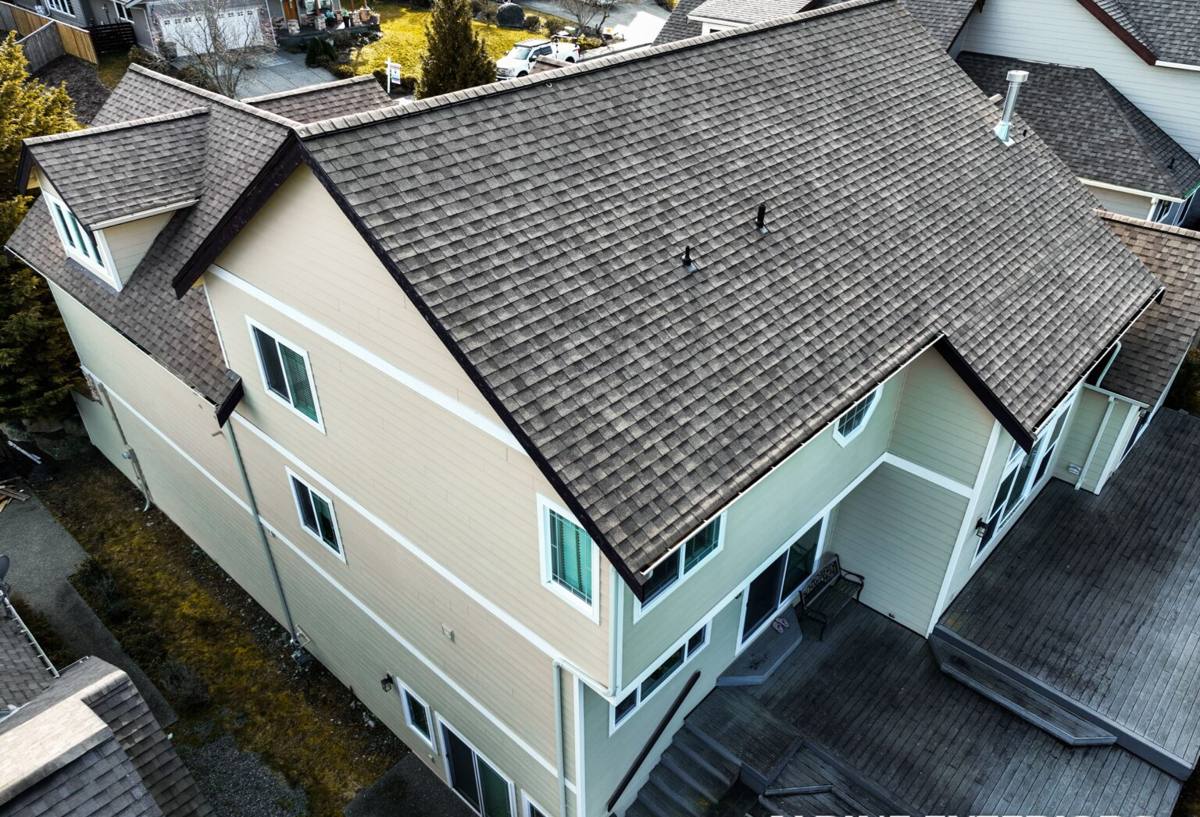
What Salt Air, UV, and Wind-Driven Rain Actually Do to a Deck
Salt Air and Corrosion
Salt in the air accelerates corrosion on any exposed metal — nails, screws, joist hangers, bolts, and railing hardware. Once a fastener starts to rust, it loses grip strength, and a deck board that was solid last year can start to lift or wobble even though the wood underneath still looks fine. Corroded hardware is one of the most common repair issues we see on coastal Largo-area decks, and it's often hidden until a board is pulled up.
UV Exposure
Constant sun breaks down the surface fibers of wood decking and dries out the natural oils that keep it flexible. Over time this shows up as graying, splintering, and small surface cracks that widen into checking. UV also degrades the pigments and stabilizers in composite decking, which is why sun-facing sections of a deck often fade or roughen faster than shaded areas next to the house.
Wind-Driven Rain and Moisture
Rain that comes in sideways during a storm doesn't behave like normal rainfall — it gets pushed up under railings, behind fascia boards, and into the ledger connection where the deck meets the house. That's the single most important joint on the whole structure, and it's also the one most prone to hidden rot if flashing wasn't installed correctly or has failed over time.
Wind Load
Hurricane-force gusts put real lateral and uplift stress on railings, stair stringers, and the ledger connection. A deck that's been through several storm seasons without inspection may have loosened connections that aren't visually obvious but reduce how much load the structure can safely take.
Signs an Indian Rocks Beach Deck Needs Repair
- Boards that flex, bounce, or feel "spongy" underfoot
- Rust streaks running down from screws, nails, or hardware
- Railings or posts that wiggle when pushed
- Gaps opening up where the deck meets the house (ledger board)
- Wood that's gone soft, dark, or crumbly at joints and post bases
- Visible cracking, splintering, or cupping across the decking surface
- Stair stringers that feel loose or uneven
- Fasteners backing out or popping above the board surface
Any one of these on its own might be a minor fix. Several at once, especially near the ledger board or support posts, usually means it's time for a real structural look rather than a surface patch.
Repair vs. Replacement: How We Make the Call
Not every deck problem means starting over, and not every deck problem should be patched. The honest answer depends on where the damage is and how deep it goes.
| Condition Found | Usually Repairable | Usually Needs Replacement |
|---|---|---|
| Surface graying, minor splintering | Yes — sand, treat, or replace individual boards | No |
| A few corroded fasteners | Yes — re-fasten with coated/stainless hardware | No |
| Soft spots at a handful of board ends | Yes — section replacement | No, if framing underneath is sound |
| Rot at the ledger board connection | Sometimes, if caught early | Often — this is a structural safety issue |
| Multiple posts or joists soft/failing | Rarely | Yes — framing failure affects the whole deck |
| Whole-deck sagging or racking | No | Yes |
We'll always tell you plainly which category your deck falls into, and we won't recommend a full rebuild if a targeted repair genuinely solves the problem.
What a Correct Repair Actually Involves
Starting Below the Surface
A repair that only replaces what's visible from the top is a temporary fix. Before we touch decking boards, we check the framing underneath — joists, beams, and posts — since that's what actually carries the load. Boards can look fine while the structure beneath them is compromised, especially near a coastal property.
The Ledger Board Connection
Because the ledger is where the deck attaches to the house, it's the point we inspect most carefully. Proper flashing that sheds water away from the house framing, and lag bolts or through-bolts sized correctly for the load, matter more here than almost anywhere else on the deck. If flashing has failed or was never installed correctly, we address that as part of the repair rather than just replacing the board and leaving the same failure point in place.
Hardware Selection
Given the salt air along this stretch of Pinellas County, we use fasteners and connectors rated for coastal or marine-grade exposure rather than standard interior-grade hardware. It costs a little more up front and saves you from replacing the same connection again in two or three years.
Matching Materials
Whether your deck is pressure-treated wood, composite, or a mix, repairs get matched to the existing material and, where possible, the existing board profile so patched sections don't stand out or create uneven wear patterns going forward.
Wood vs. Composite: What It Means for Repairs
| Factor | Pressure-Treated Wood | Composite Decking |
|---|---|---|
| Salt air resistance | Good with sealing/maintenance | Generally strong, but check for chalking/fading over time |
| UV sensitivity | Grays and dries out without regular sealing | Color can fade; quality varies by product line |
| Repair approach | Board-by-board replacement is straightforward | Section replacement works if matching boards are available |
| Ongoing maintenance | Needs periodic cleaning and sealing | Lower maintenance, but not maintenance-free |
| Hidden moisture risk | Rot is a real risk if sealing lapses | Lower rot risk, but framing underneath is often still wood |
One thing that doesn't change based on decking material: the framing underneath most composite decks is still wood, and that structure needs the same inspection and moisture protection as an all-wood deck. A composite surface can look perfect while the frame beneath it is the actual problem.
How Our Deck Repair Process Works
- On-site inspection. We check the decking surface, framing, ledger connection, posts, footings, and railings — not just the obvious problem area.
- Honest assessment. We tell you what's actually wrong, what caused it, and whether it's a repair or a case for replacement — with our reasoning, not a sales pitch.
- Written scope. You get a clear plan of what will be repaired, what materials and hardware we're using, and why.
- The repair itself. Structural issues get addressed first, then decking, railings, and stairs. We use coastal-appropriate fasteners and flashing throughout.
- Final check. We walk the deck with you before calling the job done, checking that boards are secure, railings are solid, and nothing was missed.
Permits and Local Code Considerations
Structural deck repairs — especially anything touching the ledger board, framing, footings, or railings — can require a permit under Pinellas County or City of Largo building code, depending on the scope of work and your property's jurisdiction. Railing height and guard spacing requirements also matter if railings are being repaired or replaced. We handle the permitting conversation as part of the job so you're not left guessing whether your repair needs sign-off, and so the work holds up under inspection if one's required.
Keeping a Repaired Deck in Good Shape
- Rinse salt residue off the deck surface and hardware every few weeks, especially after storms
- Reseal wood decking on a regular schedule rather than waiting until it looks gray and dry
- Check railings and stair connections by hand a couple of times a year — a wiggle test catches loosening early
- Clear debris and standing water off the deck surface and out of gaps between boards
- Look under the deck occasionally for rust streaks or soft framing, not just at the visible top surface
- Address small issues — a loose board, a popped fastener — before the next storm season rather than after
Why It Matters That We Already Work in Indian Rocks Beach
A deck repair crew that regularly works this specific stretch of coastline knows what to check first, because they've already seen where these decks tend to fail. That means starting the inspection at the ledger board and post bases instead of just the boards you called about, using hardware rated for salt air exposure as standard practice rather than an upsell, and understanding the permitting expectations for Largo and Pinellas County before work starts rather than figuring it out mid-project. It also means a faster, more accurate first visit, since we're not learning the coastal-exposure playbook on your project.
If your deck near Indian Rocks Beach has loose boards, rust stains, soft spots, or just doesn't feel as solid as it used to, we're happy to come take a look. We'll give you a straight assessment of what's going on and a free, no-pressure estimate for fixing it — use the form below to get started.