 Largo Siding
 Madeira Beach Windows Live a Harder Life Than Most
A window a few miles inland deals with sun and the occasional storm. A window in Madeira Beach deals with all of that plus salt-laden air moving off the Gulf almost every day of the year. That combination — hurricane-force wind loads, constant UV, wind-driven rain, and salt corrosion — is why we treat window work here differently than we would for a standard replacement job elsewhere in Pinellas County. This page covers what custom window installation actually means for homes in and around Madeira Beach, and what a correctly done job looks like.
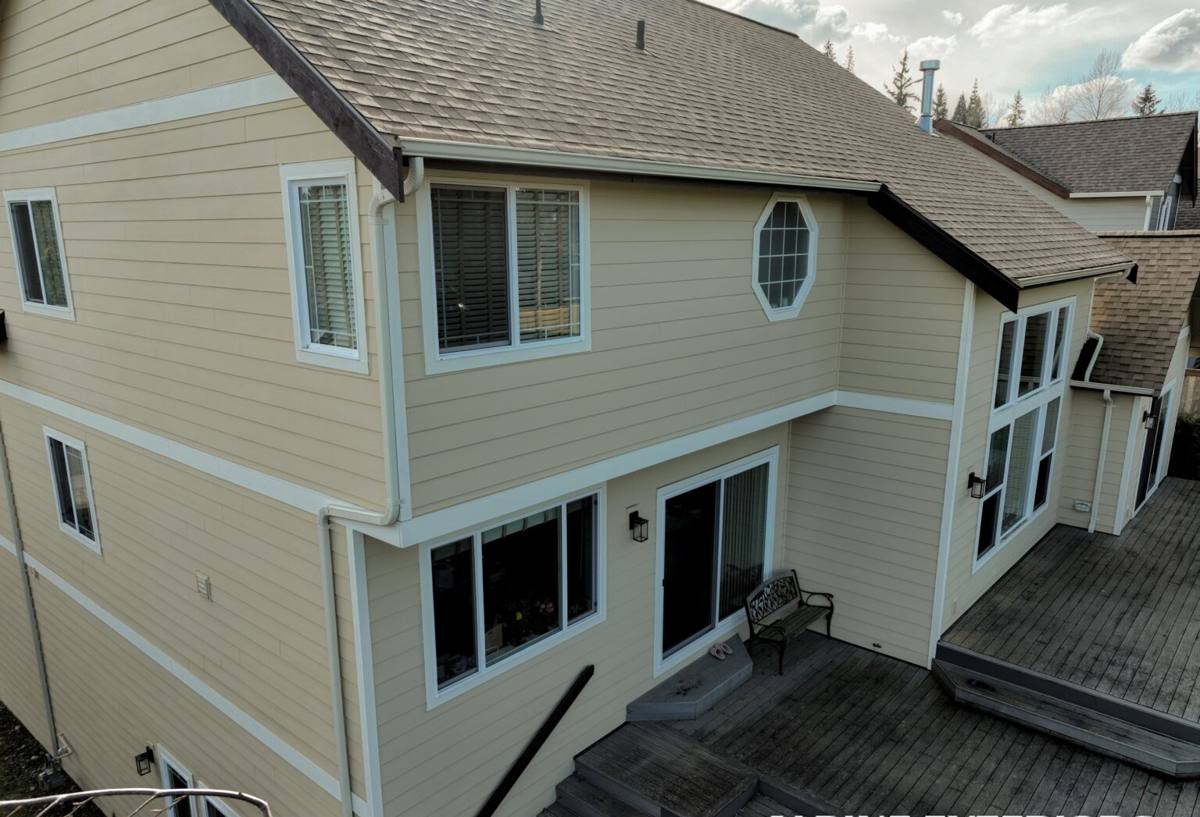
What "Custom" Really Means for These Homes
"Custom" doesn't just mean a nicer window. On barrier island and near-coastal properties, it usually means the window has to be built or configured to fit conditions the factory standard sizes weren't designed around:
- Older homes with openings that don't match today's standard window sizes, requiring exact measurement and often a made-to-order unit rather than an off-the-shelf size
- Elevated or stilt-style construction where window placement and structural bracing differ from a typical slab-built house
- Homes that have already been re-stuccoed, re-sided, or had openings altered over the years, so the rough opening isn't square or plumb anymore
- Larger picture windows or unusual shapes chosen for a view, which need extra attention to structural support and impact rating
Getting the "custom" part wrong — forcing a stock size into a non-stock opening, or shimming around a bad rough opening instead of correcting it — is where most of the leaks and failures we get called out to fix actually started.
Why This Matters More Near the Water
A slightly imperfect fit inland might just be a minor draft. On a home exposed to direct Gulf wind and wind-driven rain, the same gap becomes a path for water intrusion during every heavy squall, not just during a named storm. Precision on the front end saves a lot of grief later.
Wind and Impact Requirements in This Part of Pinellas County
Homes in Madeira Beach and along the surrounding coastal areas of Pinellas County fall under Florida's high-velocity wind provisions, which means window replacements aren't just a style choice — they have to meet specific wind load and, in many cases, impact resistance requirements tied to the property's wind zone. What's required can vary based on the home's exact location, elevation, and how close it sits to the coastline, which is one reason we always confirm the specific requirement for the address rather than assuming.
| Approach | How It Works | Trade-offs |
|---|---|---|
| Impact-rated glass | Laminated glass bonded to resist penetration from wind-borne debris; stays in the frame if cracked | Higher upfront cost; no shutters needed; usually the lowest long-term maintenance option |
| Standard glass with approved shutters | Non-impact window paired with code-compliant shutters or panels deployed before a storm | Lower window cost, but requires someone to install shutters every time, and gaps around panels can still let wind-driven rain in |
| Mixed approach | Impact glass on the most exposed, hard-to-shutter elevations; standard glass with shutters elsewhere | Balances cost, but means keeping shutter hardware in good repair on part of the house |
For most full-time Madeira Beach residents, we find impact-rated glass pays for itself in convenience alone — there's no scrambling for shutters when a storm turns quickly, and the laminated glass also cuts down noise and UV transmission on ordinary sunny days, which matters given how much direct sun this stretch of coast gets year-round.
Frame Material: What Actually Holds Up to Salt Air
Glass gets most of the attention, but the frame is what fails first in a salt environment if the wrong material is chosen or it's not detailed correctly. We evaluate frame choice specifically for salt exposure, not just for looks:
| Frame Material | Salt Air Performance | Maintenance Needed |
|---|---|---|
| Vinyl | Does not corrode; can become brittle after many years of intense UV exposure if the compound is lower grade | Occasional cleaning; check seals and weep holes |
| Aluminum (properly coated) | Strong and impact-friendly, but bare or poorly finished aluminum will pit and corrode near the water | Requires a marine-grade finish and periodic inspection of coating |
| Fiberglass/composite | Very stable in heat and salt air, minimal expansion/contraction | Low; occasional cleaning |
We steer homeowners away from bargain-grade aluminum finishes on Gulf-facing walls — not because aluminum itself is a bad material, but because an inadequately coated finish is one of the most common corrosion complaints we see on older coastal replacements. The right coating and correct installation matter more than the base material.
Our Process for a Custom Window Job in Madeira Beach
1. On-Site Assessment
We measure every opening individually — we don't assume uniformity, especially on older homes where openings have shifted or been altered over time. We also check the condition of the surrounding wall, sill, and any existing flashing.
2. Confirming Wind Zone and Code Requirements
Before ordering anything, we confirm what the property's specific wind zone requires so the windows ordered are actually compliant, not just "close enough."
3. Removal and Opening Prep
Old windows come out carefully to avoid unnecessary damage to stucco or siding. Any rot, corrosion, or out-of-square framing gets corrected before a new window goes in — installing a good window into a bad opening just relocates the problem.
4. Flashing and Moisture Barrier Detail
This is the step most responsible for long-term performance in a wind-driven rain environment. Proper flashing tape and sealant sequencing around the opening is what keeps water from tracking behind the window frame during a driving coastal rain, rather than relying on caulk alone to do the job.
5. Setting, Fastening, and Sealing
Windows are shimmed level and plumb, fastened per the manufacturer's wind-load specifications, then sealed both inside and out with the correct sealant for the frame material.
6. Final Check and Cleanup
We check operation, confirm seals are complete, and make sure the job is left clean.
Problems We Commonly Find on Existing Madeira Beach Windows
When we're called out to look at an older installation — whether it's a leak, a stuck window, or visible frame damage — the root cause is almost always one of these:
- Sealant that was never properly tooled into the joint, so it looks fine but never actually bonded
- Missing or incomplete flashing behind the frame, invisible until water starts showing up on an interior wall
- Fasteners or hardware that weren't rated for the coastal environment and have corroded
- A window that was undersized for the wind zone at the time it was installed, meaning it doesn't meet current requirements
- Weep holes blocked by paint, caulk, or debris, trapping moisture inside the frame
Most of these aren't visible from the outside until they've caused damage, which is why we inspect the full assembly, not just the glass, when we evaluate a home.
Keeping Custom Windows Performing Long-Term
Coastal exposure doesn't stop working on a window once it's installed. A simple seasonal routine keeps small issues from becoming expensive ones:
- Rinse frames and glass periodically to remove salt film, especially after storms or dry windy stretches
- Check weep holes at the base of the frame and clear any debris so water can drain out as designed
- Inspect exterior sealant lines once a year for cracking or separation and have gaps re-sealed before rainy season
- Test locks and hardware for stiffness or corrosion and address it early rather than forcing a mechanism
- Look for chalking, discoloration, or bubbling paint near frames, which can signal moisture getting in behind the trim
What Drives Cost on a Custom Window Project
Every home is different, so we always quote based on an actual on-site assessment, but these are the main factors that move price up or down:
| Factor | Why It Affects Cost |
|---|---|
| Impact rating | Impact-rated laminated glass costs more than standard glass but removes the need for separate shutter systems |
| Non-standard sizing | Made-to-order dimensions cost more than stock sizes but are often required on older or altered openings |
| Frame material | Vinyl, coated aluminum, and fiberglass carry different price points and different long-term maintenance costs |
| Number and location of openings | Ground-floor, Gulf-facing, and hard-to-access openings can add labor time |
| Condition of existing opening | Rot repair or out-of-square correction adds time before the new window can even be set |
| Disposal of old units | Hauling and disposing of old windows and any damaged trim is part of a complete job |
Why Local Experience in This Area Matters
A crew that mainly works inland jobs isn't necessarily used to detailing for salt air, confirming the correct wind zone rating, or spotting the early signs of coastal corrosion. Working regularly in Madeira Beach and the surrounding Largo area means we already know what tends to go wrong on this stretch of coast, what inspectors here are looking for, and which shortcuts cause callbacks two or three years down the road. That familiarity is what keeps a custom window job from turning into a recurring repair.
If you're considering custom windows for a home in Madeira Beach or anywhere nearby, we're happy to come take a look and give you a straightforward, no-pressure estimate — just fill out the form below.