 Largo Siding
 Building Decks in Oldsmar the Right Way
Oldsmar sits at the edge of Old Tampa Bay, and that location shapes everything about how a deck should be built here. Homes in this part of Pinellas County deal with a specific combination of stresses that inland decks never see: hurricane-force wind gusts during storm season, intense year-round UV exposure, wind-driven rain that finds its way into every unsealed joint, and a steady dose of salt air that accelerates corrosion on anything metal. A deck that would hold up fine in Ohio or even inland Florida can start failing within a few years out here if it wasn't designed with these conditions in mind.
We build custom decks for homeowners throughout the Largo and Oldsmar area, and we treat every one of these factors as a design input, not an afterthought. That means the framing, the fasteners, the decking material, and the finishing details all get chosen with this specific climate in mind.
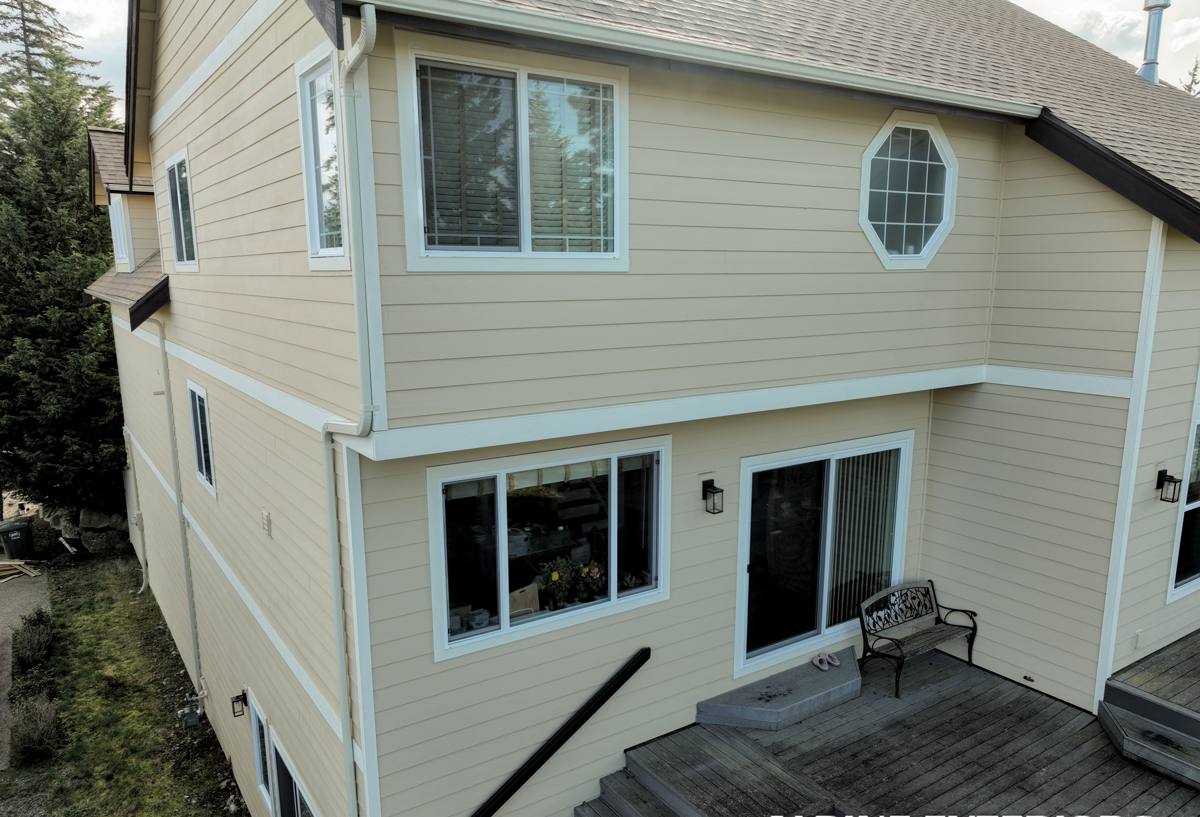
What Oldsmar Homes Actually Need From a Deck
Most deck problems we get called out to inspect or repair trace back to a handful of root causes, and nearly all of them are climate-related:
- Fasteners that weren't rated for coastal exposure, leading to rust streaks, staining, and eventually loose or failed connections
- Ledger boards attached to the house without proper flashing, allowing wind-driven rain to work behind the siding and rot the rim joist
- Decking installed without enough gap or airflow, trapping moisture and accelerating rot or composite board swelling
- Railing posts and connections that weren't engineered for real wind loads, which becomes a safety issue in a strong gust or storm
- Footings that weren't set to the correct depth for our sandy coastal soils, leading to movement or settling over time
None of these are exotic problems. They're the predictable result of building a deck the same way you'd build one somewhere without hurricane wind, salt exposure, and heavy seasonal rain. A correctly built Oldsmar deck accounts for all of them from the first footing dug.
Sun and UV Exposure
Florida sun is relentless on exposed decking. UV breaks down the surface fibers of wood decking and can fade or chalk lower-grade composite boards over time. We factor UV exposure into which materials we recommend and how we finish exposed wood, so the deck still looks good five and ten years in rather than just at handoff.
Wind-Driven Rain and Salt Air
Being close to the bay means salt-laden air is a daily fact of life, not just a hurricane-season concern. Combined with wind-driven rain that gets pushed sideways into joints and connections, this is a tough environment for standard hardware. It's also why flashing details at the house connection matter as much as the decking itself — most of the water damage we see starts where the deck meets the home, not out in the field of the deck.
Choosing the Right Decking Material
There's no single "best" decking material — the right choice depends on your budget, how much upkeep you want to do, and how close your property sits to open water. Here's how the common options compare for Oldsmar conditions specifically:
| Material | Upfront Cost | Maintenance | Salt/UV Performance | Typical Lifespan |
|---|---|---|---|---|
| Pressure-treated wood | Lowest | Annual cleaning and re-sealing/staining | Good if maintained; fasteners must be coastal-rated | 10-15 years with upkeep |
| Tropical hardwood | High | Periodic oiling to prevent graying | Naturally dense and rot-resistant | 20-25+ years |
| Composite decking | Mid to high | Low — occasional washing | Very good; capped boards resist fading and moisture | 25-30 years |
| PVC/cellular decking | Highest | Lowest — no sealing ever needed | Excellent; fully immune to rot and salt-driven decay | 25-30+ years |
For homes closer to the water where salt exposure is heaviest, we lean toward steering clients away from unsealed softwood decking as the sole surface material — not because wood is a bad product, but because the maintenance burden to keep it performing well in this environment is real and easy to underestimate. If budget calls for wood, we're upfront about the sealing schedule it needs to actually last.
Structural Details That Matter Here
Wind Load and Connections
Florida's building code exists largely because of storms like the ones that pass through this part of the Gulf Coast. Railing posts, guard connections, and joist hangers all need to be rated and installed to resist real uplift and lateral forces, not just support foot traffic. We size and connect framing to the wind loads required for this area, not a generic national minimum.
Fasteners and Hardware
In a salt-air environment, the hardware holding your deck together matters as much as the boards on top. We use stainless steel or coated fasteners rated for coastal and treated-lumber contact, because standard zinc-plated screws and nails corrode faster here and can stain decking or fail years before the structure otherwise would.
Footings for Coastal Soil
Soil composition around Oldsmar and the surrounding bay-adjacent areas can vary from sandy to fill soil depending on the lot, and footing depth needs to reflect what's actually under the yard, not a one-size assumption. We confirm frost-free, code-compliant footing depths and spacing before pouring, so the deck doesn't shift or heave over time.
Ledger Attachment and Flashing
Where the deck ties into the house is the single most important structural and waterproofing detail on the whole project. Proper ledger flashing — installed so it sheds water out and away from the rim joist — is non-negotiable in a climate with this much wind-driven rain.
Permits and Local Code
Deck construction in Pinellas County, including Oldsmar, requires a building permit in nearly all cases — this isn't a project to build quietly and hope no one notices. Permitted work gets inspected at the footing, framing, and final stages, which protects you as the homeowner by confirming the structure actually meets Florida's wind and structural code. It also matters at resale: unpermitted decks are a common flag in home inspections and can complicate a sale or insurance claim down the road. We handle the permitting and inspection process as part of the job, so you're not left navigating city and county requirements on your own.
Our Process, Start to Finish
- On-site consultation: We walk the property, talk through how you'll use the space, and assess sun exposure, drainage, and proximity to open water or salt air.
- Design and material selection: We recommend decking, railing, and hardware suited to your budget and this specific climate, and lay out the structure to match your home and yard.
- Permitting: We prepare and submit the permit package and schedule the required inspections.
- Footings and framing: Footings are set to proper depth, and framing is connected with coastal-rated hardware sized for local wind load.
- Decking, railing, and finish work: Boards and railings are installed with correct spacing for drainage and airflow, and any wood surfaces are sealed before handoff.
- Final walkthrough: We review the finished deck with you, including what maintenance it needs going forward.
Keeping Your Deck Performing Long-Term
Even a well-built deck needs some basic upkeep in this climate. A short seasonal routine goes a long way toward protecting the investment:
- Rinse the deck surface periodically to clear salt residue, pollen, and debris before it builds up in the grain or seams
- Inspect fasteners and railing connections once or twice a year for corrosion or loosening, especially after storm season
- Re-seal or re-stain wood decking on the schedule the product calls for — don't wait until it visibly grays or cracks
- Check that drainage gaps between boards stay clear so water isn't pooling or trapped underneath
- Look at the ledger and flashing area at the house connection for any signs of staining or soft wood, which can indicate a leak starting
Why a Local Crew Makes a Difference
Building decks in Oldsmar and the greater Largo area day in and day out means we're not guessing at what this climate does to a structure — we've seen which details hold up and which ones fail first. That includes knowing which fastener grades actually last near the bay, how Pinellas County's permitting process works in practice, and how to size framing and connections for the wind this area sees. A crew based elsewhere may build a technically sound deck by their home region's standards and still miss the specific things that matter here.
If you're considering a custom deck in Oldsmar, we'd be glad to walk your property, talk through material and design options suited to your budget, and give you a straightforward, no-pressure estimate using the form below.