 Largo Siding
 Siding damage in the Clearwater and Largo area rarely stays small. A cracked panel, a soft spot near a window, or a piece of trim that's pulled loose looks minor from the curb, but Pinellas County's climate turns small problems into big ones fast. Between hurricane-season wind loads, near-constant UV exposure, wind-driven rain, and salt air rolling in off the Gulf and Tampa Bay, siding here works harder than it does almost anywhere else in the country. Repairing it correctly the first time matters more here than in most markets.
Why Clearwater-Area Siding Takes More Damage Than Inland Homes
Homes closer to the water deal with a combination of stresses that inland siding rarely sees at the same intensity. It's not just one factor — it's all of them, working on the same wall, year after year.
Wind and Storm Load
Even outside a direct hurricane hit, Clearwater and Largo see regular tropical storm-force wind events. Wind doesn't just push on siding — it gets underneath loose or improperly fastened panels and pries them off, especially at corners and edges where uplift pressure is highest.
UV and Heat
Central Florida sun is intense and nearly year-round. UV breaks down paint film, causes fading, and dries out caulk and sealants far faster than in northern climates. Siding that isn't UV-stable chalks, fades unevenly, or becomes brittle.
Wind-Driven Rain
Rain that comes in sideways during a storm finds every gap in flashing, trim, and panel laps that vertical rain would never reach. Once water gets behind siding, it doesn't dry out quickly in Florida's humidity — and that's when rot and mold start.
Salt Air
Proximity to the Gulf means airborne salt settles on exterior surfaces, accelerates corrosion on fasteners and metal trim, and can degrade certain siding finishes over time. This is a real factor for Clearwater-area homes that homeowners further inland don't have to think about.
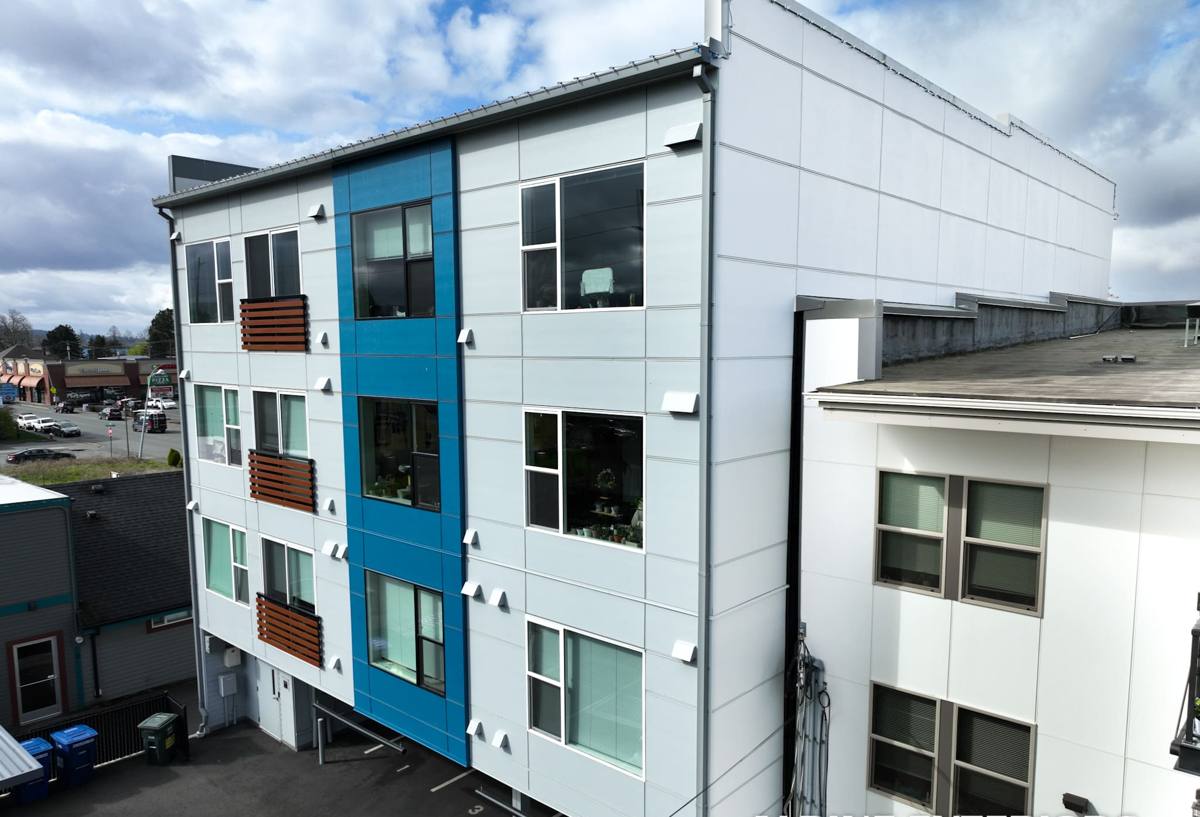
Signs Your Siding Needs Repair Now, Not Later
Most siding failures in this area give warning signs well before a full section fails. Catching them early is the difference between a repair and a much larger project.
- Visible cracks, splits, or holes in panels, especially after a storm
- Soft, spongy, or crumbling areas when pressed by hand
- Panels that have separated, buckled, or pulled away from the wall
- Peeling, bubbling, or heavily chalking paint on painted siding
- Dark streaking, staining, or a musty smell near seams and corners
- Visible daylight or gaps at trim, window, and door transitions
- Rust streaks around fasteners or metal flashing
- Warping or wavy panel lines, particularly on sun-exposed elevations
Any one of these on its own may be a simple fix. Several appearing together, or damage concentrated on the same wall, usually points to a moisture or installation issue underneath — which is where diagnosis matters more than the patch itself.
What a Correct Siding Repair Actually Involves
A repair that only addresses what's visible from the ground often fails again within a season or two. Doing it right means treating the damage as a symptom and checking what caused it.
Diagnosing the Cause, Not Just the Damage
Before replacing anything, a correct repair starts by figuring out why that section failed. Was it a fastening error, a flashing gap, wind uplift, or trapped moisture from a failed seal? Replacing a panel without fixing the underlying cause just means paying for the same repair again after the next storm season.
Checking What's Behind the Siding
Any repair involving moisture intrusion, soft panels, or staining should include a look at the water-resistive barrier and sheathing underneath. If water has been getting in for a while, the siding might not be the only thing that needs attention — and that needs to be part of an honest estimate, not a surprise later.
Matching Materials and Finish
Fiber cement siding varies by manufacturer, plank profile, and factory finish. A repair patch that doesn't match reveal, texture, or color ages visibly differently than the surrounding panels. Getting a clean match — or knowing when a match isn't realistic — is part of doing the job right.
Sealing and Flashing Details
In a wind-driven rain climate, the flashing, caulking, and trim details around a repair matter as much as the panel itself. A repair that looks good but skips proper flashing at the top and sides of the new section is a repeat repair waiting to happen.
Repair or Replace? What Actually Drives That Decision
Not every damaged section needs full replacement, but not every repair is worth doing either. The right call depends on a few honest factors.
| Factor | Leans Toward Repair | Leans Toward Replacement |
|---|---|---|
| Extent of damage | Isolated to one or two panels/areas | Spread across multiple walls or elevations |
| Cause | Impact damage, isolated fastener or flashing failure | Widespread moisture intrusion or systemic installation flaws |
| Age of existing siding | Relatively new, still within useful service life | Nearing or past expected lifespan for its material |
| Material match | Matching panels/profile still available | Discontinued line, poor color or texture match |
| Underlying sheathing | Dry, sound substrate | Rot, mold, or repeated moisture damage found underneath |
We'll always tell you honestly which side of that table your home falls on. If a targeted repair genuinely solves the problem, that's what we recommend — a full replacement isn't the answer for every damaged section.
Repairing Non-Hardie Siding: What Homeowners Should Know
A lot of the repair calls we get in the Clearwater and Largo area involve vinyl, LP SmartSide, or older wood-based siding that's failed under exactly the stresses described above. We're upfront about this: our crews install and repair James Hardie fiber cement exclusively, because it's the product we trust to hold up to this climate long-term. If your home has a different siding material and the damage is limited, we can often still assess it honestly and tell you whether a patch is realistic.
But there's a common pattern worth knowing about before you spend money on a repair: many non-fiber-cement products become harder to source in matching color and profile within a few years of installation, especially discontinued vinyl colors or older LP panel runs. When that happens, a "repair" turns into a mismatched patch that stands out rather than blends in. In those cases, we'll tell you plainly if a small full-elevation or full-home replacement to James Hardie makes more long-term sense than chasing a patch that won't look right or hold up the same way.
Why James Hardie Is What We Repair Toward
When a repair does call for new material, we use James Hardie fiber cement — non-combustible, engineered for high-heat and high-moisture climates, and factory-finished with ColorPlus technology that resists the fading and chalking that plain paint suffers under year-round Florida UV. Hardie's HZ5 product line in particular is engineered for climates with higher moisture exposure, which matters directly for homes dealing with Gulf humidity and wind-driven rain. It also carries a strong transferable warranty when installed to manufacturer spec, which protects the investment for whoever owns the home next.
Our Process for Clearwater and Largo Siding Repair Calls
We keep the repair process straightforward and honest from the first visit to the last panel.
- On-site inspection: We look at the visible damage and check for signs of moisture behind it, not just what's on the surface.
- Honest diagnosis: We explain what caused the damage and whether it's isolated or a sign of a larger issue.
- Clear estimate: You get a written scope and price before any work starts — no surprise add-ons once we've opened up a wall.
- Repair or replace, done right: Matching panels where possible, proper flashing and sealing at every repair edge, and a finished result that blends with the rest of the home.
- Final walkthrough: We go over the completed work with you so you know exactly what was done and why.
Why Hiring a Crew That Already Works in This Area Matters
Siding repair in Clearwater and Largo isn't the same job as siding repair in a dry inland climate. A crew that primarily works other regions may not think to check for salt-accelerated fastener corrosion, may not flash a repair for wind-driven rain the way local storms demand, or may not know which Hardie product lines and finishes actually perform in this specific environment. Working Pinellas County regularly means we've seen how siding fails here specifically — after storm seasons, after summer humidity, after years of coastal sun — and we build every repair to hold up against those exact conditions, not generic ones.
Keeping Repaired Siding Sound After We Leave
A correct repair should be close to maintenance-free, but a few habits extend its life in this climate:
- Rinse siding periodically to remove salt residue and airborne debris
- Keep sprinklers and irrigation from spraying directly onto siding
- Trim vegetation back so it isn't holding moisture against panels
- Walk the exterior after major storms and note any new damage early
- Recaulk trim joints as recommended rather than waiting for visible gaps
If you're dealing with damaged, aging, or storm-affected siding on a Clearwater or Largo-area home, we're happy to take a look and give you an honest read on what it actually needs. Reach out for a free, no-pressure estimate using the form below.