 Largo Siding
 Belleair's Roofs Take a Different Kind of Beating
Belleair sits close to the water, which means every roof here deals with a combination of stresses that inland homes simply don't see as often. Salt-laden air corrodes fasteners, flashing, and drip edges faster than it does a few miles inland. Afternoon thunderstorms roll in fast off the Gulf and dump heavy, wind-driven rain that finds any gap in a roof system's defenses. And when a tropical system or a strong frontal line pushes through Pinellas County, the wind loads on a coastal roof are higher than what the same storm delivers just a few miles east.
Add in year-round, nearly direct-overhead UV exposure, and you get a roof that's aging on multiple fronts at once: sun breaking down shingle asphalt and tile coatings, salt attacking metal components, and wind testing every nail and seal. A roof that looks fine from the driveway can already have compromised spots that only show themselves during the next hard blow.
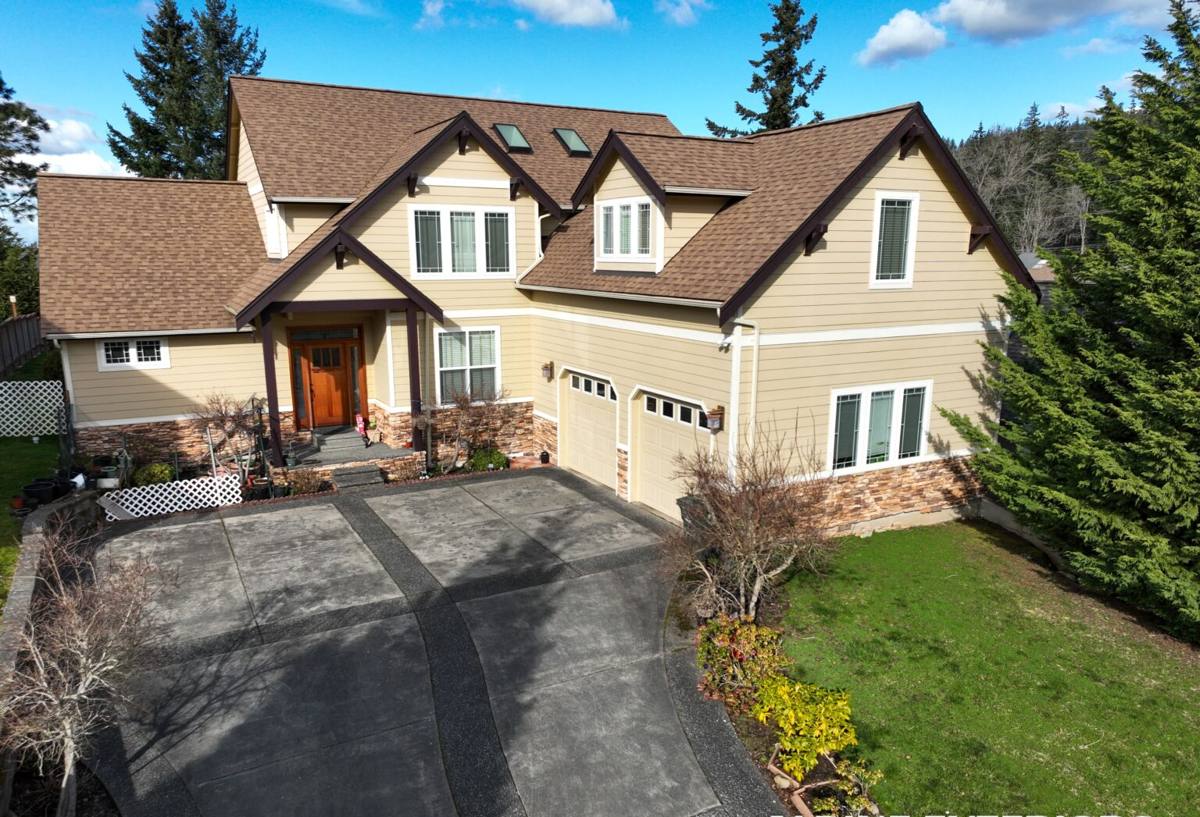
What Actually Counts as Storm Damage
Storm damage isn't always a hole in the roof or a tarp-worthy emergency. Most of the storm damage we find on Belleair-area homes is quieter than that, and it's the quiet kind that causes the most expensive problems if it sits unaddressed through a few more storm cycles.
Visible Damage
This is what most homeowners call us about: shingles that are visibly lifted, torn, or missing after a windstorm; cracked or broken roof tiles from wind-thrown debris; dented or creased metal panels; and flashing that's been pried loose around a chimney, vent, or wall intersection.
Hidden Damage
This is the damage that matters just as much but doesn't announce itself. Wind can lift the edge of a shingle just enough to break its seal without tearing it off — from the ground it looks untouched, but it no longer sheds wind-driven rain the way it should. Granule loss from hail or heavy wind-blown debris thins out a shingle's UV protection years before it should wear down. Tile roofs can suffer cracked underlayment beneath tiles that themselves look intact. Soffit and fascia can take on moisture that works its way toward the roof deck from below rather than above. None of this shows up as a leak on day one — it shows up as a stain on a ceiling months later, after the next several storms have had a chance to work on the weak spot.
Signs It's Time for an Inspection
After any named storm, strong severe thunderstorm, or hailstorm that passes through the Largo and Belleair area, it's worth doing a quick check — from the ground with binoculars, not by climbing up yourself. Look for:
- Shingle granules collecting in gutters or at downspout outlets
- Any shingle edges that look lifted, curled, or out of alignment with their neighbors
- Visible cracks, chips, or slipped tiles on a tile roof
- Bent, creased, or missing flashing around chimneys, skylights, and roof-to-wall junctions
- Dark streaks, soft spots, or sagging on soffits and fascia boards
- New or worsening water stains on interior ceilings, especially near exterior walls
- Debris — branches, palm fronds, loose material from neighboring roofs — still lodged on the roof plane
Any one of these is a reason to get a roof looked at properly, not necessarily a reason to panic. Most storm damage, caught early, is a repair — not a replacement.
What a Correct Storm Repair Actually Involves
A storm repair done right is more than swapping out the shingles or tiles that are obviously broken. It starts with pulling back the surrounding material to check the underlayment and decking underneath — because wind and rain rarely damage just the one shingle or tile you can see from below. If the underlayment has been compromised, replacing the visible material without addressing what's underneath just seals a future leak back up under new-looking roofing.
Matching What's Already There
On a repair, matching matters. A patch of noticeably different shingle color or a mismatched tile profile isn't just a cosmetic miss — it can also affect how well the repaired section sheds wind and rain compared to the surrounding roof. We take the time to match manufacturer, style, and where possible, weathered coloration, rather than using whatever is easiest to source.
Code and Fastening Requirements
Florida's building code sets specific requirements for fastening patterns, nail counts, and flashing details in wind-prone areas like Pinellas County — requirements that exist specifically because of storms like the ones that just did the damage. A repair that doesn't meet current fastening and flashing standards is a repair that's set up to fail again in the next storm, even if it looks acceptable on installation day. Any repair that touches a meaningful portion of roof area should be permitted through the appropriate local building department, not treated as informal patch work.
Repair or Replace? What Actually Drives That Decision
Not every storm-damaged roof needs a full replacement, and not every roof that "just needs a few shingles" is actually a good repair candidate. The right call depends on a handful of factors working together, not any single one of them.
| Factor | Points Toward Repair | Points Toward Replacement |
|---|---|---|
| Age of existing roof | Roof is well within its expected service life | Roof is already near or past the age where the material's protection is degrading |
| Extent of damage | Damage limited to one or two isolated areas | Damage is spread across multiple roof planes |
| Underlayment condition | Underlayment beneath the damage is intact | Underlayment is torn, brittle, or showing wider moisture intrusion |
| Material availability | Matching shingles or tiles are still available | Product is discontinued or badly weather-mismatched |
| Insurance scope | Adjuster scope supports a repair-level claim | Adjuster scope or structural findings support full replacement |
We'll walk you through where your roof lands on each of these before recommending one path over the other — the goal is the right decision for your roof and budget, not the bigger job.
Our Process, Start to Finish
Every storm repair follows the same sequence, whether it's a single shingle or a full roof plane:
- Inspection and documentation. We assess the full roof, not just the area you called about, and photograph what we find — both for your records and for any insurance claim.
- Written scope and estimate. You get a clear description of what's damaged, what needs to be done, and what it costs, before any work starts.
- Permitting where required. We pull the appropriate permit for repairs that meet the local threshold, rather than treating it as optional.
- The repair itself. Matching materials, correct fastening, proper flashing and underlayment work — done to current code, not just to "look done."
- Cleanup and final check. Job site debris, dropped nails, and displaced granules get cleared, and we do a final walkthrough with you.
Working With Your Insurance Claim
We're not public adjusters, and we won't pretend to be — but we've been through enough storm claims in this area to know what helps and what slows a claim down. Clear photo documentation from before repairs start, a detailed written scope, and a contractor who shows up for the adjuster meeting all make a real difference in how smoothly a claim moves. We provide that documentation as a standard part of the job, and we're glad to walk your adjuster through what we found. What we won't do is inflate a scope or describe damage that isn't there — that approach causes more claim denials and disputes than it prevents.
Why Working With a Crew That Already Knows Belleair Matters
A roofing crew that regularly works the barrier-adjacent and near-coastal parts of Pinellas County has already seen what salt exposure does to fasteners over five years versus fifteen, what wind uplift patterns look like on the roof profiles common in this area, and how quickly a small repair can turn into an interior problem if it's not handled before the next system moves through. That familiarity means less time spent figuring out what's normal wear versus what's storm-caused, and a faster, more accurate response when a storm has just come through and you need someone who can prioritize correctly, not guess.
Protecting Your Roof Between Storms
Storm repair is only half the picture — the other half is reducing how much damage the next storm causes in the first place. A few habits go a long way in this climate:
- Have the roof inspected after any severe storm, even if nothing looks obviously wrong
- Keep gutters and downspouts clear so wind-driven rain has somewhere to go
- Trim back tree limbs that could strike the roof in high wind
- Address small issues — a lifted shingle edge, a hairline tile crack — before the next storm season, not after
- Keep a simple record of roof age, past repairs, and any prior insurance claims for future reference
If a recent storm has left you wondering whether your roof took damage, or you just want a second set of eyes before the next one comes through, we're glad to take a look. Fill out the form below for a free, no-pressure estimate — we'll tell you honestly what we find, repair or replacement, and let you decide from there.