 Largo Siding
 Asphalt Shingle Roofing Built for Belleair Bluffs
Belleair Bluffs sits close enough to the water that every roof in the area deals with the same combination of stressors: salt-laden air, near-constant UV exposure, and the wind and rain that come with living on the Pinellas County coast. Asphalt shingles remain the most common roofing material here for good reason — done correctly, they hold up well to Florida conditions, they're repairable in sections rather than requiring a full tear-off after storm damage, and the cost-to-lifespan ratio is hard to beat. The key phrase is "done correctly." A shingle roof installed to minimum code in a mild climate is not the same job as one installed to hold up in a coastal wind zone, and the difference shows up the first time a named storm rolls through.
This page covers what a shingle roof actually needs to perform in Belleair Bluffs, what our installation process looks like, and what to ask before you hire anyone to work on your roof.
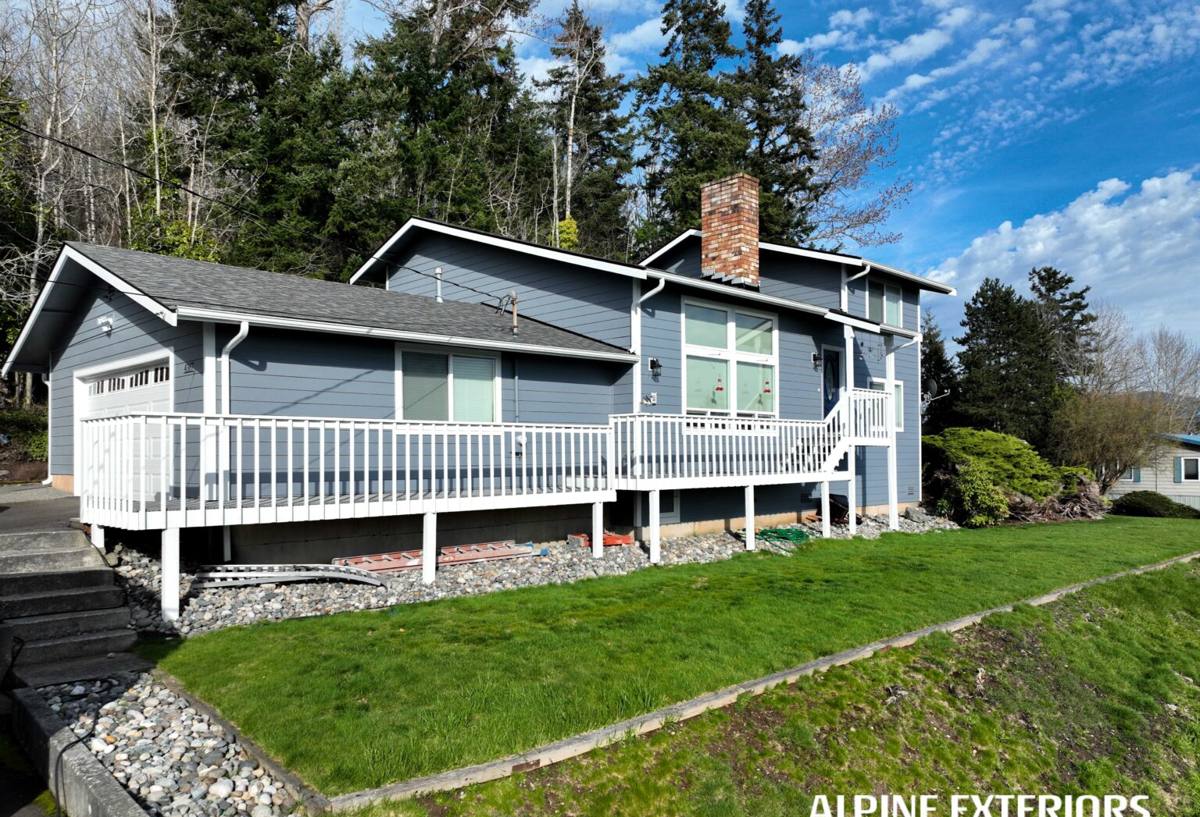
What This Climate Actually Does to a Roof
Wind
Pinellas County sits in a high-wind zone, and Belleair Bluffs' proximity to the coast means gusts arrive with less to slow them down than they'd encounter further inland. Shingles fail in wind for one of two reasons: the fastening pattern was wrong, or the sealant strips never bonded properly because the shingles were installed in cold weather, over dust, or without enough nails. A properly fastened shingle roof is rated to handle sustained hurricane-force wind; a poorly fastened one can lose shingles in an ordinary summer thunderstorm.
UV and heat
Florida sun breaks down asphalt shingles from the top down. UV exposure dries out the asphalt, causes granule loss, and accelerates aging faster than almost anywhere else in the country. A shingle rated for a 25- or 30-year lifespan in a northern climate will not last that long on a west- or south-facing slope in Largo without adequate attic ventilation to pull heat out from underneath.
Wind-driven rain
It's not straight-down rain that causes leaks here — it's rain being pushed sideways and upward under shingle edges, around vents, and at valleys. This is a flashing and underlayment problem more than a shingle problem, which is why the details under the shingles matter as much as the shingles themselves.
Salt air
Salt exposure accelerates corrosion on exposed metal — nail heads, flashing, vent stacks, and drip edge. Roofs closer to the water need corrosion-resistant fasteners and flashing metals, or the metal components fail well before the shingles do.
What a Correct Shingle Roof Installation Involves
A roof is a system, not a single layer of material. Each of these layers has a job, and skipping or shortcutting any one of them is where most premature failures start:
- Deck inspection and repair — rotted or delaminated decking gets replaced before anything goes back on, not covered up.
- Underlayment — a synthetic or self-adhering underlayment that acts as the roof's actual water barrier if wind ever lifts a shingle.
- Drip edge and flashing — corrosion-resistant metal at eaves, rakes, valleys, and every roof-to-wall transition.
- Starter strips — a properly adhered starter course along eaves and rakes is one of the single biggest factors in wind resistance.
- Field shingles, fastened to spec — correct nail count, correct nail placement, correct exposure — not just "close enough."
- Ridge and hip caps — often the first thing to fail in wind if under-nailed, since they take the most direct wind uplift.
- Attic ventilation — intake and exhaust venting that lets heat and moisture escape, protecting the shingles from below and extending their service life.
Skip the underlayment quality, and a lifted shingle in a storm becomes an active leak instead of a minor repair. Skip the ventilation, and shingles cook from underneath regardless of how good the brand is.
Shingle Options for Coastal Pinellas County Homes
Not every shingle product is built the same, and the right choice depends on your budget, roof slope, and how much wind exposure your specific lot has. Here's how the common categories compare for a Belleair Bluffs application:
| Shingle Type | Typical Wind Rating | Best For | Trade-Offs |
|---|---|---|---|
| 3-tab | Lower end of code-rated range | Budget-conscious re-roofs, rental properties | Shorter lifespan in this climate, less impact resistance |
| Architectural (dimensional) | Higher wind ratings available | Most owner-occupied homes in this area | Higher upfront cost than 3-tab, worth it for durability |
| Impact-resistant (Class 4) | Highest available, plus impact rating | Homes wanting maximum storm resilience or insurance credit | Highest material cost; check with your insurer on discount eligibility |
Most homes we work on in this part of Largo end up with architectural shingles rated for high wind, which strikes the right balance between upfront cost and how the roof actually performs once storm season arrives.
Our Process, Start to Finish
1. Inspection and honest assessment
We walk the roof, check the decking condition where accessible, look at flashing and ventilation, and tell you plainly whether you're looking at a repair or a full replacement. Not every roof that looks rough needs to be torn off.
2. Written scope and material selection
You get a clear scope of work — what's being removed, what underlayment and shingle products are being used, and what the fastening and flashing details will be. No vague line items.
3. Tear-off and deck inspection
Old material comes off down to the deck so we can actually see what's underneath. Any soft or damaged decking gets replaced — this isn't an upsell, it's the only way to guarantee the new roof has something sound to fasten to.
4. Underlayment, flashing, and starter course
This is where wind and water resistance are actually won or lost, and it's the stage that's invisible once the job is done — which is exactly why it needs to be done right the first time.
5. Shingle installation to spec
Correct nail pattern, correct exposure, ridge and hip caps fastened for wind uplift, and attention to every valley and penetration.
6. Cleanup and final walkthrough
Magnetic sweep for stray nails, full site cleanup, and a walkthrough so you can see the finished work before we consider the job done.
What Drives Cost
Every roof is priced individually, but the same handful of factors move the number up or down on nearly every job we quote in this area:
| Factor | Why It Matters |
|---|---|
| Roof size and number of squares | The most direct driver of material and labor cost |
| Roof pitch and accessibility | Steeper or harder-to-access roofs take longer and require more safety setup |
| Number of layers being removed | Multiple existing layers add tear-off time and disposal cost |
| Decking condition | Rotted or delaminated decking found during tear-off adds replacement cost |
| Shingle tier selected | 3-tab, architectural, and impact-resistant products carry different material costs |
| Number of valleys, penetrations, and flashing details | More complex rooflines take more flashing work and time |
We walk through these factors with you during the estimate so you understand exactly what's driving the price on your specific roof, not just a flat number with no explanation behind it.
Maintenance That Actually Extends Roof Life Here
A shingle roof in coastal Pinellas County needs more attention than the same roof would need further inland. A short list of habits makes a real difference in service life:
- Clear debris from valleys and gutters regularly — trapped moisture against shingles accelerates wear.
- Have the roof looked at after any major named storm, even if you don't see obvious damage from the ground.
- Check attic ventilation isn't blocked by insulation — poor airflow shortens shingle life regardless of product quality.
- Watch for granule buildup in gutters, which signals accelerating shingle wear.
- Address a small leak or lifted shingle immediately — it's a minor repair now and a decking replacement later.
- Have flashing and sealant points checked periodically, since these fail before the shingles usually do.
Signs Your Roof Needs Attention
Homeowners in Belleair Bluffs often wait too long to have a roof looked at simply because shingle damage isn't always visible from the ground. Worth a call if you notice:
- Granules collecting in gutters or at downspout discharge points
- Shingles that look curled, cupped, or cracked from the ground
- Dark streaking, which is usually algae rather than structural damage but worth confirming
- Soft spots underfoot in the attic or visible sagging in the roofline
- Water stains on interior ceilings, especially near valleys or chimneys
- Missing shingles or exposed underlayment after a storm
Why Local Experience Matters for This Job
A roof installed to generic code minimums is not the same as one installed by a crew that works this specific stretch of coastal Pinellas County regularly. Local experience means knowing which fastening patterns and underlayment choices actually hold up to the wind exposure a Belleair Bluffs lot sees, understanding the permitting and inspection process the county requires for a re-roof, and having a realistic sense of how salt air affects metal components over time. It also means being reachable after the job is done and after storms pass through — not a name that only shows up once, does the install, and disappears.
If you're weighing a repair against a full replacement, or just want a straight answer on what your current roof can handle another storm season, we're happy to take a look. Reach out for a free, no-pressure estimate using the form below.