 Largo Siding
 Metal Roofing Built for a Barrier Island
Belleair Beach sits on a narrow strip of land between the Intracoastal Waterway and the Gulf of Mexico, which means every home here takes a heavier beating from the elements than a house even a few miles inland. Salt-laden air moves across the island constantly, sun exposure is relentless almost year-round, and when a tropical system tracks through Pinellas County, barrier island homes are first in line for the strongest winds and wind-driven rain. A roof here isn't just covering the house — it's the first and most important line of defense against all of that, every single day, not just during storm season.
Metal roofing has become a popular answer for homeowners in this area, and for good reason. Done correctly, with the right materials and the right installation details, a metal roof can outperform asphalt shingles by decades in exactly the conditions Belleair Beach deals with. Done poorly — wrong fasteners, wrong underlayment, corners cut on flashing — a metal roof can fail faster than a shingle roof would have, and cost a lot more to fix. This page is about what "done correctly" actually means for a Belleair Beach home, and how we approach it.
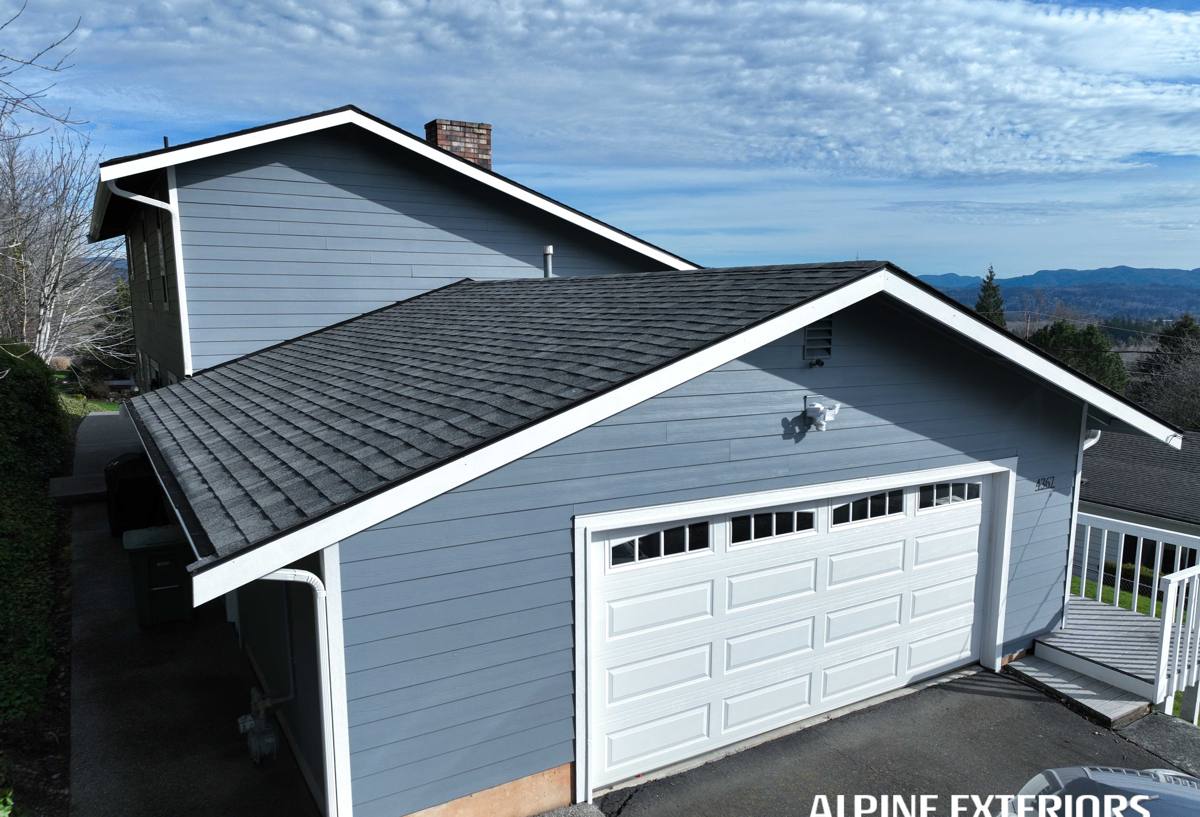
What Coastal Exposure Does to a Roof
Before talking about materials and process, it helps to understand what's actually working against a roof out here:
- Salt air corrosion — airborne salt settles on every exposed surface, including fasteners, flashing, and panel edges. Untreated or mismatched metals corrode faster near the water than they would even a short distance inland.
- Sustained UV exposure — Florida sun breaks down coatings and sealants over time, which is why the quality of a panel's finish matters as much as the metal underneath it.
- Wind-driven rain — storms here rarely come straight down. Rain gets pushed sideways and upward under eaves and around penetrations, which means underlayment and flashing details matter more than they would in a calmer climate.
- Hurricane-force wind loads — barrier island homes see higher sustained wind speeds and uplift forces than inland properties, so fastening patterns and panel attachment have to be engineered for it, not just "standard."
None of this means metal roofing is a bad fit for Belleair Beach — quite the opposite. It means the installation has to account for these conditions specifically, rather than following a generic playbook.
Choosing the Right Metal Roofing System
Not all metal roofing is the same, and the system that makes sense for a coastal home isn't always the cheapest option on paper. We walk homeowners through the tradeoffs honestly rather than pushing whatever's easiest to install.
| System | Wind Performance | Maintenance | Typical Lifespan | Best Fit |
|---|---|---|---|---|
| Standing Seam (concealed fastener) | Excellent — no exposed fasteners to work loose or corrode | Low | 40–70 years | Direct coastal exposure, full roof replacements |
| Exposed-Fastener Panel | Good, but fasteners require periodic inspection and re-torquing | Moderate — gaskets and screws age faster in salt air | 25–40 years | Budget-conscious projects, outbuildings, secondary structures |
| Metal Shingle/Shake Panels | Good with proper interlock and fastening | Low to moderate | 30–50 years | Homeowners who want a traditional look with metal performance |
For a primary residence on a barrier island like Belleair Beach, we typically steer homeowners toward standing seam systems. The concealed fastener design means there are no exposed screw heads for salt air to corrode or wind to work loose over time — which, on an island where storm exposure is a matter of when and not if, tends to be worth the difference in upfront cost. Exposed-fastener panels still have their place, particularly on secondary structures or when budget is the deciding factor, but they do require more attention over the life of the roof.
Materials That Actually Hold Up Near the Water
The metal itself and the coating on it matter as much as the panel style. A few things we won't compromise on for coastal installs:
Metal Gauge and Alloy
Thinner, cheaper panels flex more in high wind and dent more easily from debris. We spec panels heavy enough to hold their shape under wind load and resist the kind of denting that opens the door to water intrusion at seams.
Coatings and Finishes
A quality paint or coating system does two jobs: it protects the metal from corrosion and it resists UV breakdown so the color and finish don't chalk out or fade prematurely under constant Florida sun. This is one of the areas where cutting corners doesn't show up as a problem for a few years — and then shows up all at once.
Fasteners and Flashing Metal
Mismatched metals in direct contact with each other can cause galvanic corrosion, which accelerates dramatically in salt air. We match fastener and flashing materials to the panel system rather than grabbing whatever's on the shelf, specifically to avoid that failure mode.
Underlayment
A high-temperature, self-adhering underlayment underneath the metal gives the roof a genuine second line of defense if wind-driven rain ever gets past the panel seams — which matters more here than in a lot of other markets.
What a Correct Installation Actually Involves
A metal roof is only as good as the details underneath it. Our process on Belleair Beach homes generally includes:
- Roof deck inspection and repair — any soft, rotted, or delaminated decking gets replaced before anything else happens. Metal panels won't hide a bad deck; they'll just fail over it.
- Underlayment installation — a full underlayment layer suited to metal roofing and coastal humidity, properly lapped and sealed at penetrations.
- Panel layout and fastening — panels are laid out and fastened according to the wind-load requirements for the site, not a generic pattern copied from an inland job.
- Flashing at every penetration and transition — valleys, walls, chimneys, vents, and roof-to-wall transitions are where most roof leaks actually start, metal or otherwise. These get built up in layers, not caulked over as an afterthought.
- Edge and trim detailing — drip edges, rake trim, and ridge caps are finished to shed wind-driven rain rather than just cover the edge visually.
- Final inspection and cleanup — including a check for stray fasteners or metal shavings that can rust and stain a finished roof if left behind.
Living With a Metal Roof in a Salt-Air Environment
A good coastal metal roof is genuinely low-maintenance compared to shingles, but "low-maintenance" doesn't mean "no maintenance." A little attention goes a long way toward getting the full lifespan out of the system:
- Rinse accumulated salt residue off the roof periodically, especially after long dry stretches without rain to naturally wash it off.
- Keep gutters and valleys clear so water doesn't pond against seams or fascia.
- After any major storm, do a visual check (or have it checked) for lifted trim, dented panels, or debris impact.
- Trim back overhanging branches that can drop debris or hold moisture against the roof surface.
- Have flashing and sealant points looked at every few years — these age faster than the panels themselves and are the most common source of any future leak.
Permits, Wind Ratings, and Insurance
Roofing work in Belleair Beach falls under Pinellas County and Florida Building Code requirements, which include specific wind-uplift and product-approval standards for coastal construction. Any legitimate roofing contractor should be pulling permits and installing to code — not treating that as optional. We handle the permitting process as part of the job rather than leaving it to the homeowner to sort out.
There's also a practical upside here: a properly installed, wind-rated metal roof can qualify for wind mitigation credits on a homeowner's insurance policy. That doesn't happen automatically — it depends on the specific system, fastening, and documentation — but it's worth discussing with your insurance agent once the roof is in, since the savings can be meaningful for a coastal property.
Why It Matters to Hire a Crew That Works This Island
A metal roof installed to a generic inland standard can look identical to one built for barrier island exposure — right up until the first real storm or a few years of salt air expose the difference. Crews that regularly work Belleair Beach and the surrounding Pinellas County coastline know which details can't be skipped here: the fastening patterns that hold up to sustained coastal wind, the flashing approach that keeps wind-driven rain out, and the material choices that don't corrode prematurely in salt air.
That local familiarity also means a straighter answer up front — an honest read on what your specific roof needs, without guesswork borrowed from a market that doesn't deal with the same conditions Belleair Beach does.
Get a Straight Answer for Your Roof
If you're weighing a metal roof for your Belleair Beach home, we're happy to take a look, walk you through what your specific roof structure and exposure call for, and give you a clear, no-pressure estimate. Fill out the form below and we'll get back to you.