 Largo Siding
 Windows Built for Life on Belleair Beach
Belleair Beach sits on a narrow barrier island between the Intracoastal Waterway and the Gulf of Mexico, and that location changes what a window has to do. Homes here aren't just dealing with Florida sun — they're dealing with salt-laden air moving off the water almost constantly, wind-driven rain that hits glass and frames at an angle instead of straight down, and the real possibility of hurricane-force gusts during storm season. A window that performs fine three miles inland in Largo can fail years earlier on the island simply because of what's in the air and what the wind does to it.
Energy-efficient windows address comfort and utility bills, but on a barrier island they also have to hold up structurally and resist corrosion. Getting both right — efficiency and durability — is the actual job, and it's one we approach differently for beachfront and near-beachfront homes than we do for a house a few miles inland in Pinellas County.
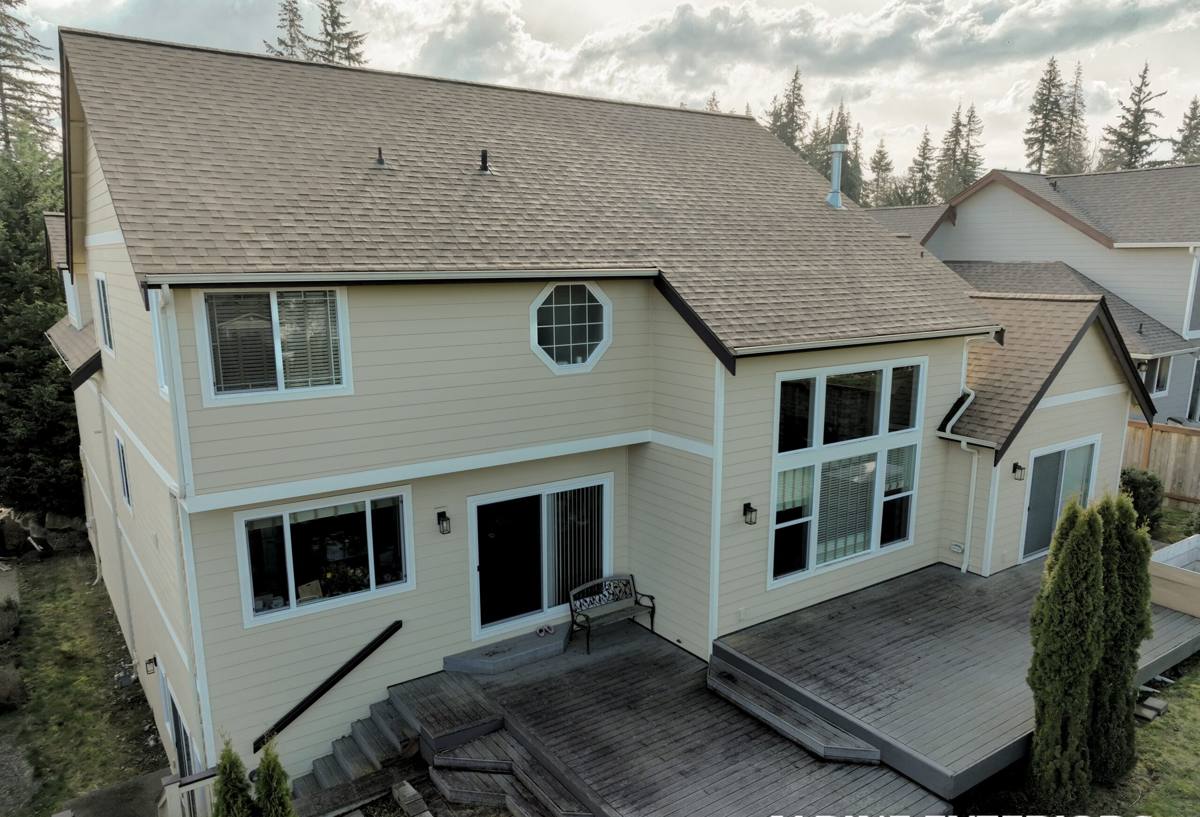
What the Climate Actually Does to Windows Here
Salt Air and Corrosion
Airborne salt settles on everything — glass, screens, and especially frame hardware. Aluminum frames and steel fasteners that aren't properly rated for coastal exposure can corrode, pit, or stain within a few years. This isn't cosmetic only; corroded hardware can cause seals to fail early, which lets moisture and air infiltrate exactly where you paid for a tight seal.
UV Exposure
Florida sun is intense year-round, not just in summer. Constant UV breaks down inferior window seals, fades interior furnishings, and — without the right glass coating — turns a window into a heat lamp for the room behind it, driving your AC to work harder than it should.
Wind-Driven Rain
On the island, storms don't just drop rain straight down — wind pushes it sideways and up under trim and sills. Windows and their flashing need to shed water that's hitting them from an angle, not just from above. A window that's watertight in a calm rain can still leak in a wind event if the flashing and sill pan weren't installed correctly.
Hurricane Winds and Pressure
Being this close to the Gulf means impact and pressure ratings aren't optional upgrades — they're the baseline for a window that's going to actually protect the house through a storm season, not just look good on a spec sheet.
What "Energy-Efficient" Should Mean for This Location
Efficiency and coastal durability aren't separate conversations — they overlap in the products that make sense here. For Belleair Beach specifically, we look at a few things that matter more than they would inland:
- Low-E glass coatings tuned to block solar heat gain without darkening the room — important with the amount of direct Gulf-facing sun many of these homes get
- Frame materials and hardware rated for coastal/marine exposure, not just "hurricane zone" in general — salt resistance and wind resistance are related but not identical requirements
- Multi-point locking hardware and reinforced frames that hold up to both storm pressure and daily salt air without seizing or corroding
- Warm-edge spacer systems between glass panes that resist seal failure under the temperature swings and humidity common near the water
- Proper impact or pressure ratings matched to your specific exposure — a Gulf-facing wall and a canal-side wall on the same house can reasonably call for different products
None of this is exotic. It's about specifying the right glass package and frame system for a barrier-island house, then installing it in a way that respects how water and wind actually behave here — not just following a generic installation checklist written for anywhere in Florida.
Signs Your Current Windows Are Costing You
Homeowners on the island usually notice a pattern of small issues before they add up to a full understanding of what's happening. Watch for:
- Visible corrosion, pitting, or white residue on frame hardware or hinges
- Condensation or fogging between panes, which means the seal has failed
- Rooms near west- or Gulf-facing windows that feel noticeably hotter in the afternoon
- Air movement or a faint whistle around the frame during windy conditions
- Rising cooling bills without a clear cause, especially in a house that hasn't changed its AC habits
- Peeling paint, warping, or soft spots in the sill or trim around a window — a sign moisture has been getting in
Any one of these on its own might not mean much. Several together, especially on a house that's been on the island a while, usually means the windows are past the point where efficiency alone justifies waiting.
How We Approach a Belleair Beach Window Job
1. On-Site Assessment
We look at each elevation of the house separately. A window on the Gulf-facing side of a Belleair Beach home is dealing with more direct salt exposure and sun than one on the landward side, and the right product can differ accordingly. We also check existing flashing, sill condition, and any signs of past water intrusion before recommending anything.
2. Product Selection Based on Exposure, Not Guesswork
We match glass and frame specs to what that specific wall of the house actually faces — sun exposure, wind exposure, and how close it is to open water. We'll walk you through the honest trade-offs between options rather than defaulting to whatever's easiest to install.
3. Correct Flashing and Sealing
This is where most window failures near the water actually start — not with the glass, but with water getting behind the frame through gaps in flashing or sealant that wasn't rated for constant salt and UV exposure. We build the water management detail first, then set the window into it, not the other way around.
4. Installation and Hardware
Fasteners, anchors, and hardware are specified for coastal exposure, not standard-grade parts that will corrode faster this close to the Gulf. We follow manufacturer installation instructions closely, since that's also what keeps your product warranty valid.
5. Final Check and Cleanup
We test operation, check seals, and walk the job with you before we consider it done. You should be able to open, close, and lock every new window smoothly on day one.
Comparing Frame Materials for Coastal Exposure
| Frame Material | Coastal Durability | Maintenance | Typical Trade-Offs |
|---|---|---|---|
| Vinyl | Good — won't corrode; UV-stable formulations hold up well | Low | Frame color/finish options more limited than other materials |
| Aluminum (marine-grade, properly coated) | Good if properly finished; standard aluminum corrodes faster in salt air | Moderate — coating needs to stay intact | Higher heat transfer than vinyl unless thermally broken |
| Fiberglass | Very good — dimensionally stable, resists corrosion well | Low | Higher upfront cost than vinyl |
| Wood-clad | Poor to fair near open salt water without diligent upkeep | High — cladding seams and any exposed wood need regular attention | We generally steer coastal clients away from this on Gulf-facing walls; the maintenance burden and moisture risk this close to the water usually outweigh the appearance benefit |
We'll talk through which of these fits your house, your budget, and which wall we're actually replacing — a landward-facing window has more flexibility than one taking direct Gulf spray and sun.
Cost Factors Specific to This Area
| Factor | Why It Matters Here |
|---|---|
| Impact/pressure rating required | Gulf-facing and higher-exposure walls often call for a higher-rated product than the code minimum elsewhere in Largo |
| Frame material | Coastal-rated materials and finishes generally cost more upfront but reduce corrosion-related replacement down the road |
| Number and size of openings | Larger Gulf-view openings common on the island cost more to fit with impact-rated glass than standard-size inland windows |
| Existing flashing/sill condition | Older homes on the island sometimes need sill or flashing repair before the new window goes in — this adds labor but protects the investment |
| Access | Some island lots have tighter access for material staging and disposal, which can affect labor time |
We give a firm, written estimate after seeing the house — not a phone-quote number that changes once we're on site.
Why Local Experience on This Island Matters
A contractor who mostly works inland Pinellas County jobs isn't wrong about windows in general — but they may not have a feel for how fast salt air corrodes standard hardware, or how wind-driven rain behaves against a Gulf-facing wall during a squall. We work in Largo and the surrounding Pinellas County coastal communities regularly, including Belleair Beach, and that means we're not learning the local conditions on your project. We know to spec coastal-rated hardware by default here, not as an upsell, and we know what flashing detail actually keeps water out on an island lot.
That local pattern recognition is often the difference between a window installation that's still tight in ten years and one that starts showing corrosion or leaks in three.
Get a Straight Answer for Your House
Every house on Belleair Beach faces the water a little differently, and that affects what your windows actually need. If you'd like an honest assessment of your current windows and what it would take to upgrade them, we're happy to take a look. Reach out for a free, no-pressure estimate — use the form below to get started.