 Largo Siding
 Why Redington Beach Windows Wear Out Faster Than Inland Homes
Redington Beach sits right on the barrier island strip of Pinellas County, which means every window in that neighborhood is doing a harder job than a window fifteen miles inland in Largo. You've got salt-laden air moving off the Gulf almost constantly, wind-driven rain that gets pushed sideways into window frames during storms, and UV exposure that runs at a higher intensity most of the year than homeowners in northern states ever deal with. None of that is marketing talk — it's just what coastal Florida does to building materials over time.
The practical result is that windows on or near the beach tend to show their age earlier: seals fail sooner, hardware corrodes, aluminum frames pit and chalk, and wood or composite frames that aren't properly sealed start to soften at the corners. If you're comparing notes with a friend who lives further inland and their 20-year-old windows still look fine while yours are struggling at 12 years, that's not bad luck — it's the environment.
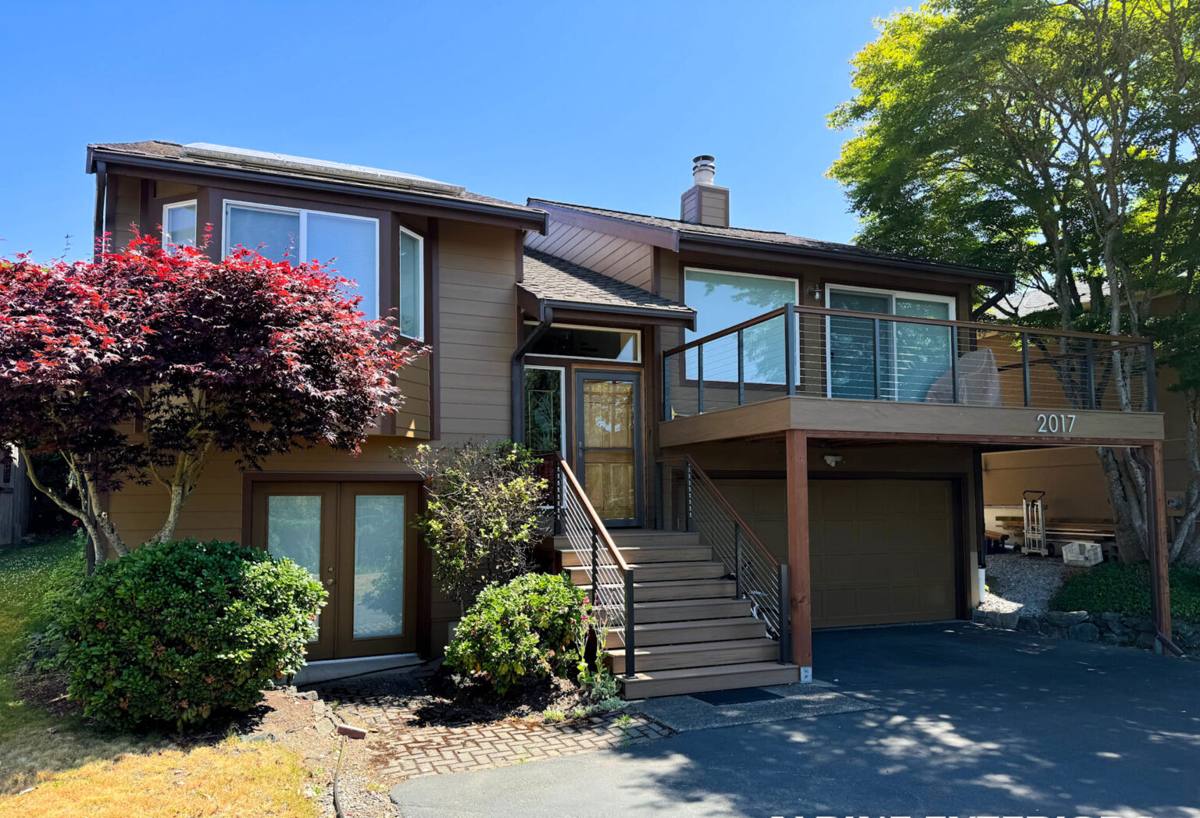
What a Correct Window Replacement Actually Involves
A window replacement is more than swapping glass in an existing opening. Done right, it's a system: the window unit itself, the flashing and water management around the rough opening, the sealant, and the fasteners all have to work together to keep wind and water out under real storm pressure — not just on a calm, sunny install day.
The parts homeowners don't usually see
- Removing the old unit without damaging the surrounding wall, stucco, or interior finish
- Inspecting the rough opening for rot, moisture intrusion, or framing damage before anything new goes in
- Installing flashing tape and a water-resistive barrier detail so any water that gets past the window sheds outward, not into the wall cavity
- Setting the window level, plumb, and square — even a slightly out-of-square install can strain the frame and cause premature seal failure
- Sealing and insulating the gap between the frame and the rough opening correctly, not just caulking the exterior trim
- Fastening per the manufacturer's installation instructions, which is what actually keeps the warranty valid
Skipping any of these steps is how a brand-new, expensive impact window still leaks or fails in a storm. The window product matters, but the installation is what determines whether that product performs the way it's rated to.
Impact-Rated Windows: What Redington Beach Homes Actually Need
Because of where it sits, Redington Beach falls within the wind-borne debris region under the Florida Building Code, which is the zone where impact-rated windows (or windows paired with code-approved shutters) are required or strongly recommended for new installations. Impact windows use laminated glass with an interlayer that holds together under impact instead of shattering outward, and they're tested against both windborne debris and the pressure cycling that comes with hurricane-force wind.
Non-impact windows can still be installed in some situations if paired with approved shutter protection, but most homeowners on the barrier islands find that impact glass is worth it for the simplicity alone — no scrambling to hang shutters before a storm, no shutter storage, and the added benefit of noise reduction and UV control on every ordinary day, not just during hurricane season.
| Feature | Impact-Rated Window | Standard Window + Shutters |
|---|---|---|
| Storm prep required | None — always protected | Shutters must be installed before each storm |
| Daily UV / noise reduction | Significant, all year | None (shutters are only up during storms) |
| Upfront cost | Higher | Lower window cost, but add shutter cost |
| Insurance considerations | Often qualifies for wind mitigation credits | Can also qualify, depending on shutter type |
| Appearance | Clean, unobstructed year-round | Exterior look changes when shutters are deployed |
We'll walk you through what your specific home actually requires based on its wind zone and current protection, rather than assuming every house needs the same solution.
Frame Material: What Holds Up in Salt Air
Frame material matters as much as the glass package once you're this close to the Gulf. Salt air accelerates corrosion on untreated metal hardware and can degrade certain finishes faster than in an inland install.
| Frame Material | How It Handles Salt Air | Maintenance |
|---|---|---|
| Vinyl | Doesn't corrode; UV-stable formulations resist fading | Low — occasional cleaning |
| Aluminum | Can pit or corrode over time without marine-grade coatings | Moderate — coating inspection recommended |
| Fiberglass | Very stable dimensionally, resists corrosion well | Low |
| Wood / wood-clad | Vulnerable to moisture and salt if seals fail | Higher — regular sealant/paint upkeep |
We don't push one material as the only right answer — it's a genuine trade-off between upfront cost, appearance preference, and how much upkeep you want to sign up for. What we won't do is install a frame system in a beachfront setting without being upfront about what it'll ask of you five and ten years down the road.
Our Window Replacement Process
1. On-site assessment
We look at your current windows, the condition of the rough openings, your home's wind zone, and what's actually causing the problems you're seeing — whether that's fogging seals, hard-to-operate hardware, drafts, or visible frame damage.
2. Product selection
We talk through impact ratings, frame material, glass options (including Low-E coatings for heat and UV control), and grille or finish preferences based on your home's style and budget — not a one-size pitch.
3. Permitting
Window replacement in Pinellas County typically requires a permit, especially for impact-rated installations tied to wind mitigation. We handle the permit application and coordinate inspections so you're not chasing paperwork.
4. Removal and installation
Old units come out carefully, openings get inspected and repaired if needed, and new windows go in with proper flashing, sealing, and fastening per manufacturer specs.
5. Final inspection and cleanup
We walk the job with you, confirm every window operates and seals correctly, and clean up the site before we consider the job done.
Signs It's Time to Replace, Not Repair
- Foggy or cloudy glass between the panes (failed seal — this doesn't get better)
- Windows that are hard to open, close, or lock, especially after summer humidity swings
- Visible corrosion on aluminum frames or hardware
- Soft or discolored framing around wood or wood-clad windows
- Noticeable drafts or a spike in cooling costs during summer months
- Rattling or whistling during windy conditions off the Gulf
- Current windows are non-impact and you're relying on aging or missing shutters
If you're only seeing one or two of these on a handful of windows, repair might still make sense. If it's showing up across most of the house, replacement is usually the more cost-effective path — you're not paying to patch the same problem twice.
Wind Load, Code, and Insurance Considerations
Every window installed in this part of Pinellas County has to meet Florida Building Code wind load requirements for the property's specific wind zone, and beachfront properties like those in Redington Beach are typically at the higher end of those requirements. That's not a technicality — it's the difference between a window that holds up in a real storm and one that doesn't.
It's also worth checking with your insurance agent before and after a window replacement. Impact-rated windows can factor into wind mitigation inspections and may affect premiums, but the specifics depend on your policy and carrier, so we'd rather you verify that directly than take our word for it.
Why Local Experience in Redington Beach Matters
A crew that mostly works inland jobs doesn't necessarily think about salt air corrosion on fasteners, the way wind-driven rain behaves against a beachfront-facing wall, or how HOA or community guidelines on the barrier islands can affect exterior changes. A crew that regularly works Redington Beach and the surrounding Pinellas County coastal communities has already run into those specifics and builds them into the estimate and the install from the start, rather than discovering them mid-job.
That familiarity also shows up in smaller ways — knowing which local permitting steps tend to move faster, what inspectors are looking for on coastal installs, and how to sequence work around this area's weather patterns so a job isn't left half-open when a storm rolls in.
Caring for New Windows in a Coastal Environment
Even well-installed, high-quality windows benefit from a little routine attention this close to the Gulf:
- Rinse exterior frames and tracks periodically to clear salt buildup, especially after storms
- Check weep holes to make sure they're not clogged with debris or salt residue
- Inspect exterior caulking and sealant annually and touch up if it's cracking or pulling away
- Operate hardware regularly rather than leaving windows shut for long stretches, which can help you catch early corrosion or stiffness
None of this is heavy maintenance, but skipping it is how minor issues turn into bigger ones faster near the beach than they would inland.
If your windows are showing their age or you're planning ahead of the next storm season, we're happy to take a look and give you a straightforward, no-pressure estimate — just fill out the form below and we'll get in touch.