 Largo Siding
 Building a Deck That Actually Belongs in Belleair
Belleair sits close enough to the water that every outdoor structure on a property deals with the same combination of stresses: salt-laden air, wind-driven rain, punishing UV exposure, and the occasional direct hit from a tropical system. A deck built the way it might be built in a landlocked state simply doesn't hold up here. Fasteners corrode faster, framing lumber that isn't properly rated cups and splits, and decking surfaces that look fine in a showroom can fail within a few seasons once they're exposed to real Gulf Coast weather year-round.
This page focuses on one thing: building decks correctly for Belleair homes, specifically. Not a generic overview of decking materials, but what actually matters when the structure has to survive salt air, high humidity, and hurricane-force wind loads without turning into a maintenance headache or a safety liability.
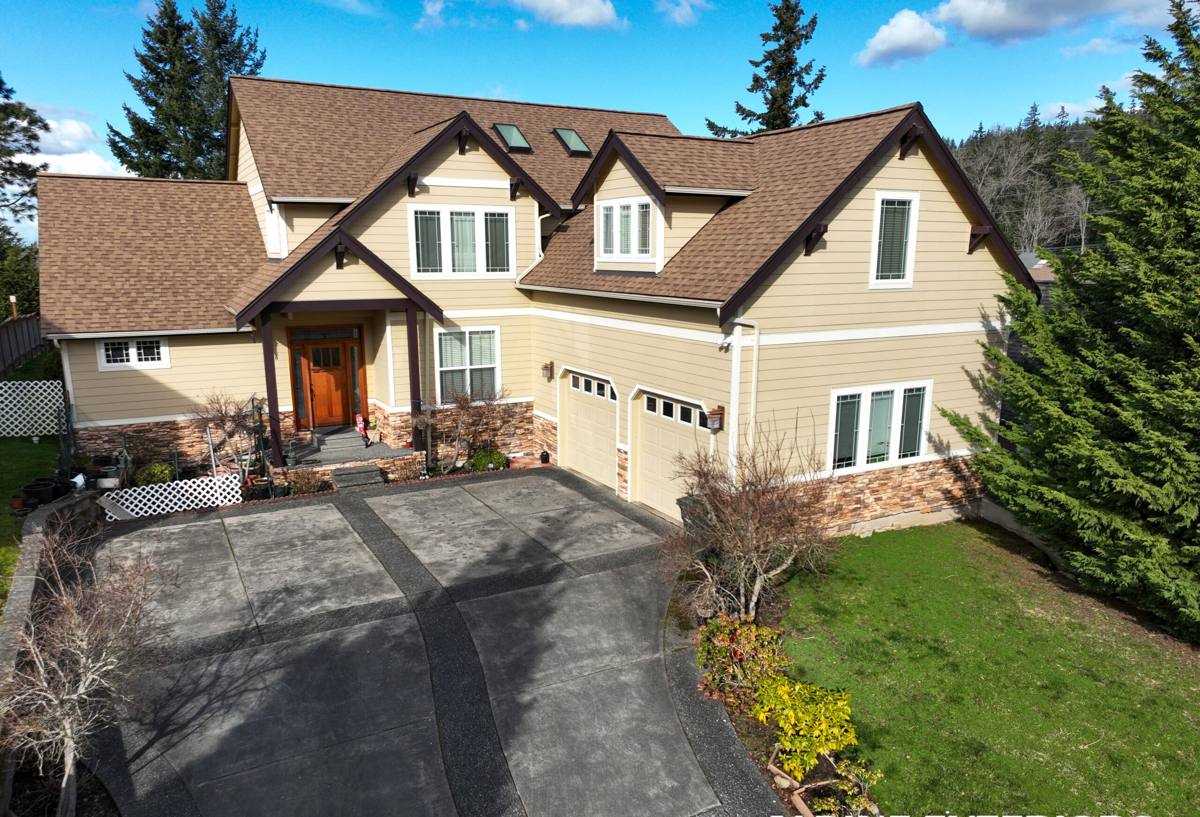
What Belleair's Climate Actually Does to a Deck
Every material and connection choice on a deck build should be a direct response to a few known conditions in this area:
- Salt air corrosion: Even properties not directly waterfront get airborne salt exposure. Standard zinc-coated fasteners and hardware corrode faster here than in inland climates, weakening connections from the inside out long before the problem is visible.
- Wind-driven rain: Rain here rarely falls straight down. It's pushed sideways and up under railings, fascia, and ledger boards, which means flashing details and drainage gaps matter more than they would in a drier or calmer climate.
- Intense, near-constant UV: Florida's UV load is high year-round, not just in summer. Untreated or poorly finished wood grays, splinters, and checks faster; some composite products can fade or chalk if they weren't chosen with UV resistance as a priority.
- Hurricane and tropical-storm wind loads: Pinellas County is subject to wind design requirements that reflect real storm risk. A deck's ledger attachment, post-to-beam connections, and railing anchoring all need to be engineered for uplift and lateral load, not just vertical weight.
- Humidity and moisture cycling: Wood framing that isn't rated for ground contact or that traps moisture against masonry will rot from the inside, often well before surface signs appear.
None of this means a deck in Belleair has to be over-built or absurdly expensive. It means the details that get skipped on a rushed job — fastener grade, flashing, footing depth, ledger attachment — are exactly the details that determine whether the deck lasts eight years or twenty-five.
What a Correctly Built Deck Involves
Framing and Fasteners
Structural framing should use lumber rated for the exposure it'll actually see — pressure-treated for ground contact where posts meet soil, and hardware rated for coastal use throughout. Stainless steel or high-grade coated fasteners cost more upfront than standard hardware, but replacing a deck because the connections rusted out is a far bigger expense. This is one area where cutting corners doesn't save money over the life of the structure — it just moves the cost to a few years down the road.
Footings and Posts
Footing depth and diameter need to reflect both the soil conditions on the specific lot and the load and wind requirements for the structure's size and height. A footing that's adequate for a small ground-level platform is not adequate for an elevated deck with a roof or heavy railing system. This is engineering, not guesswork, and it's where a lot of shortcuts happen on lower-bid jobs.
Ledger Attachment
Where a deck attaches to the house is the single most common failure point on residential decks nationally, and it's made worse here by wind-driven rain finding its way behind poorly flashed ledger boards. Proper flashing, correct fastener spacing, and a real structural connection to the house framing (not just the siding or sheathing) are non-negotiable.
Decking and Railing Material
The decking surface and railing system are what homeowners see and touch every day, and they take the most direct UV and weather exposure. The right choice depends on budget, maintenance tolerance, and how exposed the deck is to sun and salt air.
Comparing Decking Options for a Belleair Property
| Material | UV/Salt Air Performance | Maintenance | Typical Lifespan Here |
|---|---|---|---|
| Pressure-treated wood | Fair — needs sealing to resist checking and graying | Annual cleaning and periodic re-sealing | 10-15 years with upkeep |
| Composite decking | Good — resists rot and insects, but quality varies by product | Periodic washing; no sealing or staining | 20-25+ years, product-dependent |
| PVC/capped composite | Very good — fully capped boards resist moisture and fading well | Low; occasional washing | 25+ years |
| Tropical hardwoods | Good natural durability, but installation-sensitive in humid coastal air | Regular oiling to maintain appearance | 15-25 years with consistent care |
We'll walk through these options honestly, including the real maintenance commitment each one requires, rather than steering every homeowner toward the highest-margin product. A well-installed pressure-treated deck that gets sealed on schedule can outperform a poorly installed composite deck, and vice versa. Installation quality matters more than the brand name on the boards.
Permitting and Code in Belleair and Pinellas County
Deck construction in this area is subject to Pinellas County and local building code requirements, including wind load standards tied to the region's hurricane exposure. Depending on the deck's size, height, and whether it's attached to the home, a permit and inspection are typically required. This isn't paperwork for its own sake — it's the mechanism that confirms the footings, framing, and connections were actually built to withstand the loads they'll see. A contractor who pulls permits and builds to pass inspection is building the deck correctly the first time, not hoping it holds up.
Our Process for Belleair Deck Projects
- On-site assessment: We look at the lot, the house's existing structure at the attachment point, sun and wind exposure, and drainage before recommending anything.
- Honest material conversation: We walk through wood, composite, and PVC options with real trade-offs — cost, maintenance, and how each holds up to salt air and UV specifically at this location.
- Design and engineering: Framing, footings, and connections are sized for the deck's actual dimensions, elevation, and load requirements, not a generic template.
- Permitting: We handle the permit application and coordinate required inspections so the finished deck is code-compliant, not just complete.
- Construction: Framing, decking, and railing are installed with coastal-grade fasteners and proper flashing at every point where water could otherwise get behind the structure.
- Final walkthrough: We go over the finished deck, how to maintain it, and what to watch for as it ages in this climate.
Maintaining a Deck in a Salt Air, High-UV Climate
Even a correctly built deck needs some ongoing attention here. A short seasonal routine goes a long way:
- Rinse the deck surface periodically to clear salt residue, pollen, and organic buildup before it stains or degrades the finish.
- Check railing posts and stair connections for movement or corrosion signs at least once a year, especially after storm season.
- Re-seal wood decking on the schedule the product calls for — skipping a cycle in this UV load accelerates checking and graying.
- Keep an eye on the ledger flashing and any spot where the deck meets the house; that's where wind-driven rain does the most damage over time.
- Clear debris from under the deck and around footings so moisture doesn't sit against framing.
Signs an Existing Deck Needs Attention
If you already have a deck in Belleair, a few warning signs are worth acting on before they become structural problems:
- Soft, spongy, or discolored decking boards, especially near the ledger or stairs
- Rust streaking around fasteners or visible corrosion on hardware
- Railings that flex or feel loose when leaned on
- Gaps or separation where the deck meets the house
- Visible rot or insect damage at post bases near soil contact
Any of these can usually be caught early with a straightforward inspection, well before a full rebuild is the only option.
Why Hire a Crew That Already Works in Belleair
A contractor who works regularly in this part of Pinellas County already knows the wind requirements, the permitting process with the local building department, and how quickly salt air and sun punish the wrong materials or shortcuts. That's the difference between a deck that's built to pass an inspection and one that's built to actually hold up through hurricane season after hurricane season. We're not guessing at what this climate does to a structure — we've seen it, and we build accordingly.
If you're planning a new deck or need an honest assessment of one that's already showing its age, we're glad to take a look. Reach out for a free, no-pressure estimate using the form below.