 Largo Siding
 St. Petersburg sits on a peninsula with Tampa Bay on one side and the Gulf of Mexico on the other, and that geography shapes what "custom windows" actually means here. The city's housing stock runs from early-1900s bungalows and Craftsman homes in older, established neighborhoods to mid-century construction, waterfront properties, and condo and townhome buildings closer to downtown — and very little of that inventory was built to today's standardized window sizes. A custom window in St. Petersburg has to solve two problems at once: fit an opening that a stock unit won't fit, and hold up to a coastal climate that punishes shortcuts. This page covers what that actually involves, from a company based nearby in Largo that works this part of Pinellas County regularly.
Why St. Petersburg Homes Often Need Custom Sizing
A lot of St. Petersburg's older housing predates modern window manufacturing standards entirely. Bungalows and Craftsman-style homes from the early-to-mid 1900s were framed to whatever dimensions suited the design at the time, so a straight swap with a stock replacement window frequently isn't possible — the opening is either slightly off from anything on a shelf, or it was built with proportions (tall and narrow, grouped triples, transom details) that manufacturers don't make as standard product. Mid-century homes bring their own quirks, often with larger picture windows or jalousie-style openings that need a specific approach to replace correctly.
Additions, remodels, and enclosed porches add another layer. A room added onto an older home rarely lines up with the original construction's dimensions, and an owner converting a porch or lanai into conditioned living space is usually starting from an opening that doesn't match any catalog size. On top of all that, a fair number of St. Petersburg properties — particularly those with bay or Gulf frontage or views toward downtown's waterfront — were designed around picture windows, bay windows, or oversized openings meant to make the most of the view. None of that is unusual for us. It's routine work in this part of Pinellas County. But it means the project starts with careful measurement and an honest conversation about what's actually achievable, not a quick order from a size chart.
What the Local Climate Asks of a Window Installation
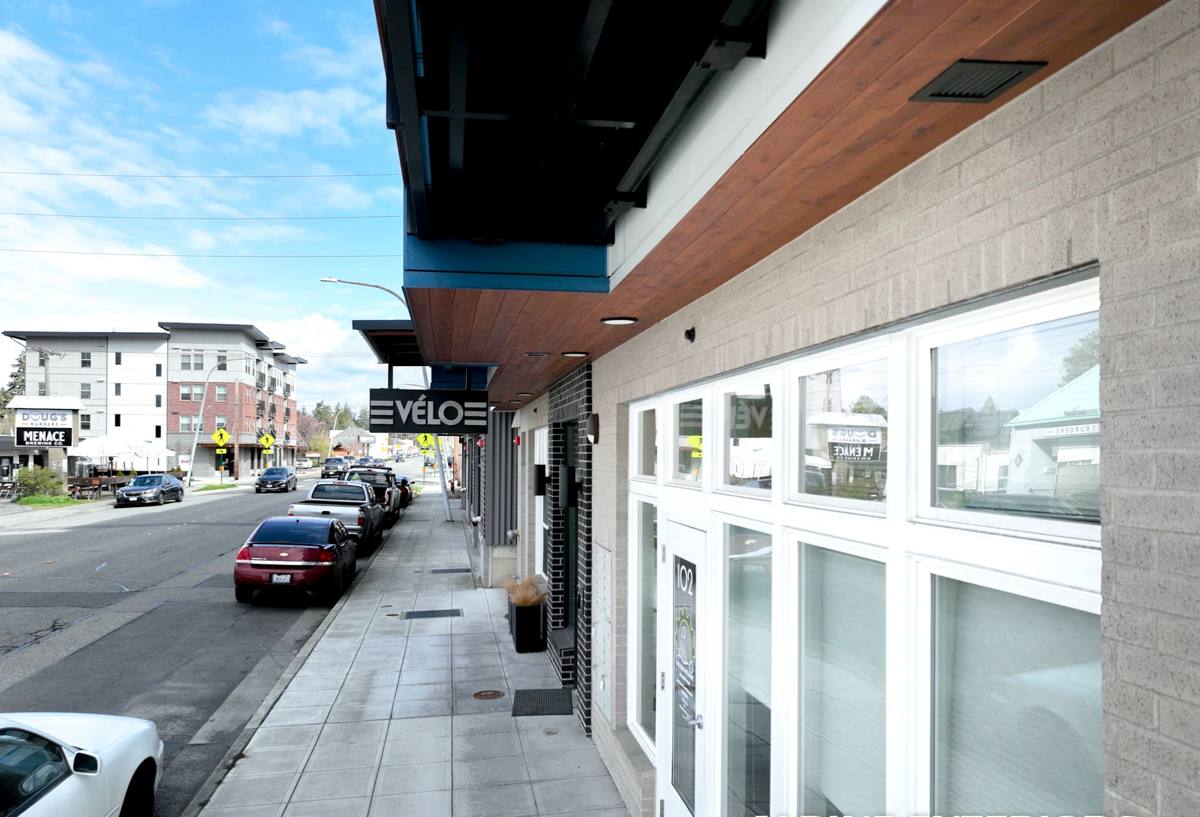
St. Petersburg's position between the bay and the Gulf means homes here take on weather exposure from more directions than a typical inland property. Four factors do most of the work of wearing down a window installation over time, and each one matters more on a custom unit than on a standard one.
Hurricane-Force Wind and Wind-Borne Debris
Pinellas County falls within Florida's wind-borne debris region under the Florida Building Code, which means most window openings here have to meet wind-pressure and impact standards that a lot of the country never has to consider. That requirement doesn't relax because a window is custom-sized — a larger picture window or a wide bay unit presents more glass area for wind load to act against and more perimeter that has to be anchored and flashed correctly. Getting the wind rating and anchoring right on a non-standard opening takes more planning than on a stock size, not less.
Intense, Nearly Year-Round UV
Florida's UV exposure is among the highest in the country, and it doesn't really let up with the seasons the way it does farther north. Constant sun breaks down lower-grade vinyl, weatherstripping, and sealants faster here than in most climates, showing up as chalking, brittleness, and seal failure well before it should on a properly rated product. On a large picture window or a west-facing custom unit catching afternoon Gulf sun, that stress is concentrated over more surface area.
Wind-Driven Rain
Storms coming off the Gulf push rain sideways into wall assemblies rather than letting gravity carry it straight down, which tests flashing details that a calmer inland climate would never expose. A custom window's flashing plan has to account for that directional pressure at every transition point — the sill of a wide picture window, the roof of a bay projection, the corners of an arched or angled opening.
Salt Air
With water on two sides of the peninsula, salt-laden air reaches St. Petersburg homes from both the bay and the Gulf depending on the lot's orientation. That accelerates corrosion in hardware, fasteners, and any frame component not built for coastal exposure, and it works continuously, not just during storm events. A corroding fastener can lose holding strength well before it looks obviously bad, which is one reason hardware choice on a custom window here isn't a place to economize.
Where the Risk Actually Concentrates
On a custom window, it's rarely the glass or frame material that fails first — it's the transition points. Where a bay window's roof ties into the main wall, where a wide sill meets the siding below it, where an arched top is cut into the surrounding wall assembly: those are the spots that need extra flashing attention, and they're also the spots a rushed installation is most likely to shortcut, because they take real time to get right.
Custom Window Types We Build For in St. Petersburg
Custom doesn't mean one thing. The approach changes depending on what's actually being replaced or added.
- Non-standard replacement sizes — matching an opening in a bungalow or mid-century home that predates modern window sizing
- Bay and bow windows — projecting units that add interior space and views but require their own roof, support, and flashing system
- Picture and large-format windows — fixed units often used to take advantage of bay, Gulf, or downtown-facing views, with more glass area to manage structurally
- Arched, transom, and specialty-shaped units — architectural details common on older St. Petersburg homes, requiring custom-cut units and matching flashing
- Enclosed porch and lanai conversions — new window openings created when a porch or lanai becomes conditioned living space
- Matched sets for additions — new windows that need to line up visually with the original home's window pattern
What a Correct Custom Window Job Involves
Measuring and Ordering
Custom work starts with precise field measurement, not a catalog lookup. We measure the actual opening, note any out-of-square or out-of-level conditions common in older homes, and account for what the finished trim and flashing will need in terms of clearance. Because custom units are built to order, this is also where we set realistic expectations on lead time — custom windows take longer to arrive than stock sizes, and you'll get an honest timeline before you commit to anything.
Opening Prep and Structural Considerations
Larger custom units, bay windows especially, sometimes need structural support beyond what a standard opening requires, since they carry more weight and project outward from the wall plane. We evaluate that during the initial assessment rather than discovering it mid-project. On older St. Petersburg homes, this is also typically where we find out whether the original framing or flashing needs correction before a new unit goes in.
Wind Rating and Glazing Decisions
Every opening in Pinellas County's wind-borne debris region needs a plan for meeting Florida Building Code wind and impact requirements — either impact-rated glazing built into the window itself, or a code-compliant protective system paired with standard glazing. On a custom unit, that decision has to be made before the window is ordered, since it affects the frame, the glass makeup, and how the unit anchors into the opening.
Flashing and Weatherproofing
This is the step that matters most in a climate like St. Petersburg's. Every custom shape changes how flashing has to be sequenced — a bay window's roof needs weatherproofing separate from the wall flashing below it, a wide sill needs to shed water outward instead of pooling, and an arched top needs flashing cut and lapped to match the curve. We build the flashing plan around the specific opening, not a generic template pulled from a manufacturer's standard install guide.
Trim and Finish Integration
Custom windows often sit in visually prominent spots — a bay window facing the street, a picture window centered on a water view, an arched transom over an entry. On older homes, the finish work also has to respect the existing architectural character rather than looking like an obvious later addition. We plan that integration before the window arrives.
A Quick Checklist Before You Order
- Confirm the opening has been field-measured, not estimated from old plans or a rough guess
- Ask what wind and impact rating the unit meets, and how that was determined for this specific opening
- Ask what the flashing plan looks like for the shape you're getting, not a generic answer
- Get a realistic lead time in writing before committing to a schedule
- Ask whether the opening needs structural review, especially for bay, bow, or oversized units
- Confirm what's covered under warranty — the window unit and the installation labor are often separate
Our Process, Start to Finish
- On-site assessment — we measure the opening, check square and level, and evaluate structural or flashing concerns specific to the shape and size involved
- Honest recommendation — custom order, modified stock size, or opening reframe, explained with the reasoning rather than whatever is fastest to sell
- Ordering and lead time — a realistic timeline for the custom unit to arrive, since this isn't a same-week job
- Removal and opening prep — the old unit comes out carefully, and any hidden issues with the existing opening get addressed before the new window goes in
- Installation and flashing — the new unit is set, shimmed, and flashed to a sequence built for its specific shape and wind exposure
- Trim and finish — exterior trim is integrated to match the surrounding siding and architecture
Custom vs. Stock: What Actually Changes
| Factor | Stock Window | Custom Window |
|---|---|---|
| Lead time | Often available quickly from local or regional stock | Built to order — expect weeks, depending on complexity |
| Fit | Standard sizes only — reframing needed if the opening doesn't match | Matched to the exact opening or design intent |
| Wind/impact compliance | Widely available in pre-tested standard configurations | Must be verified for the specific size and shape ordered |
| Flashing complexity | Straightforward, well-documented rectangular details | Shape-specific — bay roofs, arched cuts, or wide sills each need their own plan |
| Structural review | Rarely needed for a like-for-like swap | Often needed for bay, bow, or oversized units |
| Best fit | Simple replacements in standard openings | Older homes, additions, waterfront views, or architectural features |
What Drives Cost on a Custom Window Project
We won't quote a number without seeing the opening, but the factors that move price on custom work in this area are consistent:
| Factor | Why It Matters |
|---|---|
| Size and glass area | More glass and larger units cost more to manufacture and are heavier to install |
| Shape complexity | Arched, angled, or curved units require specialty manufacturing and more flashing labor |
| Wind/impact rating | Custom units built to meet Pinellas County's wind-borne debris requirements cost more than non-rated equivalents |
| Structural work | Bay and bow windows sometimes need added support framing |
| Opening condition | Rot, old flashing failures, or out-of-square framing on older homes add repair work before the new unit goes in |
| Number of units | A matched set for an addition or full-house project typically has better per-unit economics than a single window |
Frame Materials for Bay-and-Gulf Conditions
Frame material matters even more on a custom unit, since a larger or more exposed window has more surface area for salt air, UV, and moisture to work against. We'll walk through the honest trade-offs for your specific opening rather than defaulting to whatever's easiest to install. Vinyl and fiberglass frames generally hold up to sustained coastal exposure with less ongoing maintenance than an all-wood exterior finish, which is why they're our starting point on weather-facing custom installs near the bay or Gulf. Wood-clad interiors with a protected, low-maintenance exterior cladding can still be the right call when the interior appearance matters and the exterior is properly weathered against, but that trade-off should be a deliberate choice, not a default.
Why Local Experience in St. Petersburg Matters
Manufacturer installation guides are written for average, standard-size conditions in a generic climate. Custom windows in St. Petersburg rarely fit that description, and the climate here doesn't either — hurricane-force wind, near-constant UV, wind-driven rain, and salt air off two different bodies of water stack the deck against a shortcut installation more than they would in a calmer inland market. A crew that has actually built out bay windows, flashed arched transoms on older bungalows, and handled porch-to-window conversions in this specific part of Pinellas County knows which details in a manufacturer's standard guidance are non-negotiable here, and where extra time on flashing or anchoring is worth it even when it's not strictly required elsewhere.
That experience shows up in decisions that don't make it into a sales pitch — how a bay window's roof ties into the main wall's water management, how much lap a flashing course needs on an arched opening, when a wide sill needs a sloped composite cap instead of relying on caulk. Those are the details that decide whether a custom window is still performing cleanly in fifteen years or showing rot, drafts, or a failed seal in five.
Ready When You Are
If you're replacing an odd-sized opening in an older St. Petersburg home, converting a porch into living space, or considering a bay or picture window to make the most of a water view, it's worth having someone look at the actual opening before you start pricing units. We offer free, no-pressure estimates for custom window projects in St. Petersburg and the surrounding Pinellas County area — use the form below to get a time on the schedule.