 Largo Siding
 Building Decks That Hold Up on Redington Shores
A deck in Redington Shores works harder than a deck almost anywhere else in the country. This stretch of the Pinellas County coastline sits right up against the Gulf and the Intracoastal, which means every outdoor structure here is exposed to salt-laden air, near-constant sun, wind-driven rain, and the real possibility of hurricane-force gusts in a given season. A deck that would hold up fine in an inland climate can start showing corrosion, cupping, or loose connections within a few years out here if it wasn't built with those conditions in mind from the start.
This page is about one thing: building decks for homes in and around Redington Shores, and what that actually requires. Not a generic overview of decking — the specific decisions that matter when the structure you're building has to survive salt air, UV, and coastal storms year after year.
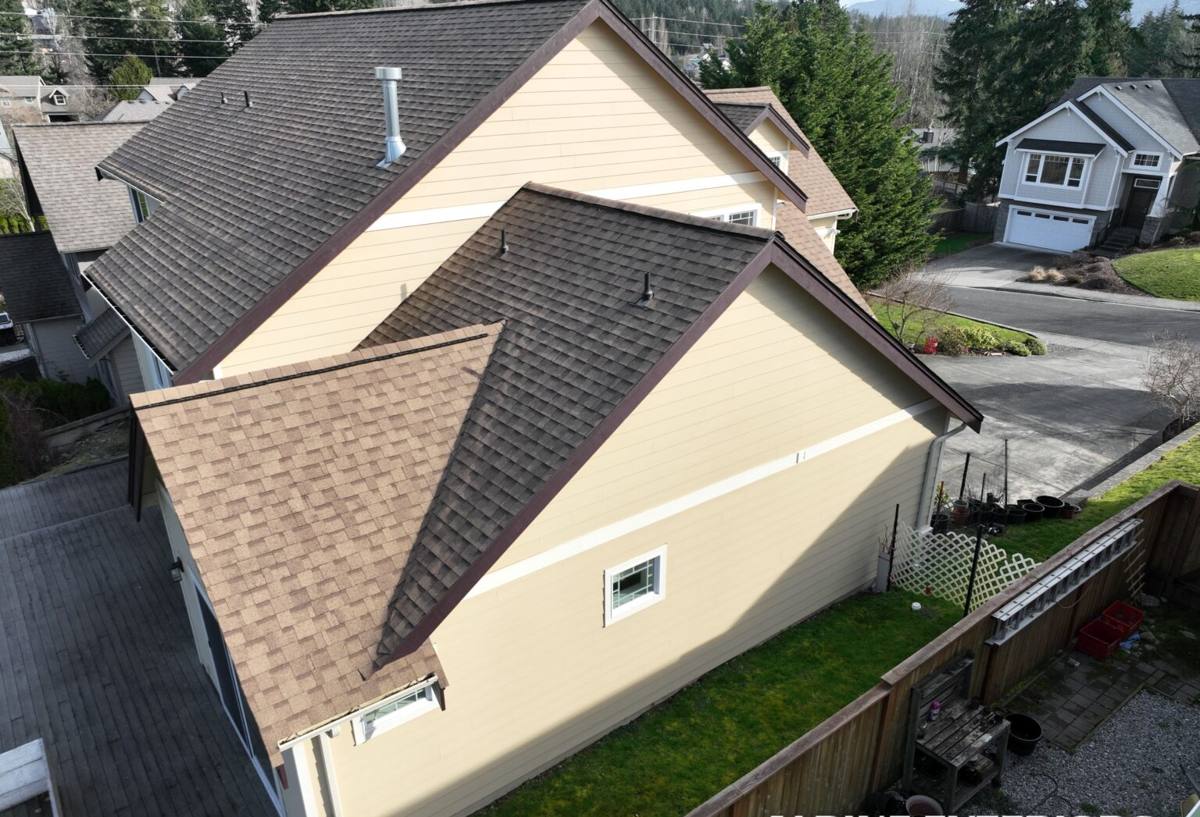
What a Redington Shores Deck Is Up Against
Salt Air and Corrosion
Airborne salt travels well inland from the Gulf, and on a barrier island or near-coastal property it's present in the air almost every day. Salt accelerates corrosion in any exposed metal — fasteners, brackets, railing hardware, even the heads of screws. A deck built with standard hardware can start showing rust streaks and weakening connections in a fraction of the time it would take somewhere further from the water.
Constant UV Exposure
Florida sun is intense year-round, not just in summer. UV breaks down the surface fibers of wood, dries out natural oils, and fades or chalks the surface of composite and PVC decking over time. Materials and finishes that aren't rated for high UV exposure will visibly degrade faster here than the manufacturer's general lifespan estimates might suggest.
Wind-Driven Rain and Moisture Cycling
Coastal storms don't just bring rain straight down — wind drives it sideways, into ledger connections, under railings, and into any gap in flashing or fastening. Combine that with Florida's humidity and the daily heat-and-rain cycle, and any weak point in moisture management becomes an entry point for rot in wood framing or corrosion in fasteners.
Hurricane-Force Wind Loads
Pinellas County's building code reflects the real wind speeds this area can see. A deck isn't just a platform — it's a structure that has to resist uplift and lateral load in a storm, which means footings, framing connections, and railing attachment all have to be engineered and installed to hold, not just to look finished.
Choosing a Decking Material for This Climate
There's no single "best" decking material for every home — it depends on budget, how much upkeep you want to take on, and how the deck will be used. What matters is understanding the honest trade-offs for a salt-air, high-UV environment before you decide.
| Material | Upfront Cost | Maintenance | Coastal Durability |
|---|---|---|---|
| Pressure-treated wood | Lowest | Regular sealing/staining needed to resist moisture and UV | Good if maintained consistently; skipped maintenance shortens life fast |
| Composite decking | Mid to high | Low — periodic cleaning, no staining | Strong resistance to rot and salt air; quality varies by product line |
| PVC / cellular decking | Highest | Lowest — no sealing, minimal staining risk | Excellent moisture and UV resistance; least affected by humidity swings |
| Tropical hardwood | High | Regular oiling to maintain color and prevent surface checking | Naturally dense and durable, but installation and fastening are less forgiving |
We'll walk through these options honestly, including what each one actually costs to own over ten or fifteen years, not just what it costs to install. A cheaper material that needs frequent resealing in this climate isn't automatically the cheaper choice long-term.
What a Correctly Built Deck Involves
Footings and Framing
Footings need to be sized and set to local frost-free, load-bearing standards, with framing spans and joist spacing matched to the actual load and wind requirements for the area — not just a standard spacing pulled from a generic plan. Undersized framing is one of the most common shortcuts on lower-quality deck jobs, and it's invisible until the deck is under stress.
Ledger Board Attachment and Flashing
The ledger board — where the deck attaches to the house — is the single most common failure point on decks nationally, and it's a moisture problem as much as a structural one. Proper flashing keeps wind-driven rain from getting behind the ledger and into the house's wall structure, and correct bolting (not just nailing) is what keeps the deck attached under load.
Fasteners and Hardware
In a salt-air environment, fastener choice isn't a minor detail — it's one of the decisions that determines whether the deck is still solid in ten years. Stainless steel or coated fasteners rated for coastal/marine exposure resist corrosion in ways standard galvanized hardware doesn't, especially at connection points that see repeated wetting.
Railings and Code Compliance
Railing height, baluster spacing, and attachment strength are all governed by code, and they matter for both safety and wind resistance. A railing that's just screwed to the outside of a rim joist without proper blocking will loosen over time, especially under repeated wind load.
Permits and Local Code Considerations
Deck construction in Pinellas County typically requires a permit, and depending on the property, that can involve wind-load engineering, setback review, and inspection at multiple stages of the build. Properties near the water — including many in Redington Shores — may also fall under flood zone requirements that affect how a deck can be attached to the home or how it's elevated. We handle the permitting process as part of the job, including working with the required documentation for coastal and flood-zone properties, so homeowners aren't left navigating it alone.
Our Deck Building Process
- Site visit and assessment — we look at the existing structure or bare site, drainage, sun/wind exposure, and how the deck will actually be used.
- Design and material selection — layout, framing plan, and an honest conversation about material trade-offs for this climate and this budget.
- Permitting — we prepare and submit what's required for Pinellas County and the specific property, including any flood zone or wind-load documentation.
- Construction — footings, framing, ledger attachment and flashing, decking, and railing installed to code and to coastal-grade fastening standards.
- Final walkthrough and inspection — we review the finished deck with the homeowner and coordinate any required final inspection before calling the job done.
Maintaining a Deck in a Salt-Air Climate
Even the right materials and installation still benefit from some regular upkeep in this environment. A little routine attention goes a long way toward getting the full lifespan out of a coastal deck.
- Rinse salt residue off the deck surface and railings periodically, especially after storms with onshore wind
- Check fastener heads and hardware annually for early rust or corrosion, not just after a visible problem shows up
- Reseal or restain wood decking on the schedule appropriate to the product — don't wait for visible graying or cracking
- Keep gutters and downspouts clear so runoff isn't draining directly onto or under the deck
- Inspect ledger board flashing and railing attachment points after major storms
- Trim back vegetation that traps moisture against the deck structure
Why Hire a Crew That Already Works in Redington Shores
Deck-building knowledge that comes from working other climates doesn't automatically transfer to a barrier island community on the Gulf. A crew that already builds and repairs decks in and around Redington Shores has already seen what salt air does to the wrong hardware, what wind-driven rain does to a poorly flashed ledger, and what a properly engineered deck looks like after it's been through a real storm season. That's the kind of judgment that shows up in the details — fastener selection, flashing technique, framing choices — that aren't obvious from a finished deck's surface but determine how it holds up over the next decade.
We're a Largo-based siding and exterior contractor that works throughout Pinellas County, including the Redington Shores area, and we bring the same coastal-grade standards to deck building that we apply to siding and exterior work on homes exposed to this same salt air and storm risk.
What to Ask Before Hiring a Deck Contractor
- Are footings and framing sized for local wind-load and code requirements, or a generic standard plan?
- What fastener and hardware grade is being used, and is it rated for coastal/marine exposure?
- How is the ledger board flashed and attached to the house?
- Is the permit process handled by the contractor, including any flood zone documentation if applicable?
- What's the realistic maintenance schedule for the material being proposed, and what does skipping it actually cost you long-term?
If you're planning a new deck or replacing one that's showing its age in Redington Shores, we're happy to take a look and give you a straightforward, no-pressure estimate — just fill out the form below to get started.