 Largo Siding
 Why Kenneth City Siding Takes More Punishment Than It Looks
Kenneth City sits in the middle of Pinellas County, close enough to both coasts that homes here deal with the worst of both worlds: salt-laden air drifting in off the Gulf and Tampa Bay, plus the full brunt of Florida's summer storm season. Add in year-round UV exposure that never really lets up, even in winter, and you have a climate that is genuinely hard on exterior siding. Most homeowners don't think about their siding until something looks obviously wrong — a soft spot, a crack, a section that's pulling away from the wall. By the time damage is visible, there's usually been moisture intrusion happening underneath for a while.
Wind-driven rain is the sneaky one. During a tropical system or even a strong summer thunderstorm, rain doesn't just fall straight down — it gets pushed sideways into seams, laps, and fastener points. If the siding, flashing, or caulking isn't holding up its end, water finds a way behind the panels. That's when small cosmetic issues turn into rot, mold, and sheathing damage that costs a lot more to fix than the original problem would have.
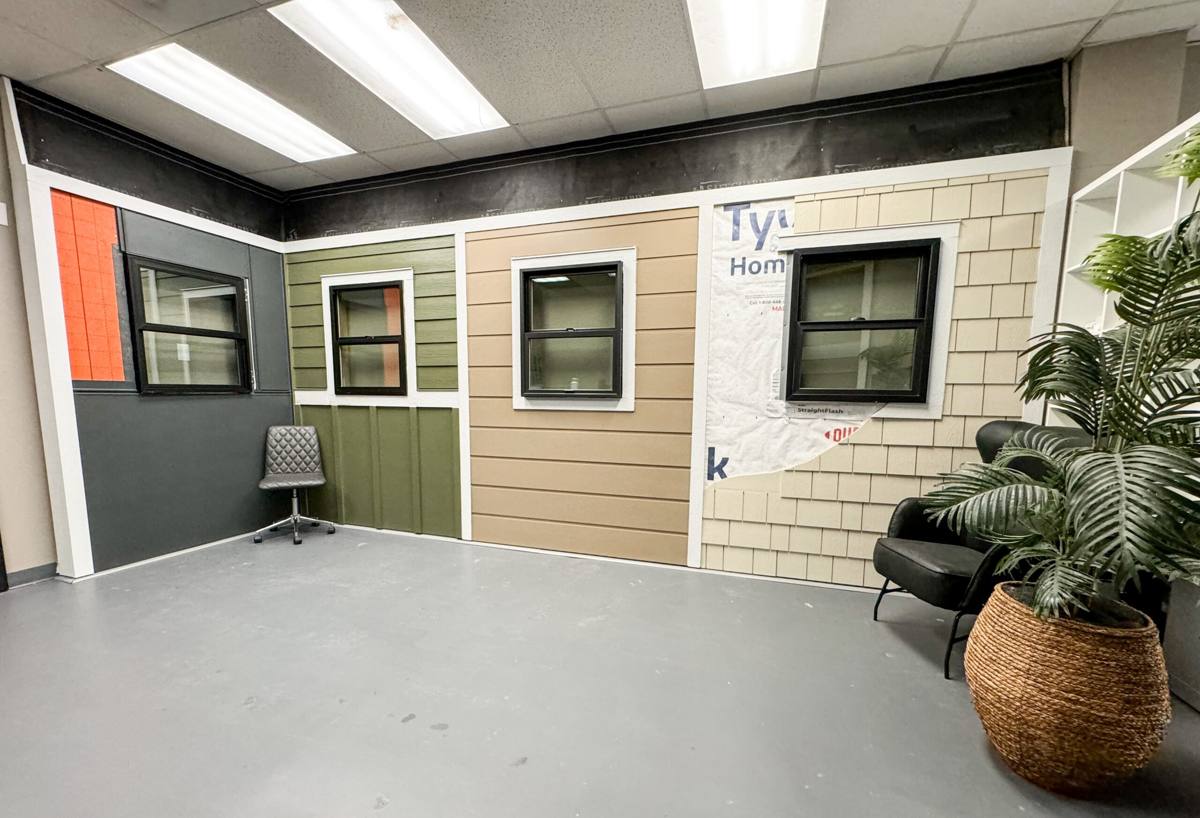
Common Siding Problems We See in Kenneth City
Every neighborhood has its own pattern of wear based on age of housing stock, tree cover, and sun exposure. In and around Kenneth City, the repair calls we get tend to fall into a handful of categories:
- Cracked or split panels from wind impact, temperature swings, or age-related brittleness
- Warping or buckling on sun-facing walls, especially with lower-grade or improperly installed siding
- Soft, spongy siding near the bottom courses, a sign of moisture wicking up from grade or irrigation overspray
- Failed caulking and open seams around windows, doors, and trim where wind-driven rain gets pushed in
- Rot or delamination at butt joints and corners where two pieces of siding meet
- Faded, chalky paint film on older or non-factory-finished siding that's lost its UV protection
- Loose or popped fasteners from repeated wind loading over multiple storm seasons
Some of these are simple fixes. Others are a symptom of a bigger moisture problem hiding behind the wall. Part of doing a repair correctly is knowing which is which before you start patching.
What a Correct Siding Repair Actually Involves
A lot of siding "repair" work in this part of Florida is really just cosmetic patching — caulk over the crack, a dab of paint, call it done. That approach might look fine for a season, but it doesn't address why the siding failed in the first place, and it rarely holds up through another round of Gulf storms. A repair done right starts with diagnosis, not patching.
Step One: Find the Actual Cause
Cracked siding near a window might be impact damage, or it might be a sign that the window flashing was never sealed correctly and the panel has been absorbing water for years. Soft siding at the base of a wall could be a siding problem, or it could be sprinklers hitting the wall every morning. We check moisture levels, look at flashing and house wrap where it's exposed, and inspect the sheathing behind badly damaged sections before deciding on a repair plan.
Step Two: Match the Material Correctly
If your home has fiber cement siding, especially James Hardie, replacement pieces need to match the existing profile, thickness, and exposure so the repaired section lies flush and sheds water the same way the surrounding panels do. Color matching matters too — factory-finished ColorPlus panels have a consistent, baked-on finish that field-painted patches can't perfectly replicate, so we plan repairs at natural break points (corners, trim lines) rather than leaving an obvious mismatched patch in the middle of a wall.
Step Three: Rebuild the Water Management, Not Just the Surface
Siding is one layer of a larger water management system that includes house wrap, flashing, and properly lapped seams. A repair that replaces the visible panel but skips the flashing or seals a seam with the wrong material is a repair that fails again in a year or two. We rebuild the whole assembly at the repair point, not just the part you can see.
Repair or Replace? How We Help You Decide
Not every damaged area needs a full re-side, and not every "repair" is actually cheaper in the long run. The right call depends on how much of the home is affected and what's causing the damage.
| Situation | Usually Repair | Usually Replace |
|---|---|---|
| Damage limited to one or two isolated panels | Yes | No |
| Moisture damage traced to a single flashing failure | Yes | No |
| Widespread warping, buckling, or fading across multiple walls | No | Yes |
| Siding material is discontinued or an exact match isn't available | Sometimes | Often |
| Rot or moisture found in sheathing behind more than a small area | No | Yes |
| Siding is original and near the end of its expected service life | No | Yes |
We'll always tell you honestly when a repair is the right, cost-effective move — and just as honestly when patching a failing system is throwing money at a problem that's going to come back.
How Our Repair Process Works
We keep repair jobs straightforward and disruption-free:
- Inspection and diagnosis — we examine the damaged area and check surrounding sections and the wall assembly behind it, not just the spot you called about.
- Written scope and estimate — you get a clear explanation of what's actually wrong, what we recommend, and what it costs, before any work starts.
- Careful removal — damaged panels and any compromised flashing or house wrap are removed without disturbing sound siding around them.
- Rebuild — flashing and water barrier are corrected first, then new material is installed to match the existing reveal and fastening pattern.
- Finish and inspection — seams, caulking, and paint or color match are finished and checked before we consider the job done.
Because we work in Pinellas County regularly, we're familiar with the permitting and inspection expectations that apply to exterior repair work here, and we handle that as part of the job rather than leaving it for the homeowner to sort out.
Why James Hardie Fiber Cement Repairs Differently
We install and repair James Hardie fiber cement siding exclusively — we don't install vinyl, LP SmartSide, or other engineered wood or composite products. That's a deliberate standard, not a default. Fiber cement is non-combustible, holds up to Florida's UV load without the chalking and fading that plague lower-grade materials, and its HZ5 product line is specifically engineered for the wind and moisture exposure our climate zone sees. When a Hardie panel does need repair, the fix is a like-for-like swap of the same durable material, not a mismatched patch of something softer or more moisture-sensitive.
If your Kenneth City home currently has vinyl, wood, or another fiber cement brand, we can still repair it to a sound, watertight standard. But when a repair area is extensive enough that a full re-side makes more sense, we'll walk you through why James Hardie is what we recommend putting back on the wall — the ColorPlus factory finish, the warranty structure, and the track record of holding up through repeated storm seasons with proper installation.
Why Hiring a Crew That Already Works in Kenneth City Matters
Siding repair isn't just about swapping a damaged board — it's about understanding how a specific home, in a specific climate, is supposed to shed water. A crew that works this area regularly already knows what wind-driven rain does to siding on a west-facing wall, how salt air accelerates fastener corrosion, and which flashing details tend to fail first on Pinellas County homes. That local pattern recognition shortens the diagnosis and reduces the chance of a repair that looks right but fails again next storm season.
It also means faster response. When a storm damages siding, you don't want to wait weeks for an out-of-area crew to schedule a visit — you want the exposed area sealed and repaired before the next round of rain gets behind it.
Simple Maintenance That Prevents Future Repairs
- Rinse siding periodically to remove salt buildup, especially on walls facing prevailing wind
- Redirect sprinklers so they aren't hitting the base of exterior walls
- Re-caulk visibly cracked or shrunken seams around windows and trim before storm season
- Walk the exterior after major storms and note any new cracks, gaps, or soft spots
- Keep shrubs and tree limbs trimmed back from siding to reduce impact damage and trapped moisture
None of these replace a proper inspection, but they reduce how often you'll need one.
If you're seeing cracked panels, soft spots, or storm damage on your Kenneth City home, we're happy to take a look and give you a straight answer on what's actually needed. Fill out the form below for a free, no-pressure estimate.