 Largo Siding
 Why Decks in Seminole Wear Out Faster Than People Expect
Seminole sits close enough to the Gulf and Boca Ciega Bay that salt air is a constant, even a few miles inland. Combine that with Pinellas County's intense year-round UV and the wind-driven rain that comes through during summer storms and hurricane season, and you have a climate that is genuinely hard on outdoor wood and hardware. A deck that might last 20+ years in a drier, cooler part of the country often shows real structural fatigue here in half that time if it wasn't built or maintained correctly for this environment.
The damage rarely shows up as one dramatic failure. It's usually a slow accumulation: fasteners corroding from the inside out, footings shifting after repeated saturation and drying cycles, and boards cupping or splitting from sun exposure that never really lets up. By the time a deck looks bad on the surface, the framing underneath has often been compromised for a while.
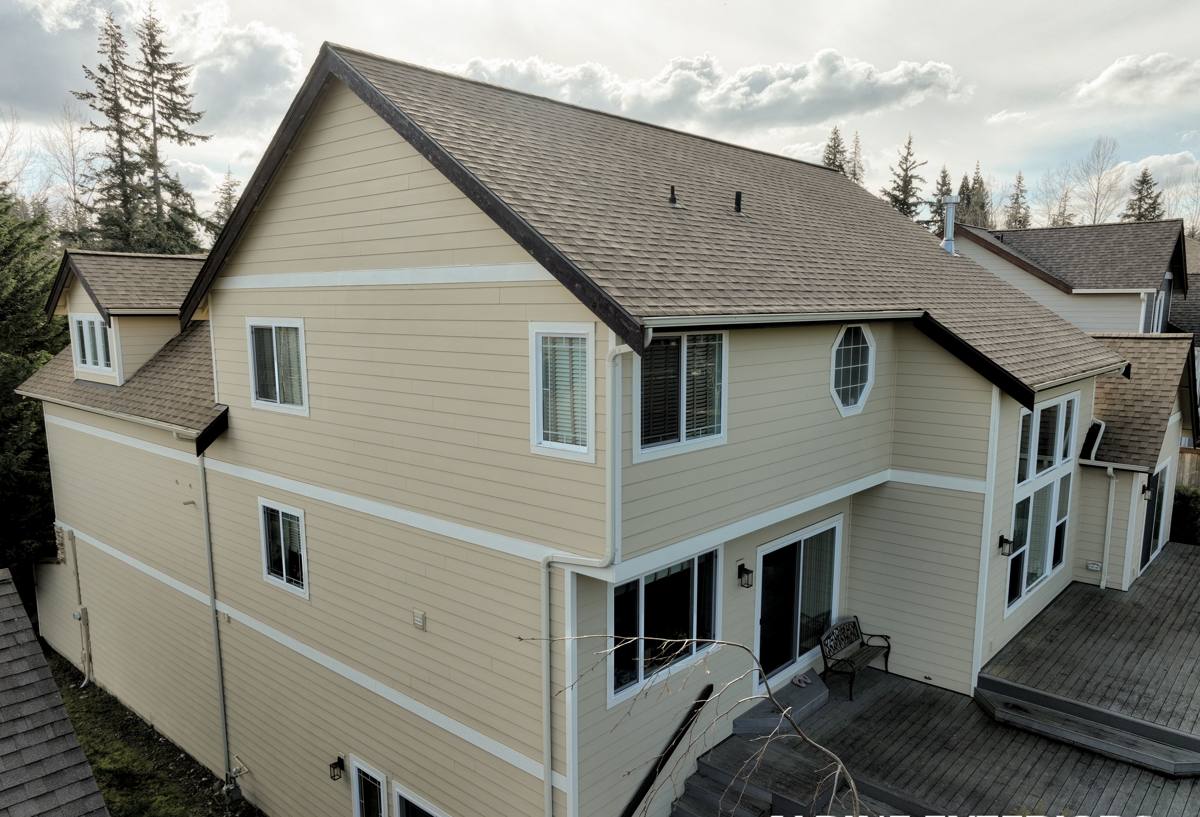
Signs Your Deck Needs Replacing, Not Just Repairing
Not every tired-looking deck needs a full teardown. But there's a point where patching boards is just delaying an inevitable, more expensive job — and in some cases, patching a structurally failing deck is a safety risk. Here's how we tell the difference during an inspection.
- Soft, spongy, or bouncy spots in the decking or framing when you walk across it
- Visible rust streaking or corrosion around fasteners, joist hangers, or ledger bolts
- Gaps or separation where the ledger board meets the house — a common point of water intrusion
- Posts or footings that have shifted, settled, or show cracking at grade level
- Widespread cupping, splintering, or graying that a light sanding and refinish won't fix
- A deck built before current wind-load and attachment code requirements, especially anything original to an older home
If a deck is failing in more than one of these categories, replacement is almost always the more honest recommendation than repair. Repairing surface boards on a frame with corroded connectors or shifted footings just hides the real problem for a season or two.
Choosing the Right Decking Material for Coastal Pinellas County
Material choice matters more here than in most parts of the country, because the combination of UV, humidity, and salt air will find the weak point in whatever you install. There's no single "best" material for every budget and taste, but there are real trade-offs worth understanding before you commit.
| Material | How It Handles Local Climate | Maintenance | Typical Lifespan Here |
|---|---|---|---|
| Pressure-treated wood | Affordable but most vulnerable to UV fading, splitting, and moisture cycling; needs a properly sealed and flashed frame | Annual sealing/staining recommended | 10-15 years with upkeep |
| Composite decking | Resists moisture and salt exposure well; UV-stable colors hold up better than wood, though board temperature can run hot in direct summer sun | Occasional washing, no sealing/staining | 20-25+ years |
| PVC/capped polymer decking | Fully sealed surface handles humidity and salt air with minimal absorption; among the most weather-resistant options for this climate | Low — soap and water | 25-30+ years |
| Aluminum decking | Doesn't rot, warp, or feed moisture into the frame below; performs well near open water but has a distinct look and feel underfoot | Very low | 30+ years |
We install all of these depending on budget, but we're honest about the maintenance burden that comes with the cheaper option. A pressure-treated deck can absolutely be the right call for a homeowner planning to seal it every year — we just want that decision made with the full picture, not after the fact.
What We Don't Recommend, and Why
We're selective about certain composite blends that have historically had moisture-absorption issues in high-humidity climates, and about fastener systems that don't have a strong track record in salt-air environments. That's not a knock on every product in those categories — it's our standard for what we're willing to put our labor warranty behind on a Gulf Coast deck.
What a Correct Deck Replacement Actually Involves
A deck is only as good as what's underneath it. Replacing the visible boards while leaving a compromised frame in place is how decks fail again in a few years. A proper replacement means evaluating and, where needed, rebuilding every layer.
Ledger Board and House Connection
The ledger board — where the deck attaches to the house — is the single most common failure point on older decks and the source of most serious structural incidents nationally. It has to be properly flashed to keep water from tracking behind it into the house framing, and bolted (not just nailed) with hardware rated for the load and exposure.
Footings, Posts, and Framing
Footings need to sit below the frost-irrelevant but still critical local grade and drainage requirements, sized correctly for the soil and the load above them. Joists, beams, and posts get sized to span and spacing requirements — not just "what was there before" — and connected with corrosion-resistant hardware suited to coastal exposure.
Permitting and Local Code
Deck replacement in Seminole and unincorporated Pinellas County typically requires a permit and inspection, and for good reason — this is exactly the kind of structure where skipping inspections shows up later as a safety issue. We pull the permits, schedule the inspections, and build to current code rather than just matching what was there, which matters most on decks over a certain height or size, or attached to a home near the water.
Our Deck Replacement Process
- On-site inspection — we check the ledger, framing, footings, and decking to determine what's actually salvageable versus what needs to come out
- Honest scope and estimate — a clear breakdown of what's being replaced, in what material, and why, with no pressure to upsell beyond what the structure needs
- Permitting — we handle the paperwork and schedule required inspections through the local building department
- Demolition and disposal — full teardown of the old structure, hauled off the property
- Framing rebuild — new ledger connection, footings, posts, and joists built to current code and wind-load standards
- Decking installation — boards, fasteners, and finish installed per the manufacturer's specifications for the material chosen
- Final walkthrough and inspection sign-off — we confirm everything passes and walk the finished deck with you before calling the job done
Built to Handle Storm Season
Hurricane season isn't a once-in-a-while concern here — it's a design input. A deck built for Seminole needs attachment hardware and framing connections rated for the wind exposure this area actually sees, not the minimum that happens to pass in a calmer climate. We also pay close attention to drainage under and around the deck; standing water after wind-driven rain is what accelerates rot and corrosion long after the storm has passed.
Railings and stair connections get the same scrutiny. These are often the first thing to fail in high wind because they act like a sail, and a loose railing is both a structural weak point and a safety hazard.
Maintaining Your New Deck in Salt Air and Sun
Whatever material you choose, a little seasonal attention goes a long way in this climate:
- Rinse salt residue and debris off the deck surface periodically, especially after storms
- Check railings, stairs, and ledger connections once or twice a year for looseness or corrosion
- Keep gutters and downspouts nearby clear so runoff isn't dumping extra water onto or under the deck
- If you chose pressure-treated wood, stay on top of the sealing schedule — this is the single biggest factor in how long it lasts here
- Trim back vegetation that keeps the deck surface shaded and damp for long stretches, which encourages mold and accelerates wood breakdown
Why Hire a Crew That Already Works in Seminole
Local experience isn't just marketing language on a deck job — it changes real decisions. A crew that's worked in and around Seminole knows what the Pinellas County permitting process actually requires, understands how exposed a given lot is to wind and salt based on its distance from open water, and has seen firsthand which fastener and framing choices hold up here versus which ones show corrosion in a few short years. That's the kind of knowledge that shows up in the details — the ledger flashing, the hardware grade, the footing depth — long before it would ever show up as a warranty claim.
Questions Worth Asking Any Deck Contractor
- Will you pull the permit and schedule the required inspections, or is that left to me?
- What fastener and hardware grade are you using, and is it rated for coastal/salt-air exposure?
- How are you handling the ledger board flashing and connection to the house?
- What's your process if you find rot or corrosion in the framing once demo starts?
- Is your estimate itemized enough that I can see what's structural versus cosmetic?
If your deck is showing its age, or you're just not sure whether it needs a repair or a full replacement, we're happy to take a look and give you a straight answer. Fill out the form below for a free, no-pressure estimate — we'll walk the deck with you and explain exactly what we're seeing and why.