 Largo Siding
 Roofing Built for Oldsmar's Climate, Not a Generic Spec Sheet
Oldsmar sits along Tampa Bay in northern Pinellas County, which means homes here take a different kind of beating than roofs a few counties inland. You're dealing with hurricane-force wind gusts during tropical systems, intense year-round UV that most of the country never sees, wind-driven rain that finds every weak seam, and salt-laden air rolling off the bay that accelerates corrosion on fasteners, flashing, and vents. A roof replacement here isn't just "put new shingles on an old house" — it's an engineering decision about what will actually hold up under Pinellas County conditions for the next 20-30 years.
Largo Siding Company works throughout Pinellas County, and Oldsmar's mix of housing stock — from older ranch homes to newer construction near the water — means we see a wide range of roofs that were built to a code standard that no longer matches today's wind and moisture realities. A correct replacement addresses that gap directly instead of just matching what was there before.
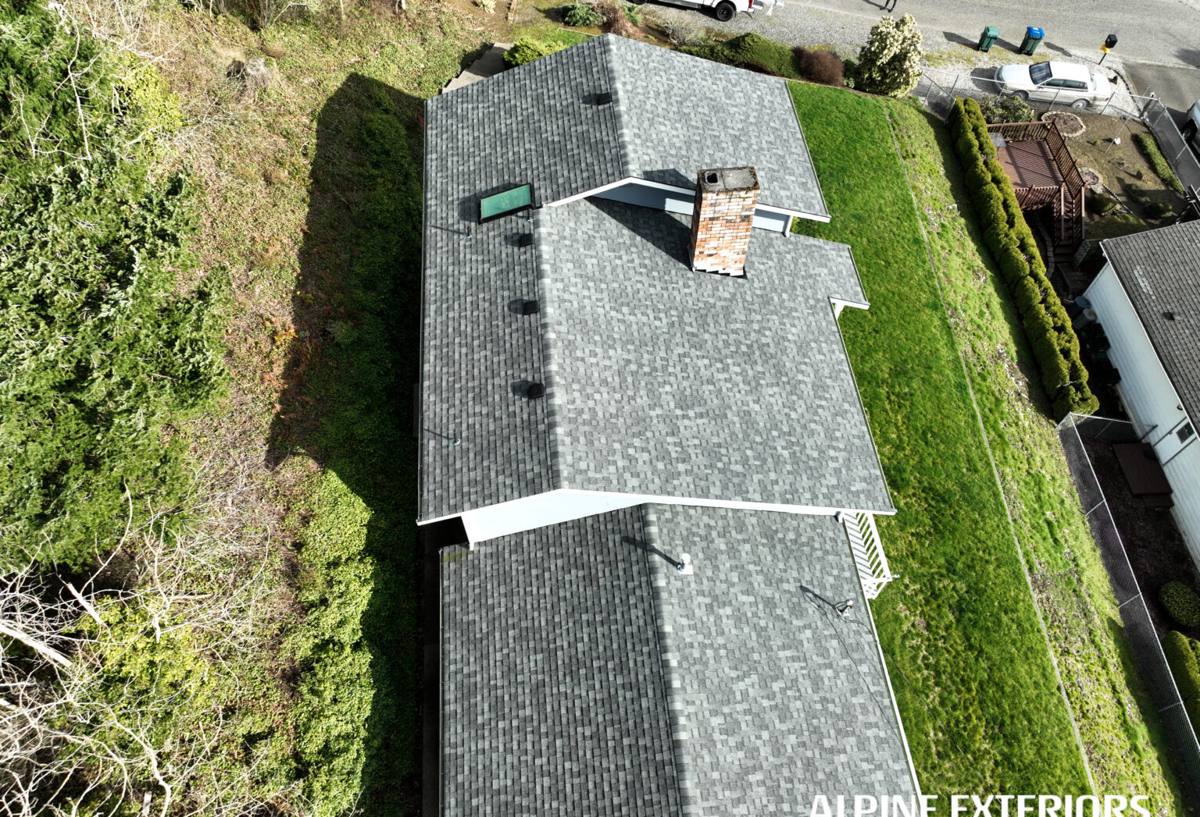
What Oldsmar Homes Actually Need From a New Roof
Wind Resistance That Matches Real Storm Exposure
Oldsmar's proximity to Tampa Bay means wind loading isn't theoretical. A proper replacement uses roofing materials rated for high-velocity hurricane zones, correctly nailed (not stapled) per manufacturer specification, with enhanced fastening patterns at ridges, hips, and roof edges where uplift pressure is highest. This is where a lot of underpriced re-roofs fail — not because the shingle was bad, but because the installation crew didn't follow the wind-rated nailing pattern that lets the shingle perform to its actual rating.
UV and Heat Resistance
Florida sun degrades roofing material from the surface down. Asphalt shingles lose their granules and oils over time from UV exposure, which is why algae-resistant, high-UV-tolerance shingle lines matter more here than in northern climates. Underlayment matters too — a synthetic underlayment rated for high heat performs far better under Florida attic temperatures than older felt products.
Moisture Management
Wind-driven rain during summer storms and tropical systems pushes water sideways, not just down. That means flashing details — around chimneys, skylights, sidewalls, and roof-to-wall transitions — carry as much weight as the field shingles themselves. A roof can have premium shingles and still leak in a storm if the flashing and underlayment details were rushed.
Corrosion Resistance
Salt air off Tampa Bay accelerates rust on exposed metal. Roofing nails, drip edge, flashing, and vent boots all need to be rated for coastal exposure — galvanized or better, not bare or under-coated metal that starts showing rust streaks within a couple of years.
Signs an Oldsmar Roof Needs Replacement, Not Another Repair
- Granule loss showing as bald or shiny patches on shingles, especially on the south and west-facing slopes that take the most sun
- Curling, cupping, or cracked shingles — a sign the material has aged past its flexible lifespan
- Soft spots or sagging in the roof deck when walked or inspected from the attic
- Daylight visible through the roof boards from inside the attic
- Repeated leaks in different spots after storms, rather than one isolated failure point
- Missing or lifted shingles after wind events, particularly along ridges and edges
- Roof age at or beyond 20 years for asphalt shingle, or visible wear well before that if ventilation has been poor
- Rising energy bills tied to attic heat gain, which often points to failing insulation or ventilation at the roof level
If you're seeing two or more of these, it's worth a real inspection before you spend more money patching a roof that's telling you it's done.
What a Correct Roof Replacement Involves
Tear-Off and Deck Inspection
We remove the existing roofing down to the deck rather than layering over old material — layering hides problems and voids most manufacturer warranties. Once the deck is exposed, we inspect every sheet of plywood or OSB for rot, delamination, or soft spots, particularly around old flashing points and areas that have seen past leaks. Any damaged decking gets replaced before anything new goes down; this is not an area to cut corners in a coastal climate.
Underlayment and Water Barrier
A synthetic underlayment goes down across the full deck, with self-adhering ice-and-water barrier-style membrane at vulnerable points — eaves, valleys, and roof penetrations — even though we don't deal with ice here, that same membrane is what stops wind-driven rain from working its way under the field material during a tropical system.
Flashing and Penetration Details
New flashing goes in at every chimney, skylight, sidewall, and vent pipe. This is the step that separates a roof that survives its first big storm from one that doesn't, and it's also the step most commonly rushed by crews trying to move fast.
Field Material Installation
Shingles, tile, or metal panels go down per manufacturer's high-wind nailing or fastening specification — not a generic pattern. This is what actually earns the wind rating printed on the product packaging.
Ventilation Check
We evaluate intake and exhaust ventilation as part of the job. A roof that isn't ventilated correctly runs hotter, ages faster, and can trap moisture in the attic — all of which shortens the life of the very roof you just paid for.
Final Inspection and Cleanup
Every replacement ends with a full walk of the roof, magnetic sweep of the yard and driveway for stray nails, and a final review with the homeowner before we consider the job closed.
Comparing Common Roofing Options for Oldsmar Homes
| Material | Wind Performance | Typical Lifespan | Maintenance Notes |
|---|---|---|---|
| Architectural asphalt shingle | Strong when rated and installed to spec for high-wind zones | 20-30 years | Periodic inspection after storms; most common and cost-effective option locally |
| Metal roofing | Excellent uplift and wind resistance | 40-50+ years | Higher upfront cost; coastal-grade fasteners and coatings needed to resist salt corrosion |
| Concrete or clay tile | Very good when properly fastened; heavy | 40-50+ years | Requires structural check for weight; individual tiles can crack and need replacement over time |
| 3-tab asphalt shingle | Lower wind rating than architectural shingle | 15-20 years | We generally don't recommend this tier for direct coastal exposure given the wind and UV load Oldsmar sees |
There's no universally "best" material — the right call depends on your roof structure, budget, and how long you plan to be in the home. We'll walk through the honest trade-offs for your specific roof rather than pushing one product line.
Cost Factors Homeowners Should Understand
Roof replacement cost in Oldsmar varies based on a handful of real factors, not just square footage:
- Roof size and pitch — steeper roofs take longer and require more safety setup
- Number of layers to remove — tear-off of multiple old layers adds labor and disposal cost
- Deck condition — rotted or delaminated plywood found during tear-off means replacement sheets, which is an added but necessary cost
- Material choice — asphalt, metal, and tile carry very different price points
- Roof complexity — valleys, dormers, chimneys, and skylights all add flashing work
- Permitting — Pinellas County and local jurisdiction permitting and inspection fees apply to any full roof replacement
We provide a written, itemized estimate before any work starts so you know exactly what you're paying for and why — no vague lump-sum numbers.
Why Hiring a Crew That Already Works in Oldsmar Matters
Roofing crews unfamiliar with the Tampa Bay area sometimes apply generic installation standards that don't account for local wind exposure, salt air, or the way Pinellas County inspectors expect flashing and fastening details to be documented. A crew that regularly works Oldsmar and the surrounding Pinellas County communities knows the permitting process, understands which details local inspectors check closely, and has already seen how different materials perform against real hurricane seasons here — not just in a lab test.
That local track record also matters after the sale. Manufacturer and workmanship warranties are only as good as the contractor standing behind them, and a company with roots in the area isn't going anywhere after the invoice is paid.
Our Process, Start to Finish
- Free on-site inspection and honest assessment of whether you need repair or full replacement
- Written, itemized estimate with material options explained in plain language
- Permitting handled on your behalf with the appropriate local jurisdiction
- Tear-off, deck inspection, and any necessary deck repair
- Underlayment, flashing, and field material installation to manufacturer high-wind specification
- Final walkthrough, cleanup, and warranty paperwork
We keep you informed at each stage rather than disappearing until the job is "done" — you'll know what's happening on your roof and why.
Get a Straight Answer About Your Roof
If your Oldsmar roof is showing its age, took a hit in a recent storm, or you just want an honest second opinion before you spend money, we're glad to take a look. Fill out the form below for a free, no-pressure estimate — we'll tell you what we actually see, not just what sells a job.