 Largo Siding
 Roof Repair Built for Safety Harbor's Weather, Not Just the Symptom
Safety Harbor sits close enough to Old Tampa Bay that its homes take a specific kind of beating: salt-laden air off the water, brutal summer UV, sudden wind-driven downpours, and the occasional direct hit from hurricane-force wind. A roof repair here has to account for all of that at once, not just patch the spot where water showed up inside the house. We work Safety Harbor regularly as part of our broader Largo and Pinellas County service area, and the repairs we do reflect what actually fails on roofs in this specific stretch of the Gulf Coast — not a generic checklist written for a drier, calmer climate.
This page is about one job: roof repair for Safety Harbor homes. Not a full re-roof, not general exterior work — the specific, correct process for finding and fixing a roof problem so it stays fixed through the next storm season.
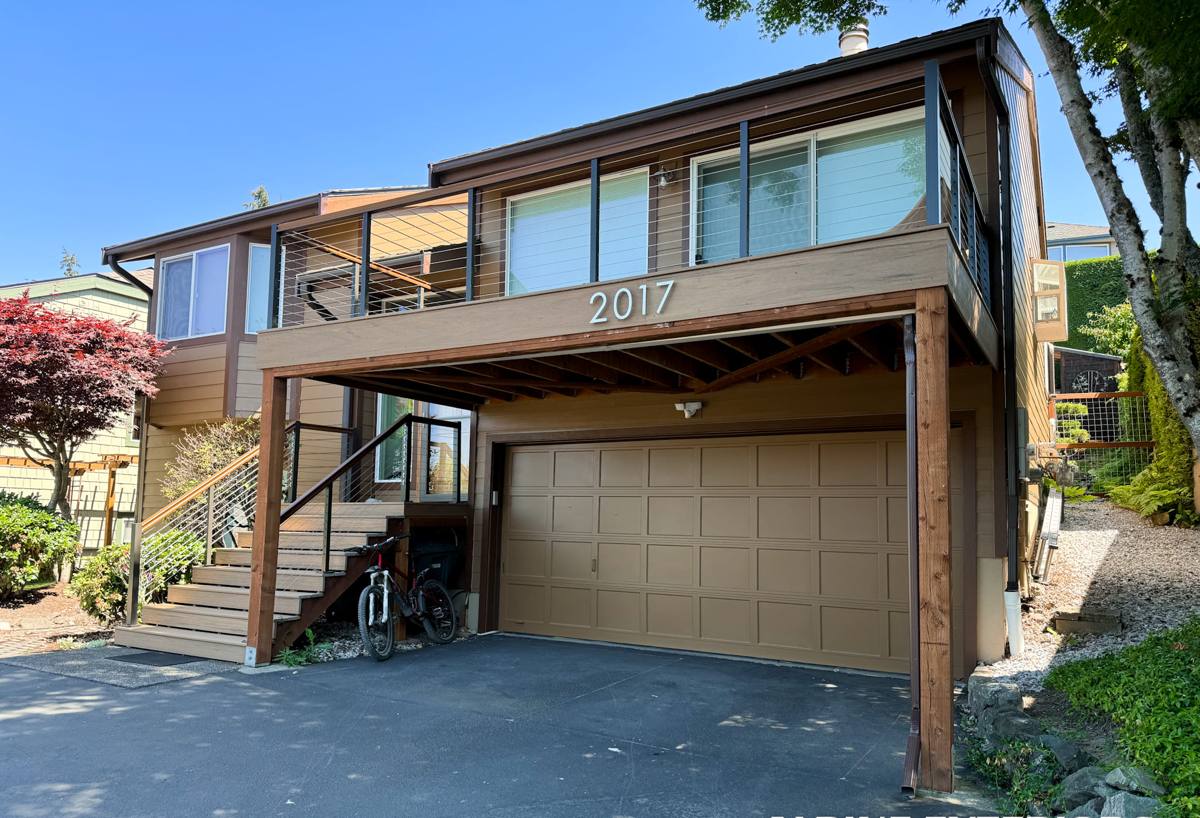
What Pinellas County's Climate Does to a Roof Over Time
Every roofing material sold today is rated to handle Florida weather on paper. In practice, the combination of factors Safety Harbor sees year-round wears roofs down faster than the same materials would age in most of the country.
Hurricane-Force Wind
Wind doesn't just tear shingles off in a storm — it works flashing loose, lifts shingle tabs at the edges and ridges over repeated events, and drives rain sideways under laps that were never designed to shed water from that angle. A roof can look intact after a windstorm and still have compromised seals that leak weeks or months later.
Intense, Year-Round UV
Central Florida sun breaks down asphalt shingle granules and dries out sealant strips faster than in cooler climates. UV exposure is cumulative — a roof that's 12-15 years old here has absorbed more sun damage than a 20-year-old roof in a milder region, even if it still looks fine from the street.
Wind-Driven Rain
Straight-down rain is easy for a roof to handle. Rain pushed sideways by wind finds every gap in flashing, every under-driven nail, and every spot where a shingle tab has lifted even slightly. Most of the "mystery leaks" we're called out for in Safety Harbor trace back to wind-driven rain finding a weak point that a calm-weather inspection would never catch.
Salt Air
Proximity to the bay means airborne salt settles on metal flashing, fasteners, and vents. Left unaddressed, that accelerates corrosion on exactly the components that keep water out at penetrations — pipe boots, chimney flashing, valley metal. A repair that ignores corroding metal is a repair that fails again within a year or two.
The Roof Problems We See Most in Safety Harbor
- Lifted or missing shingles along ridges, hips, and roof edges — the areas that take the most direct wind load
- Cracked or pulled pipe boots where rubber gaskets around plumbing vents dry out and split from UV exposure
- Failed flashing at chimneys, walls, and roof-to-roof transitions, often loosened by wind cycling over multiple seasons
- Granule loss on aging asphalt shingles, leaving the underlying mat exposed to sun and moisture
- Valley leaks where wind-driven rain overwhelms metal or shingle valleys that weren't properly lapped
- Nail pops and fastener backout from thermal cycling between hot afternoons and cooler nights
- Soft or discolored decking discovered once a shingle repair is opened up, signaling a leak has been active longer than the visible symptom suggested
What a Correct Roof Repair Actually Involves
A lot of roof "repairs" are really just cover-ups — a bead of sealant over a visible crack, a shingle nailed back down without checking what's underneath. That approach hides a problem instead of fixing it, and on a Safety Harbor roof exposed to this much wind and rain, it rarely holds through the next hard storm.
A correct repair starts with finding the actual entry point, which is often not where the interior stain or drip appears. Water travels along decking and framing before it shows itself inside, so a repair that only addresses the visible spot frequently misses the real source.
What we check on every repair call
- The condition of the decking underneath the damaged area — soft or delaminated decking has to be addressed, not covered
- Flashing at every nearby penetration and transition, not just the one that's obviously failed
- Whether surrounding shingles or roofing material have enough life left to tie the repair in properly
- Fastener condition and pattern in the repair zone
- Attic or interior signs of a leak path that doesn't match the exterior damage location
We also match materials as closely as possible to what's already on the roof. A repair using mismatched shingle profiles, colors, or metal types stands out and, more importantly, can create a seam that behaves differently in wind and rain than the surrounding roof.
Our Roof Repair Process
- Inspection and diagnosis. We get on the roof (and in the attic when needed) to trace the actual leak path, not just look at the visible damage.
- Honest scope and estimate. We tell you what needs to be fixed and why, including if we find the roof is closer to needing full replacement than a repair — that's a real trade-off worth knowing before work starts.
- Repair the source, not just the symptom. That means replacing compromised decking if we find it, not just shingles.
- Flashing and penetration check. Every flashing point near the repair gets inspected and resealed or replaced as needed, since a fresh shingle repair next to failing flashing just moves the leak.
- Material match and tie-in. Repairs are integrated into the existing roof system properly lapped and fastened for wind resistance, not just laid over the top.
- Final walk-through. We show you what was found and what was done before we consider the job finished.
Repair vs. Replacement — How We Help You Decide
Not every roof problem needs a full replacement, but not every leak should be patched forever either. Here's the honest way we think through it:
| Factor | Leans Toward Repair | Leans Toward Replacement |
|---|---|---|
| Roof age | Under roughly 12-15 years, materials still have usable life | Nearing or past the expected lifespan of the material |
| Extent of damage | Isolated to one section or a few penetrations | Widespread granule loss, multiple leak points, or storm damage across large areas |
| Decking condition | Solid decking found under the damaged area | Soft, delaminated, or repeatedly repaired decking |
| Leak history | First occurrence or a clear, single cause | Recurring leaks in different spots — a sign of overall wear |
| Insurance/storm claim | Damage is localized and outside claim thresholds | Documented wind or hail event with adjuster involvement |
We'll always tell you honestly which side of that table your roof falls on rather than defaulting to whichever job is bigger.
Materials We Work With
Most Safety Harbor homes we repair are asphalt shingle or tile roofs, with some metal roofing mixed in. For repairs, we prioritize matching the existing material and profile so the fix blends in and performs consistently with the rest of the roof.
When a section is beyond a clean repair — badly weathered tile, shingles that have lost enough granules that new shingles won't seal reliably against them, or flashing systems that are simply worn out from years of salt exposure — we'll say so plainly and lay out the honest trade-offs of patching versus replacing that section, including what it costs to maintain a partial repair versus doing it right the first time.
Why a Crew That Already Works Safety Harbor Matters
Roofing problems in this part of Pinellas County aren't generic. A crew that mostly works inland, drier climates will diagnose a Safety Harbor roof the same way they'd diagnose one anywhere else — and miss the salt corrosion on flashing fasteners, or underestimate how much wind-driven rain has traveled under a lifted shingle tab.
Working this area regularly means we know what tends to fail first on local roofs, what local permitting and inspection expectations look like, and how to schedule around the weather patterns that actually affect the work — not squeezing a repair in between rain bands that roll in off the bay most afternoons in summer.
What to Look for in a Roof Repair Contractor
- Proper licensing and insurance for roofing work in Florida
- A written estimate that explains what's being repaired and why, not just a total price
- Willingness to show you the actual damage found, including anything under the shingles
- Straight talk about repair versus replacement, without pushing the bigger job by default
- Familiarity with local wind and moisture conditions, not a one-size-fits-all approach
Simple Checklist: Signs Your Safety Harbor Roof Needs a Repair Call
- Water stains on interior ceilings or walls, especially after a windy rainstorm
- Visible missing, cracked, or curling shingles from the ground
- Granules collecting in gutters or at downspout outlets
- Daylight visible through the attic roof deck
- Soft spots noticed when walking near the attic access or on the roof itself
- Cracked or shrunken pipe boots and vent seals
- Rust staining or visibly deteriorating metal flashing
- A roof that's taken a direct hit from a recent storm, even with no obvious interior leak yet
If any of these sound familiar, it's worth having someone look before the next storm system moves through — small issues on a Safety Harbor roof rarely stay small once wind-driven rain finds them.
If you're dealing with a leak, storm damage, or just want an honest look at where your roof stands, we're happy to come out to your Safety Harbor property for a free, no-pressure estimate. Use the form below to get started.