 Largo Siding
 Why Redington Beach Decks Wear Out Faster
Redington Beach sits right on the Gulf, and that barrier-island location is exactly what makes deck repair here a different job than deck repair a few miles inland in Largo. Salt-laden air moves through the wood and metal in your deck every single day, not just during storms. Add in Pinellas County's intense year-round UV exposure, frequent wind-driven rain, and the occasional hurricane-force wind event, and you have a structure that ages on a compressed timeline compared to decks in drier, less coastal climates.
None of this means a deck can't last. It means the materials, fasteners, and repair methods have to be chosen with the coastal environment in mind, not just whatever is fastest or cheapest. That's the standard we hold every Redington Beach repair to.
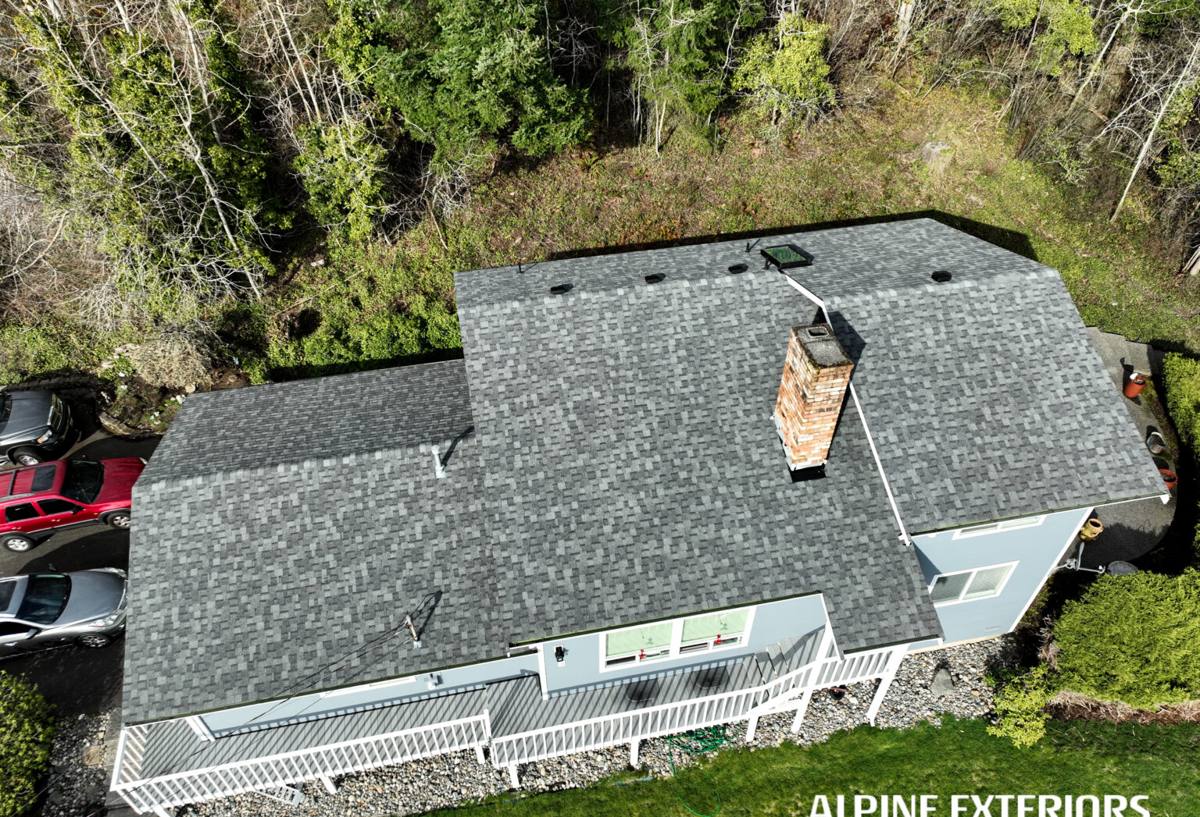
The Damage Patterns We See Most Often on the Beach
Fastener and Hardware Corrosion
Salt air accelerates corrosion on nails, screws, and structural connectors far faster than it does even a mile or two inland. We regularly find decks where the boards look fine but the fasteners holding them down have rusted, weakened, or backed out. Corroded joist hangers and ledger bolts are a bigger safety concern than most homeowners realize, because the damage is hidden underneath the deck surface.
Wood Rot at Connection Points
Wind-driven rain doesn't just fall straight down — it gets pushed sideways and up under railings, around post bases, and into the ledger board where the deck attaches to the house. Those are the spots we find soft, rotted wood most often, even on decks that look structurally sound from a casual glance.
Composite and PVC Board Issues
Composite decking resists rot, but it isn't immune to coastal wear. Intense UV exposure can fade and, over years, embrittle some composite boards, while trapped moisture underneath can still cause the internal core to swell or delaminate at cut ends and fastener points that weren't properly sealed during the original install.
Railing and Post Movement
Hurricane-force wind events put lateral load on railings and posts that most decks were never explicitly engineered for. Loose posts, wobbly railings, and cracked post bases are common after a rough storm season, even when the rest of the deck structure is fine.
Signs Your Deck Needs Repair Now
Some warning signs are obvious. Others hide in plain sight until someone knows what to look for. Use this checklist as a starting point before you decide whether you're dealing with a minor fix or something more serious:
- Soft or spongy spots when you walk across the decking
- Visible rust streaks around screws, bolts, or metal connectors
- Gaps or movement where the deck meets the house (ledger board)
- Railings or posts that flex or wobble under hand pressure
- Boards that are cupping, splitting, or visibly graying and losing their protective coating
- Fasteners that have backed out or are visibly loose
- A musty smell or visible mold underneath the deck
- Stairs that feel less solid than they used to
If you're seeing more than one or two of these, it's worth having someone look underneath the deck, not just at the surface boards.
Repair vs. Replacement: How We Make the Call
Not every deck problem means starting over, and we don't push full replacements when a targeted repair will genuinely hold up. The honest answer usually comes down to what's happening at the structural level versus the surface level.
Surface-level wear — faded boards, minor splitting, a handful of loose fasteners — is almost always repairable. Structural issues are a different conversation. If the ledger board is rotted where it attaches to the house, if multiple joists have failed, or if the support posts have deteriorated below grade, patching around those problems usually isn't the responsible move. We'll tell you plainly which category your deck falls into and why, rather than defaulting to whichever answer is more profitable for us.
What a Correct Deck Repair Actually Involves
A repair that's built to hold up on the beach goes well beyond swapping a few bad boards. Here's what we check and address on every job:
- Structural inspection first. We check the ledger board attachment, joists, beams, and posts before touching the surface decking. Cosmetic repairs over a compromised structure don't fix anything — they just hide the problem.
- Ledger flashing and moisture control. The ledger board is one of the most common failure points on any deck attached to a house, and it's especially vulnerable here given the wind-driven rain that gets pushed against exterior walls. Proper flashing keeps water from tracking behind it.
- Fastener upgrades. If we find standard or corroded hardware, we replace it with coastal-grade stainless steel or properly rated hot-dip galvanized fasteners suited for salt air exposure, not the lighter-duty hardware sometimes used in non-coastal builds.
- Board-by-board assessment. Every board gets checked individually. We replace what's actually failing rather than assuming the whole deck surface needs to come off.
- Railing and post reinforcement. Given the wind loads a Gulf-front property deals with, railing and post connections get extra attention, not just a visual check.
Repair Approach by Decking Material
The right repair method depends heavily on what your deck is built from. Here's how the common options compare when it comes to coastal repair work:
| Material | Common Coastal Issues | Repair Approach | Ongoing Maintenance |
|---|---|---|---|
| Pressure-treated wood | Rot at connection points, fastener corrosion, splitting from UV/moisture cycling | Section replacement, hardware upgrade, re-sealing exposed cuts | Higher — needs periodic sealing and inspection |
| Composite decking | UV fading, core swelling at unsealed cuts, fastener pull-through | Board replacement, resealing cut ends, hidden-fastener system checks | Lower surface maintenance, but structural framing below still needs inspection |
| PVC decking | Expansion/contraction gaps, fastener spacing issues in heat cycling | Gap correction, fastener pattern adjustment, panel replacement as needed | Low — mainly periodic cleaning and hardware checks |
| Underlying wood framing (any surface type) | Rot, corrosion, ledger separation regardless of surface material | Structural repair or sistering of joists, ledger reflashing, connector replacement | Requires inspection every few years even if the surface looks fine |
Notice that the last row applies no matter what your surface decking is made from. A beautiful composite deck surface sitting on a corroded or rotted wood frame is still an unsafe deck — the framing underneath is where coastal damage does the most real harm.
Why Fastener Choice Matters More Here Than Almost Anywhere Else
This is worth its own section because it's the detail most often skipped in a rushed repair. Standard electro-galvanized fasteners that hold up fine in an inland climate can start corroding within a few years in a salt-air environment like Redington Beach. Mixing incompatible metals — for example, certain aluminum components in direct contact with the wrong grade of steel hardware — can also trigger galvanic corrosion that eats away at connectors faster than normal weathering ever would.
Our standard for coastal repairs is stainless steel or marine-rated hardware sized and spaced to the manufacturer's specifications for the decking material in use. It costs more upfront than generic hardware, but replacing fasteners is a fraction of the cost of repairing structural damage caused by hardware failure.
Our Repair Process for Redington Beach Homes
We keep the process straightforward because homeowners deserve to know exactly what's happening to their deck and why:
- On-site inspection of the full deck structure — surface, framing, ledger, posts, and hardware
- A plain-language explanation of what we find, including photos of anything hidden underneath
- A written estimate that separates repair scope from any optional recommendations
- Repair work using coastal-appropriate materials and fasteners matched to your existing deck or your material choice for the repaired sections
- A final walkthrough so you can see and understand exactly what was done
We don't upsell a full rebuild when a repair is the honest answer, and we don't patch over a structural problem to save time. Both of those shortcuts tend to cost homeowners more down the road.
Permits and Local Considerations
Deck repair work in Pinellas County can require permitting depending on the scope of the job, particularly for structural repairs involving framing, footings, or railing systems. Coastal construction standards in this part of Florida also account for wind load requirements that are stricter than in many inland areas. We handle the paperwork side of permitted repairs as part of the job so you're not left navigating that process on your own.
Why Local Experience in Redington Beach Matters
A deck repair crew that mainly works inland properties may not think twice about using standard hardware or skipping extra flashing detail — because in a drier, less corrosive environment, those shortcuts don't show up as quickly. On a Gulf-front property, they show up in a few years as rust stains, soft boards, and loose railings. Working regularly in Redington Beach and along the rest of the Pinellas County coastline means we already know where salt air and wind-driven rain cause damage first, and we build every repair around that reality instead of learning it the hard way on your deck.
If your deck is showing any of the warning signs above, or you just want an honest opinion on its condition, we're happy to take a look. Reach out for a free, no-pressure estimate using the form below.