 Largo Siding
 Siding Built for a Barrier Island, Not Just a Florida Zip Code
Indian Rocks Beach sits in a different exposure category than most of Pinellas County. Homes here take a steady diet of salt-laden air off the Gulf, direct wind-driven rain during summer storms, and some of the harshest year-round UV load in the continental United States. Add the wind speeds that come with a direct or near-direct hurricane track, and you have a siding environment that punishes shortcuts fast. A product or installation detail that holds up fine a few miles inland in Largo can fail years earlier a few blocks from the beach.
We install fiber cement siding on homes across the Largo area, and Indian Rocks Beach jobs get evaluated differently from the start. Wind load calculations, fastening schedules, and moisture management all get tightened up for the barrier island. This page walks through what that actually means in practice.
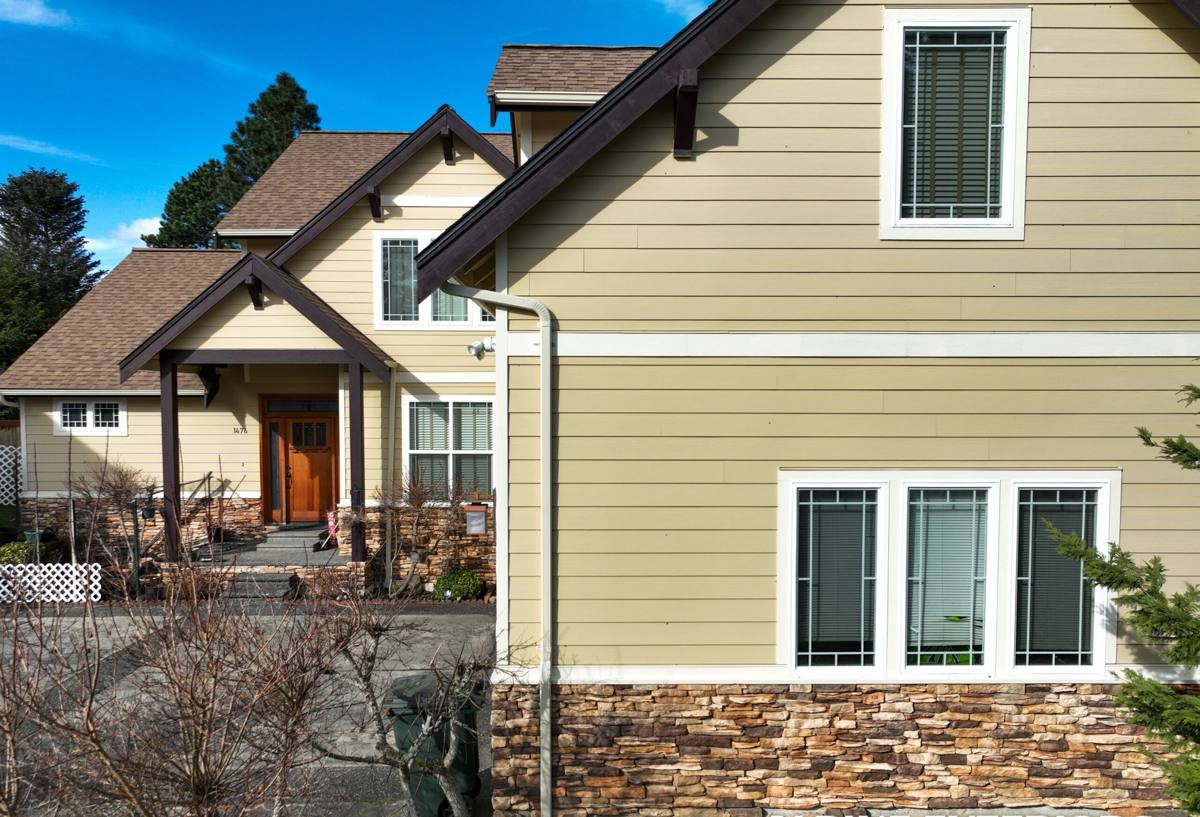
What Salt Air, Sun, and Wind Actually Do to a House
Salt Air
Airborne salt is corrosive and hygroscopic — it pulls moisture out of the air and holds it against whatever surface it lands on. Over years, that constant damp-salt cycle accelerates corrosion on exposed fasteners, degrades caulk and sealants faster than manufacturer charts predict, and speeds up the breakdown of finishes not engineered for coastal exposure.
UV Exposure
Florida sun is intense nearly every day of the year. Paint films chalk, fade, and lose adhesion faster here than almost anywhere else in the country. A siding finish that isn't factory-baked to withstand this exposure will need repainting on a shorter cycle than the homeowner was told to expect.
Wind and Wind-Driven Rain
Pinellas County sits squarely in hurricane country, and Indian Rocks Beach's open Gulf exposure means wind loads run higher than they do further inland. Wind doesn't just threaten to pull siding off the wall — it drives rain sideways and forces water up and behind lap joints, seams, and trim that aren't detailed to handle it. Most siding failures we see on the beach aren't storm-blowoff; they're slow water intrusion behind panels that were never properly flashed or gapped in the first place.
Why We Only Install James Hardie Fiber Cement Here
We made a deliberate decision as a company to install James Hardie fiber cement exclusively — not vinyl, not LP SmartSide, not Cemplank or Allura, not primed wood. That's not a marketing position; it's a response to what actually holds up under Pinellas County coastal conditions.
Fiber cement is a blend of cement, sand, and cellulose fiber. It doesn't rot, it isn't a food source for insects, and it's non-combustible — a real factor in a state where wildfire and ember exposure are part of the insurance conversation. James Hardie backs its ColorPlus factory finish with a baked-on, multi-coat process engineered specifically to resist UV fade and hold color longer than field-applied paint. For a house exposed to Florida sun every single day, that finish durability is the difference between repainting every five to seven years and going considerably longer between touch-ups.
James Hardie also engineers regional product formulations under its HardieZone system, with an HZ10 formulation built specifically for high-moisture, high-humidity climates like ours. That's a meaningful distinction — not every fiber cement product on the market is formulated the same way for coastal Florida humidity.
| Factor | Fiber Cement (James Hardie) | Vinyl Siding | Untreated/Primed Wood |
|---|---|---|---|
| Wind resistance | High when installed to fastening spec | Prone to cracking and blow-off in high gusts | Moderate; depends on substrate condition |
| Salt air / moisture behavior | Does not rot; engineered HZ10 formulation for humid climates | Doesn't rot but seams and fasteners degrade; can warp in heat | Absorbs moisture, prone to rot without diligent upkeep |
| UV / fade resistance | Factory ColorPlus finish resists chalking and fade | Fades and can become brittle over time | Field paint fades faster in intense UV, needs frequent recoats |
| Fire performance | Non-combustible | Combustible, can melt/deform | Combustible |
| Typical maintenance cycle | Repaint/recaulk on a long cycle if factory finish is intact | Low upkeep but limited repair options once damaged | Frequent repainting and rot inspection |
What Correct Installation Actually Requires on the Beach
Fiber cement siding is only as good as the installation behind it. Most of the coastal siding failures we're called to inspect trace back to installation shortcuts, not the material itself. On Indian Rocks Beach projects, we pay particular attention to:
Fastening for Wind Load
Fastener type, spacing, and embedment depth need to match the wind zone the home actually sits in — not a generic inland schedule. Corrosion-resistant fasteners are mandatory this close to the Gulf; standard fasteners will corrode and lose holding strength well before the siding itself wears out.
Water Management Behind the Panel
A correctly installed weather-resistive barrier, proper flashing at every window, door, and penetration, and the manufacturer-specified gap between siding and abutting trim or roofing all matter more here than almost anywhere else in the county. Wind-driven rain will find any detail that was rushed.
Clearances and Ventilation
James Hardie specifies minimum clearances from grade, roof lines, and decks so moisture has somewhere to go instead of wicking up into the bottom of the panel. On beach lots where landscaping, decking, or grade has crept up over the years, we check and correct these clearances rather than siding straight over the existing condition.
Caulking and Sealant Selection
Standard caulk breaks down fast under this UV and salt load. We use sealants rated for coastal exposure at seams, trim, and penetrations, and we don't over-caulk in places the system is designed to handle with proper gapping and flashing instead.
Our Process for an Indian Rocks Beach Project
- On-site assessment — we look at wind exposure, existing substrate condition, moisture damage, and how close the home sits to open water.
- Product and line selection — matching HardieZone HZ10 products and profile (lap, shingle, or panel) to the home's style and exposure.
- Written scope — fastening schedule, flashing details, and clearances specified up front, not decided on the fly.
- Tear-off and substrate check — any rot or water damage found underneath the old siding gets addressed before anything new goes up.
- Installation to manufacturer and wind-zone spec — including corrosion-resistant fasteners and coastal-rated sealants.
- Final walkthrough — trim, caulking lines, and finish checked against the original scope before we call the job done.
What Drives Cost on a Coastal Job
Every home is different, but a few factors consistently move the price on Indian Rocks Beach and other close-to-Gulf projects more than they would further inland:
| Cost Factor | Why It Matters Here |
|---|---|
| Substrate repair | Salt-air moisture exposure often means more hidden rot or sheathing damage than an inland home of the same age |
| Fastening and hardware upgrades | Corrosion-resistant fasteners and coastal-rated sealants cost more than standard-grade materials |
| Home height and access | Multi-story beach homes and homes on stilts or elevated foundations take longer to stage and access safely |
| Trim and detail complexity | Coastal architectural styles often carry more trim, shutters, and transitions, each needing proper flashing |
| Product line selected | HardiePlank, HardieShingle, and HardiePanel carry different material and labor costs |
We provide a written, itemized estimate before any work starts, so homeowners know exactly what they're paying for and why.
Living With Fiber Cement Siding Near the Gulf
Even the right product needs some ongoing attention in this environment. A short annual routine keeps a Hardie installation performing the way it's designed to:
- Rinse salt residue off the siding periodically with a garden hose, especially on Gulf-facing walls
- Inspect caulk lines at trim, windows, and doors annually for cracking or separation
- Keep landscaping and mulch pulled back from the bottom clearance line
- Check gutters and downspouts stay clear so water isn't dumping directly onto siding runs
- Watch for any soft spots, staining, or bubbling paint after major storms and have them checked promptly
- Repaint on the cycle recommended for your specific ColorPlus finish, not a generic inland schedule
Why Local Experience on the Beach Matters
A contractor who mostly works inland Pinellas or Hillsborough jobs isn't automatically prepared for what Indian Rocks Beach demands. Wind zone requirements, permitting expectations, and the moisture behavior of a barrier-island lot are different enough that experience here isn't optional — it shows up in how the flashing is detailed, which fasteners get used, and whether clearances get checked or ignored. A crew that regularly works this stretch of coastline already knows where past installations tend to fail and builds around those weak points before they happen, instead of learning the hard way on your home.
If you're planning a siding replacement or new install in Indian Rocks Beach, we're happy to walk your property, look at what you're currently dealing with, and put together a straightforward, no-pressure estimate using the form below.