 Largo Siding
 Building Decks That Actually Hold Up in Pinellas Park
Pinellas Park sits in the middle of a peninsula that takes weather from two directions — Gulf humidity and salt air rolling in from the west, and open exposure to whatever tropical system tracks through Tampa Bay. A deck here isn't just an outdoor living space; it's a structure that has to survive hurricane-force wind loads, wind-driven rain that finds its way into every gap, and sun exposure intense enough to break down materials that would last decades up north. We build custom decks for Pinellas Park homeowners with those specific stresses in mind, not a generic design pulled from a catalog.
A lot of deck problems we get called out to inspect didn't start as installation mistakes — they started as material or fastener choices that were fine somewhere else but weren't right for this climate. Getting it right the first time costs less than fixing it twice.
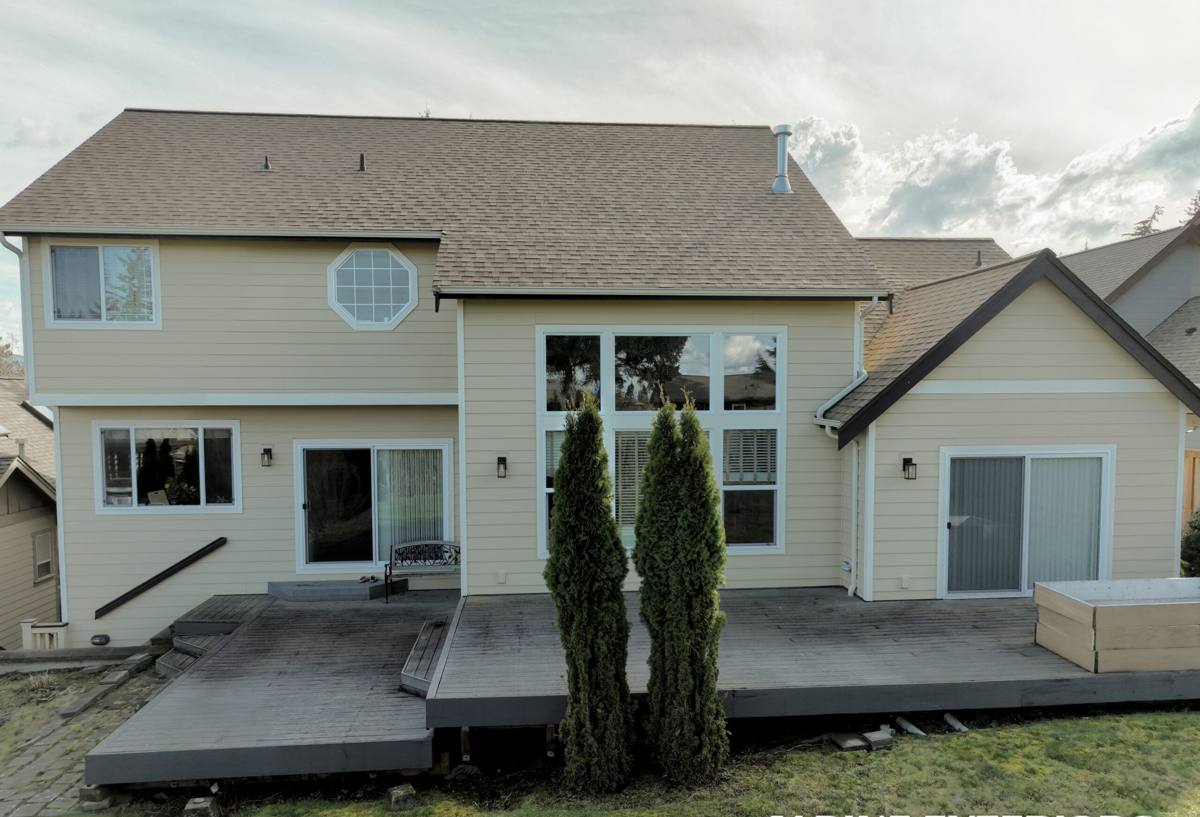
What Pinellas County Weather Actually Does to a Deck
Wind and Uplift
Florida's building code treats decks as structures that need to resist real wind loads, not just support foot traffic. In Pinellas County, that means ledger attachments, post connections, and railing systems all need hardware rated for uplift and lateral load, not just standard deck screws. A deck that looks solid in calm weather can fail at the connections during a tropical storm if it wasn't engineered for wind in the first place.
UV Exposure
Florida sun is intense and consistent nearly year-round. Untreated or poorly sealed wood grays, cracks, and splinters faster here than in most of the country. Some composite and PVC products fade or chalk under UV if they're a lower grade or installed without attention to manufacturer spec. Material choice and finish matter more here than in milder climates.
Wind-Driven Rain and Moisture
It's not just rainfall totals — it's rain pushed sideways into ledger boards, joist hangers, and post bases during storms. Any gap in flashing or sealant becomes a path for water to sit against wood framing, which is exactly how rot and hidden structural decay start, often invisible until a board or railing fails.
Salt Air and Corrosion
Even away from the immediate coastline, salt-laden air moves inland across Pinellas County and accelerates corrosion on standard fasteners, brackets, and hardware. Galvanized hardware that would last for decades in a dry inland climate can start rusting and staining within a few years here if it's not rated for coastal exposure.
What a Correctly Built Deck Needs in This Climate
A deck built to last in Pinellas Park isn't about upgrading everything to the most expensive option — it's about matching the right material and hardware to the right part of the structure. That includes:
- Stainless steel or coated coastal-grade fasteners at every structural connection, not just the visible surface screws.
- Hurricane ties and rated post-to-beam connectors engineered for Florida wind zones, installed per code, not "close enough."
- Proper ledger flashing where the deck attaches to the house, so wind-driven rain can't work its way behind the band board.
- Footings sized and set to local frost-free, high-water-table conditions, since Pinellas Park's soil and drainage aren't the same as a typical inland lot.
- UV-stable decking and railing materials, sealed or finished appropriately if wood is used.
- Ventilation beneath the deck surface so moisture doesn't get trapped against framing after a storm.
Choosing a Decking Material for Pinellas Park
There's no single "best" decking material — there's a best fit for your budget, maintenance tolerance, and how much direct sun and weather exposure your deck gets. Here's how the common options actually perform in this climate:
| Material | Moisture/Salt Resistance | UV Fading Behavior | Maintenance | Typical Lifespan Here |
|---|---|---|---|---|
| Pressure-treated pine | Good if sealed regularly | Grays without upkeep | Annual sealing/staining | 10-15 years |
| Tropical hardwood (e.g. ipe) | Very good, naturally dense | Fades to gray unless oiled | Periodic oiling | 20-25+ years |
| Capped composite | Excellent, won't rot | Fade-resistant cap layer | Occasional washing | 25-30 years |
| PVC decking | Excellent, fully synthetic | Very stable, low fade | Minimal | 25-30+ years |
We steer most Pinellas Park clients toward capped composite or PVC for anything close to full sun or salt exposure — not because wood is a bad product, but because the maintenance schedule wood requires in this climate is a real ongoing cost that a lot of homeowners underestimate when comparing upfront prices. If you want the look and feel of real wood and are willing to keep up with sealing, we'll build it right and tell you honestly what that upkeep involves.
Framing Material
Even when the decking surface is composite, the frame underneath is almost always pressure-treated lumber or, on larger or elevated decks, steel or aluminum framing. We match the frame material to the load, span, and elevation of the design rather than defaulting to whatever's cheapest — a deck that's ground-level and a deck that's elevated off a sloped Pinellas Park lot don't carry the same requirements.
Design Considerations Specific to Pinellas Park Homes
Elevation and Drainage
Parts of Pinellas Park sit low relative to surrounding drainage, and heavy summer downpours are routine. We grade and plan footing placement so water sheds away from the house and doesn't pool under the deck, which matters both for the structure and for keeping moisture away from your home's foundation and siding.
Shade and Sun Control
Given how much direct sun this area gets, many homeowners pair a new deck with a pergola, shade sail, or screened enclosure so the space is usable in the middle of a Florida afternoon, not just morning and evening. We can design for that from the start rather than bolting on shade structures later.
Permits and Setbacks
Pinellas County and local jurisdictions require permits for most deck construction, especially anything attached to the house or elevated above a certain height. Setback rules from property lines and, in some neighborhoods, HOA design guidelines all factor into what's actually buildable on your lot. We handle the permitting process as part of the job so you're not the one chasing down inspections.
Our Process for a Pinellas Park Deck Project
- On-site consultation — we walk the property, look at drainage, sun exposure, and how the deck will connect to your home.
- Design and material selection — honest guidance on decking material, railing style, and layout based on your budget and how you'll use the space.
- Permitting — we prepare and submit what's required locally so the project is fully code-compliant before framing starts.
- Framing and structural connections — footings, ledger attachment, hurricane-rated hardware, and coastal-grade fasteners installed to code, not to a shortcut.
- Decking, railing, and finish work — surface material installed per manufacturer spec so warranties stay valid.
- Final inspection and walkthrough — we confirm everything passes inspection and walk you through care and maintenance for whatever material you chose.
Keeping Your Deck in Shape After It's Built
Whatever material you choose, a little seasonal attention goes a long way in this climate. A quick self-check a couple of times a year catches small issues before they become structural ones:
- Check fastener heads and railing connections for rust staining or looseness after storm season.
- Look underneath the deck for standing water or debris buildup that traps moisture against framing.
- Inspect the ledger board area where the deck meets the house for any gaps, staining, or soft spots.
- Wash composite or PVC surfaces periodically to prevent salt residue and mildew buildup.
- Re-seal or re-oil wood decking and railings on the schedule the product actually requires, not just when it looks faded.
Why It Matters to Hire a Crew That Already Works This Area
A deck built from a design template that ignores wind load, salt exposure, and Florida drainage requirements will eventually show it — usually at the fastener connections or the ledger attachment first. We work in Largo, Pinellas Park, and the surrounding Pinellas County communities regularly, which means we're already familiar with local permitting requirements, typical lot drainage patterns, and the wind and moisture conditions your deck will actually face. That's different from a contractor who builds occasionally in this area using a design and materials list meant for a milder climate.
We'd rather walk you through the honest trade-offs between materials and explain exactly what your deck needs structurally than sell you the cheapest version and let the climate find the weak points later.
Get a Straightforward Estimate
If you're considering a new deck or replacing one that's showing its age, we're happy to take a look and give you a clear, no-pressure estimate. Use the form below to request a free consultation, and we'll walk the site with you and talk through what makes sense for your home in Pinellas Park.