 Largo Siding
 Windows Built for What Palm Harbor Actually Deals With
Palm Harbor sits close enough to the water that its homes take on the same punishment as the rest of coastal Pinellas County: hurricane-force wind gusts during storm season, wind-driven rain that gets pushed sideways into anything with a gap, salt air that works its way into metal and hardware year-round, and enough direct UV exposure to break down seals and finishes faster than most manufacturers' literature admits. Windows here are not just a comfort upgrade. They're one of the first lines of defense for the rest of the house.
A window that's fine in a drier, calmer climate can fail here in ways that show up as fogged glass, soft drywall around the frame, or a sash that won't stay latched during a windstorm. None of that is really about the window brand — it's about whether the unit was chosen and installed correctly for this specific environment.
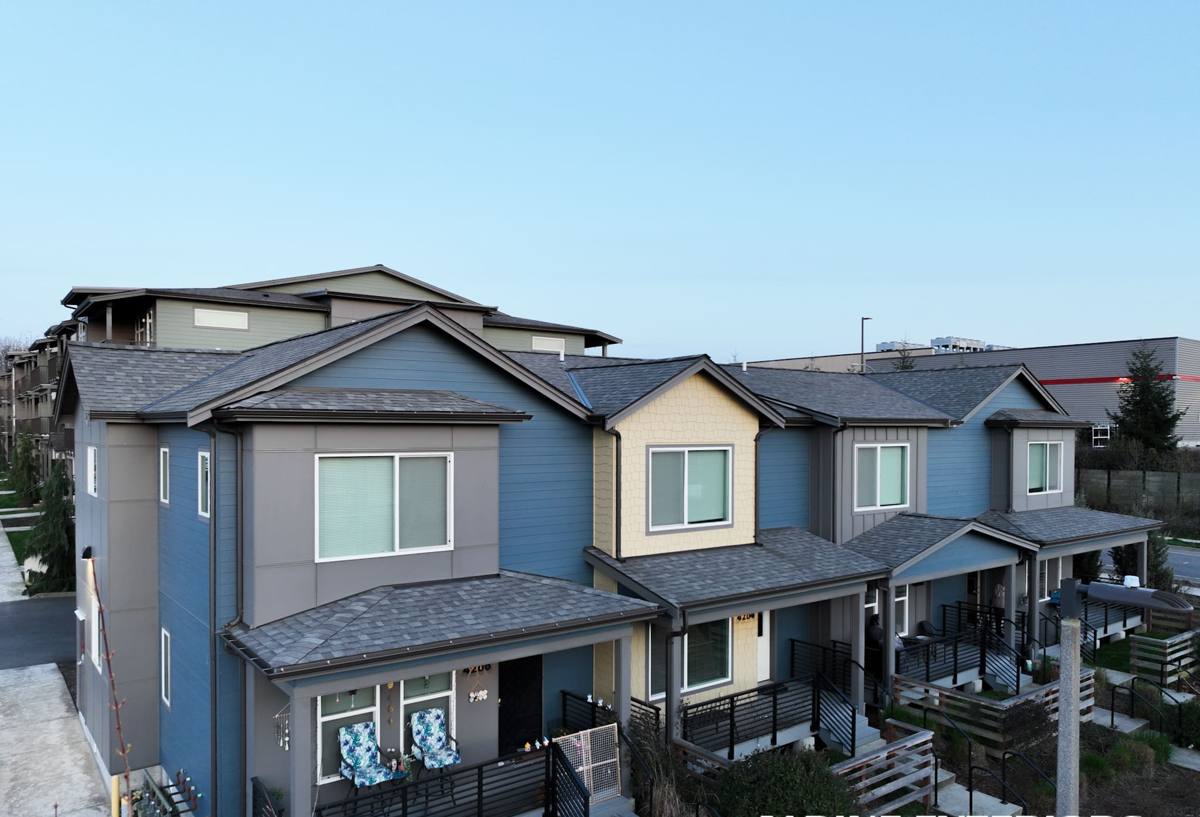
What a Correct Installation Actually Involves
Window installation has two halves, and most complaints we run into trace back to someone treating it as one. The first half is the window itself — glass rating, frame material, hardware. The second half is everything around the window: the rough opening, the flashing, the sealant, and how the unit ties into the wall's water management. Skip the second half and even a great window will leak or fail early.
Impact Rating and Wind Load
Most of Pinellas County, including Palm Harbor, falls inside Florida's wind-borne debris region. In practice that means a permitted window replacement generally needs to use impact-rated glass or an approved protective system, sized to the wind load the local building code requires for that address. The exact requirement can vary by house and by how the permit is written, so this is always confirmed with the local building department before work starts, not assumed from a brochure.
Flashing and the Moisture Barrier
Every window opening is a deliberate break in the wall's water barrier. Correct installation means integrating new flashing with the existing house wrap or barrier — lapped the right direction, sealed at the corners, with a sill pan underneath so any water that does get past the exterior sealant has somewhere to drain instead of sitting against wood framing. This step is invisible once the trim goes back on, which is exactly why it's the step that gets rushed by crews trying to move fast.
What We See Going Wrong in Older Pinellas Homes
A lot of homes in this part of the county still have original aluminum-frame single-pane windows or early-generation replacement windows installed without much attention to flashing. Common issues we run into on these homes:
- Hardened, cracked exterior caulk that was never a real moisture barrier to begin with
- Corrosion around aluminum frames and hardware from decades of salt air exposure
- Soft or discolored drywall and framing near the sill, a sign water has been getting behind the window for a while
- Sashes that no longer seal tight, letting conditioned air escape and humidity in
- Glass that's clouded or fogged between panes on older insulated units, meaning the seal has failed
None of these are unusual for the area — they're just what happens to windows that weren't built or installed for sustained coastal exposure. They're also all fixable with a correct replacement, not just a re-caulk.
Choosing the Right Frame Material for This Climate
There's no single "best" window material for every house, but some hold up better than others against salt air, humidity, and UV. Here's how the common options compare for coastal Pinellas conditions:
| Frame Material | Salt Air / Corrosion Resistance | Maintenance | Notes for This Climate |
|---|---|---|---|
| Vinyl | Very good — won't corrode | Low | Common, cost-effective choice; quality varies by manufacturer |
| Fiberglass | Excellent | Low | Handles thermal expansion and UV well; higher cost tier |
| Aluminum | Poor to fair unless coated/anodized well | Moderate to high | Prone to corrosion and pitting near salt air over time |
| Wood-clad | Fair — depends on cladding integrity | High | Needs diligent upkeep where cladding seams meet moisture |
We frame this as a set of honest trade-offs, not a sales pitch for one material. Aluminum isn't a bad metal — it's just more maintenance-sensitive in a salt-air environment, and wood-clad units require an owner who's willing to stay on top of caulk and finish upkeep. What matters is matching the material to how much upkeep you actually want to do.
Our Installation Process
The process doesn't change much house to house, but the details matter. Here's roughly what a job looks like from start to finish:
- On-site measurement and assessment of the existing opening, framing condition, and any water damage
- Confirming the correct wind load and glass rating required for that specific address before ordering
- Permit filing where required — we don't skip this step, and neither should any contractor you hire
- Removing the old unit and inspecting the rough opening for rot, corrosion, or prior water intrusion
- Repairing or replacing damaged framing before the new window goes in — never installing over a bad opening
- Installing sill pan flashing and integrating new flashing with the existing moisture barrier
- Setting the window plumb, level, and square, then securing per the manufacturer's fastening schedule
- Sealing and insulating the gap around the frame, then finishing interior and exterior trim
- Final inspection and, where applicable, scheduling the county inspection tied to the permit
What a Correct Job Should Look Like When We're Done
- Window opens, closes, and locks smoothly with no binding
- No visible gaps in exterior caulk or trim
- Interior sill and jamb are dry to the touch with no soft spots
- Glass is clear with no fogging between panes
- Paperwork for the permit and, if applicable, the impact rating documentation is left with you
Permits and Local Code Requirements
Window replacement in Palm Harbor and the surrounding Largo area is typically a permitted job, not a swap-it-yourself weekend project. The permit exists to confirm the new windows meet the wind load and impact requirements for that address, and it also protects you — a permitted, inspected installation gives you a paper trail if there's ever an insurance question down the road. We handle the permit process as a standard part of the job rather than treating it as optional paperwork.
Why a Crew That Already Works This Area Matters
Window installation done right depends on knowing the specific conditions of the house in front of you, and that's easier when it's not the first house like it a crew has worked on. A crew that's replaced windows across Largo and nearby communities like Palm Harbor has already seen how the local building department wants permits filed, what condition older aluminum-frame installations tend to be in by the time they're replaced, and how much protection a given opening actually needs against wind-driven rain. That familiarity shows up less in what gets said during the estimate and more in what doesn't go wrong six months later.
What Affects the Cost
Two houses with the same number of windows can land at very different totals. The main variables:
| Factor | Why It Matters |
|---|---|
| Glass and impact rating required | Higher wind load or impact-rated glass costs more than standard glass |
| Frame material | Vinyl, fiberglass, aluminum, and wood-clad all sit at different price tiers |
| Condition of the existing opening | Rot or corrosion repair adds labor beyond a straightforward swap |
| Window size and configuration | Larger units, sliders, or custom shapes cost more than standard sizes |
| Number of windows | Whole-house projects typically bring a better per-window rate than one-offs |
| Permit and inspection requirements | Included in most quotes, but scope can shift based on what the permit review requires |
Because of these variables, we don't quote window pricing sight unseen — an accurate number depends on seeing the actual openings and confirming the code requirements for that address.
Living With New Windows in a Coastal Climate
Once new windows are in, a little upkeep goes a long way toward getting the full lifespan out of them. Rinse frames periodically to clear salt residue, especially after storms. Check exterior caulk lines once or twice a year for cracking, since UV exposure breaks down sealant faster here than in most inland climates. Keep an eye on hardware — locks, hinges, and cranks — for stiffness, which is often an early sign of salt-air corrosion rather than a defect. None of this is heavy maintenance, but skipping it is how a well-installed window ends up needing attention years earlier than it should.
If you're weighing a window replacement in Palm Harbor or anywhere nearby, we're happy to take a look and give you a straightforward, no-pressure estimate — no upsell script, just what your house actually needs. Use the form below to get started.