 Largo Siding
 Why Treasure Island Roofs Don't Age Like Inland Roofs
A roof on Treasure Island lives a harder life than a roof ten miles inland in Largo. It's a barrier island, which means every shingle, fastener, and flashing detail is exposed to salt-laden air moving off the Gulf and the Intracoastal Waterway around the clock. Add in Pinellas County's intense year-round UV load, wind-driven rain that gets pushed sideways during summer storms, and the real chance of hurricane-force gusts, and you have a combination that ages roofing materials faster than almost anywhere else in the state.
Salt air is corrosive to exposed metal — nail heads, flashing, drip edge, vent stacks, and screws all take a beating if they aren't rated or protected for coastal exposure. UV breaks down asphalt shingle mat and adhesives over time, drying out the granule bond. And wind-driven rain finds any weak point in an underlayment or flashing detail that would never leak on a home further from the water. None of this means a roof on Treasure Island can't last its full expected lifespan — it means the installation has to account for these conditions from the start, not as an afterthought.
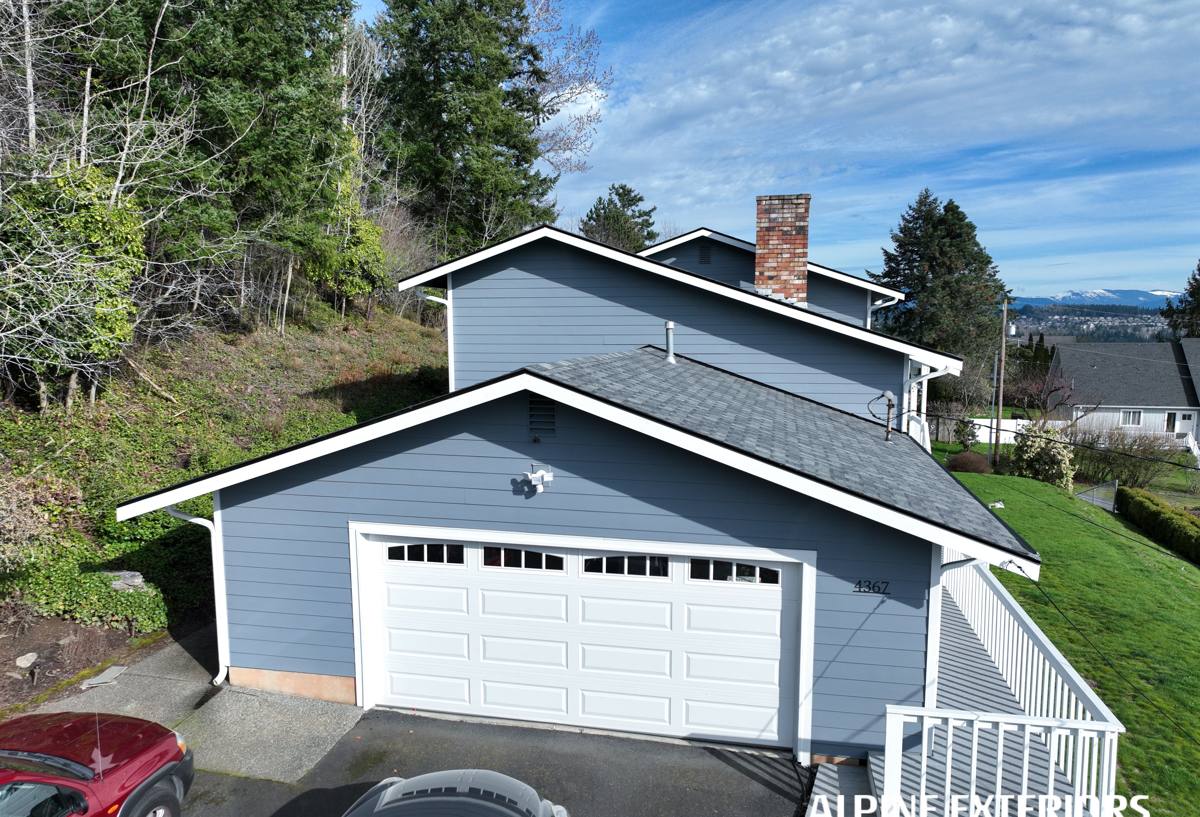
What "New Roof Installation" Actually Involves
A proper new roof isn't just laying new shingles over what's there. On a coastal home, cutting corners at any one of these steps is exactly where future leaks and premature failure start.
Tear-Off and Deck Inspection
We remove the existing roofing down to the deck. This is the only point where the plywood or OSB sheathing underneath can actually be inspected — and on older Treasure Island homes, this is where we sometimes find soft or delaminated decking from years of slow moisture intrusion that wasn't visible from inside the attic. Any damaged decking gets replaced before anything new goes down; roofing over compromised sheathing just hides a problem that will resurface.
Underlayment
The underlayment is the roof's second line of defense, and on a coastal property it matters more than usual. We use a synthetic or self-adhering underlayment system suited to the wind-driven rain conditions common on the island, with particular attention to laps and fastening pattern so wind can't work water underneath it.
Flashing and Penetrations
Chimneys, vent stacks, skylights, and wall-to-roof transitions are where most roof leaks actually originate — not the field of the roof itself. We replace flashing rather than reuse it wherever practical, and use corrosion-resistant materials given the salt exposure.
Roof Covering
The shingles, tile, or metal panels go down to manufacturer spec and local wind-rating requirements, with attention to nailing pattern and fastener count — this is a major factor in how a roof performs in high wind, and it's also frequently where shortcuts get taken on rushed jobs.
Ventilation and Final Details
Ridge and soffit ventilation, drip edge, and a final cleanup and inspection close out the job.
Choosing a Roofing System for a Barrier Island Home
There isn't one "best" roofing material for every home — it depends on your budget, the style of the house, and how much long-term maintenance you want to take on. Here's an honest comparison of the systems we most commonly install on coastal Pinellas County homes.
| Material | Typical Lifespan | Wind Performance | Salt Air / Coastal Notes |
|---|---|---|---|
| Architectural asphalt shingle | 20–30 years | Good, with high wind-rated products and proper nailing | Most affordable; UV and heat exposure are the main wear factors |
| Standing seam metal | 40–50+ years | Excellent when properly fastened | Needs coastal-rated finish and fastener spec to resist salt corrosion |
| Concrete or clay tile | 40–50 years | Very good when installed to current code | Heavy; underlayment condition matters more than the tile itself over time |
| Flat / low-slope membrane | 15–25 years | Good with proper attachment | Common on additions, porches, and some mid-century homes on the island |
For most Treasure Island homes, architectural shingle remains the most common choice because it balances upfront cost with solid wind performance when installed correctly. Metal and tile cost more but ask less of you in maintenance and typically outlast a shingle roof by a decade or more — worth weighing if you plan to stay in the home long term.
What Actually Drives Cost
- Roof size and pitch — steeper roofs take longer and require more safety setup
- Number of layers being removed and condition of the decking underneath
- Material chosen — shingle, metal, and tile have very different material and labor costs
- Number of penetrations, valleys, and flashing details
- Permit and inspection requirements for the jurisdiction
We won't quote a number without seeing the roof — anyone who does is guessing. What we can tell you honestly is that a full tear-off and reinstall on a coastal home tends to run higher than the same job inland, mostly due to the corrosion-resistant fasteners and flashing we use here.
Wind and Building Code Considerations
Pinellas County enforces the Florida Building Code's high-wind provisions, and a barrier island property like those on Treasure Island falls squarely within that wind-borne debris region. That affects several real decisions on your project: the wind-uplift rating of the shingle or system you choose, the fastening schedule, and in some cases the underlayment and attachment requirements for the roof deck itself. A permitted new roof installation has to meet these standards and pass inspection — this isn't optional paperwork, it's what keeps the roof attached to the house in a storm.
We pull the required permits and coordinate inspections as part of every new roof installation. If your home is old enough that the roof deck attachment doesn't meet current code, that's flagged and addressed during tear-off rather than left as a surprise.
Ventilation and Moisture Control in a Humid, Salty Climate
Attic ventilation gets overlooked, but it directly affects how long a new roof lasts. Trapped heat and moisture in the attic accelerate the underside of the roof deck and shingles, and in a humid coastal climate like Treasure Island's, poor ventilation also invites condensation issues. We check existing ridge, soffit, and gable ventilation during the estimate and correct it as part of the installation where it's inadequate — not as an upsell, but because it protects the roof you're paying for.
Our Installation Process
- On-site inspection and estimate — we walk the roof, check the attic, and give you an honest read on condition and options
- Material and system selection — we go over the trade-offs above based on your budget and plans for the home
- Permitting — we handle the Pinellas County permit application before work begins
- Tear-off and deck inspection — old roofing removed, deck inspected and repaired as needed
- Underlayment, flashing, and roof covering installed to code and manufacturer spec
- Final inspection and cleanup — magnetic sweep for stray fasteners, full site cleanup, and county inspection sign-off
Why a Crew That Already Works Treasure Island Matters
Island properties come with logistics that inland jobs don't. Bridge access, narrower streets, limited staging space, and in some cases HOA or condo association rules all affect how a roofing crew plans a job. A contractor who regularly works Treasure Island already knows how to stage material and dumpsters without blocking a narrow street, understands the permitting process with Pinellas County for coastal properties, and has already dealt with the corrosion issues that show up on homes this close to saltwater — issues a crew that mostly works inland may not think to plan for.
That familiarity shows up in small but real ways: knowing which fastener and flashing grades hold up here, knowing what the local wind exposure category means for your specific street, and not needing a learning curve at your expense.
Signs Your Roof May Need Replacement, Not Repair
- Shingles that are curling, cracked, or missing granules across large areas
- Multiple or recurring leaks in different spots after storms
- Visible sagging in the roofline or soft spots underfoot
- Roof is at or past its expected material lifespan
- Daylight visible through the roof deck from inside the attic
- Rising energy bills tied to attic heat gain
After Installation: Keeping a New Roof Performing
A new roof still benefits from basic upkeep in this climate. Keep gutters clear so wind-driven rain has somewhere to go, have the roof looked at after any major named storm, and don't ignore small stains on interior ceilings — they're almost always cheaper to address early than after they've spread. We're glad to walk you through what to watch for specific to the system you choose.
If your roof is showing its age or you just want an honest opinion on its condition, we'll come out, take a real look, and give you a straightforward, no-pressure estimate — use the form below to get started.