 Largo Siding
 Building New on a Barrier Island Changes the Window Job
Belleair Beach sits out on the barrier island, exposed to the Gulf on one side and the Intracoastal on the other, with almost nothing to slow the wind before it hits a house. When a home is going up new — an addition, a teardown-rebuild, or a ground-up build — the windows aren't being fitted into an existing wall. They're going into a rough opening that has to be flashed, sealed, and integrated with the house wrap and weather barrier correctly the first time. There's no do-over once siding or stucco goes over a bad flashing job. That's a different discipline than swapping out an old window in an existing opening, and it's worth hiring a crew that treats it that way.
We're a Largo-based siding and exterior crew that works new-construction window openings regularly in and around Belleair Beach, Indian Rocks Beach, and the rest of the Pinellas County barrier island. We know what this specific stretch of coastline does to a house over time, and we build the window opening to hold up to it — not just to pass a rough-in inspection.
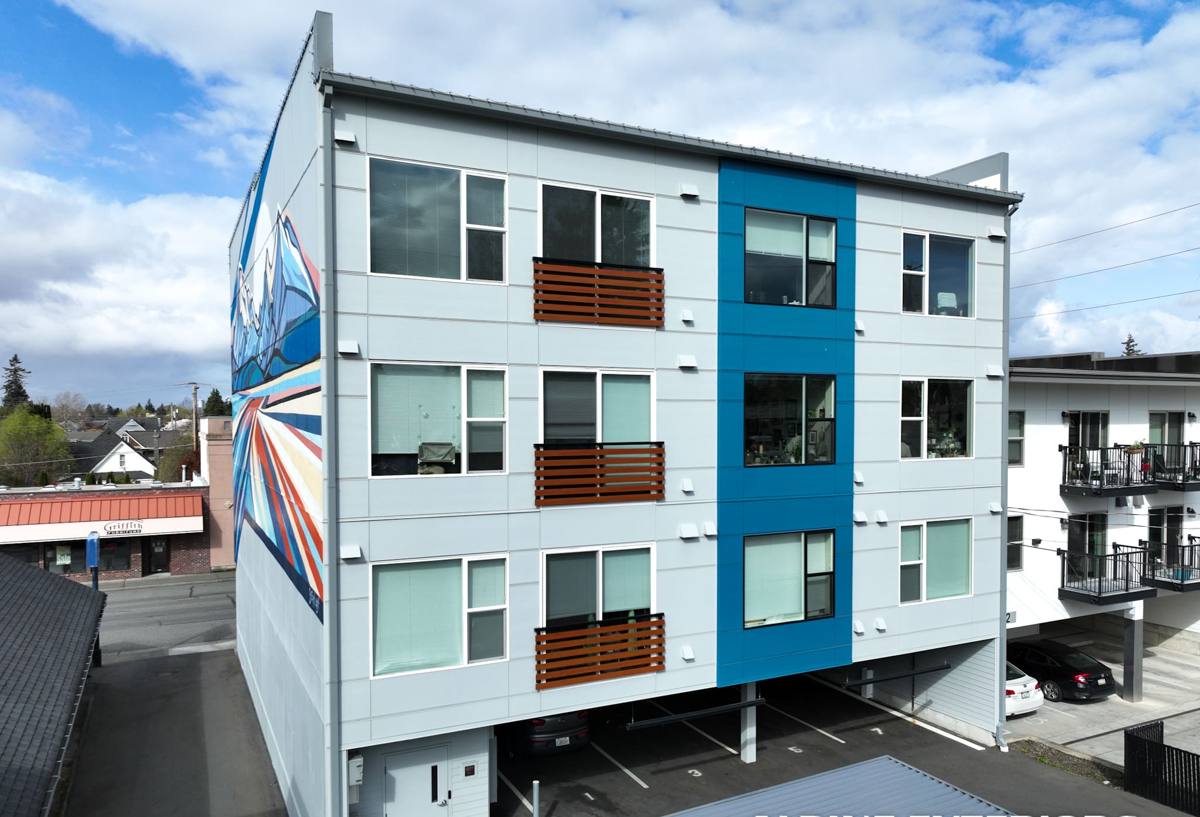
What Belleair Beach's Climate Actually Does to New Windows
Wind Load
Coastal Pinellas County sees higher design wind speeds than inland Largo, and a barrier island community like Belleair Beach sits right at the edge of that exposure. New-construction windows here need frames and anchoring rated for the wind loads that apply at that specific address — not a generic big-box window pulled off a pallet. Under-spec'd windows can flex, leak, or fail at the anchor points long before the glass itself is the problem.
Wind-Driven Rain
Hurricane-season storms don't just bring wind — they push rain sideways, hard enough to drive water through gaps that would never leak in a normal rainstorm. A new-construction opening has to be flashed in a specific shingle-lap sequence (bottom sill first, jambs next, head last, always overlapping downward) so that any water that does get behind the trim or siding drains back out instead of finding its way into the wall cavity.
Salt Air and UV
Living a short walk from saltwater means airborne salt is constantly settling on hardware, fasteners, and frame finishes. Combined with intense, near-year-round Florida UV, that's a one-two punch that ages cheap components fast — pitting metal, chalking vinyl, and breaking down sealants well ahead of their rated life. None of this shows up on day one. It shows up in year three or four, which is exactly why the material choices made during a new build matter more here than they would inland.
Getting the Rough Opening Right the First Time
On a new-construction job, the window install is really two jobs: setting the window, and integrating it correctly with the weather barrier around it. We treat both as equally important.
- Rough opening is checked for square, level, and correct dimension before the window ever arrives on site
- Sill pan flashing goes in first, sloped to shed water outward, before the window touches the opening
- Window is set, shimmed plumb and square, and fastened per the manufacturer's structural requirements — not just "however it fits"
- Flashing tape is applied in the correct shingle-lap order: sill, jambs, then head, so water always sheds downward and outward
- Gaps between the frame and rough opening are sealed and insulated — not left open, and not packed solid with the wrong material
- Exterior sealant joints are tooled and inspected before trim or siding covers them up
Every one of these steps is easy to skip when a crew is moving fast to keep a build schedule. Skipping any of them is how a brand-new window ends up with a moisture problem inside the wall a couple of years later — a problem that's expensive to find and worse to fix after the siding's already on.
Frame Material: What Holds Up on the Island
Frame material is one of the few decisions on a new build that's genuinely worth slowing down for, because it's not something you revisit for decades. Here's how the common options actually perform in a salt-air, high-UV, high-wind coastal setting like Belleair Beach:
| Frame Material | Salt Air / Corrosion | UV / Heat Behavior | Typical Trade-Offs |
|---|---|---|---|
| Vinyl | Doesn't corrode; hardware and reinforcement are the weak points | Can soften or discolor over time if not UV-stabilized; expands/contracts with heat | Lower upfront cost; quality varies a lot between manufacturers |
| Aluminum | Needs a marine-grade finish or it pits and corrodes near saltwater | Handles heat and UV well structurally; can conduct more heat into the home | Strong for large openings and impact glazing; finish quality matters more here than inland |
| Fiberglass | Highly corrosion-resistant; holds up well to salt exposure | Very stable through heat and UV cycling; minimal expansion/contraction | Higher material cost; strong long-term value on exposed coastal elevations |
There isn't a single "correct" answer for every elevation of every house — a Gulf-facing wall and a landward wall on the same build can reasonably get different products. What matters is that the choice is made deliberately, based on exposure and budget, not by whatever happened to be cheapest or in stock.
Impact Rating and Glazing
New construction is the right time to decide between impact-rated glass and separate shutter or panel protection, because it affects the window unit itself, not just an add-on later. Impact glass costs more upfront but means one less system to deploy before a storm. Non-impact glass paired with a proper shutter or panel system can be a reasonable, lower-cost choice — as long as the protection system is actually installed and used every storm, not left in the garage. We'll walk through both honestly for your specific openings rather than push whichever one costs more.
Permitting and Code on Pinellas County New Construction
New-construction windows go through plan review and inspection as part of the overall building permit, not as a standalone add-on. That means the window specs — wind rating, impact rating, and the flashing/installation method — need to match what's on the approved plans and product approvals, and the rough-in and final work needs to be ready for the inspector to sign off cleanly. We coordinate directly with the general contractor or builder on scheduling so the window portion of the job doesn't become the thing holding up the next trade or the inspection.
Our Process on a Belleair Beach New Build
We keep this straightforward, and we don't ask you to guess at what's happening at each stage:
- Plan review — we look at the approved drawings and window schedule so what we install matches what was permitted
- Site walk — we check rough openings against the plan before windows are ordered, catching framing issues while they're still cheap to fix
- Material selection — we go through frame material, glazing, and impact options for each elevation based on exposure
- Install — sill pan, window set, shingle-lap flashing, insulation, and sealant, done in that order, every time
- Walkthrough — every opening is checked for square, operation, and seal before we call it done
- Inspection-ready handoff — documentation and photos available for the building inspector and for your own records
Why a Local Belleair Beach Crew Matters More Than It Sounds Like It Should
A lot of window crews will install anywhere in the Tampa Bay area, and that's fine for plenty of jobs. But a barrier island town like Belleair Beach has real, specific conditions — tighter lots, direct Gulf exposure on many properties, and building department expectations that come up on nearly every job out there. A crew based in Largo that already works this stretch of the island regularly isn't guessing at the wind exposure category for your address or relearning the local permitting process on your project's dime. We show up already knowing what this coastline does to a house, because we've seen it firsthand on other builds nearby.
What a New-Construction Window Job Costs Here
Costs on new construction depend heavily on window count, size, frame material, and impact rating — there's no honest flat number to quote without seeing the plans. In general terms, the biggest cost swings come from these factors:
| Factor | Why It Moves the Price |
|---|---|
| Impact vs. non-impact glazing | Impact-rated units cost more per window but remove the need for separate storm protection |
| Frame material | Vinyl is typically the lowest upfront cost; fiberglass and higher-grade aluminum cost more but resist salt and UV longer |
| Opening size and count | Larger openings and higher window counts increase both material and labor cost in a fairly direct way |
| Elevation and access | Second-story or hard-to-access openings take more time and equipment to install correctly |
| Flashing and integration complexity | Openings that interact with other trades — siding, stucco, roofing — take more coordination time |
We'll give you real numbers once we've seen your plans and openings, not a guess pulled out of thin air.
If you're building new or adding on in Belleair Beach and want the window openings done right the first time, we're happy to take a look at your plans and openings and put together a straightforward, no-pressure estimate. Use the form below to get started.