 Largo Siding
 Building a Deck That Can Actually Handle Madeira Beach
Madeira Beach sits right on the Gulf, and that location is exactly what makes it a beautiful place to add outdoor living space — and exactly what makes a deck out there a different job than the same project a few miles inland. Salt-laden air, intense sun nearly year-round, wind-driven rain, and the real possibility of hurricane-force gusts all act on a deck at once, every day it's standing. A deck built to a generic spec sheet might look fine for a season or two. Out here, the materials, fasteners, and framing details either hold up to that combination or they don't.
This page is about one project, in one area: custom decks for homes in and around Madeira Beach, built by a crew based in Largo that already understands what this stretch of Pinellas County demands. We're not going to give you a copy-paste description of "why decks are great." We're going to walk through what actually matters when you're building one this close to the water.
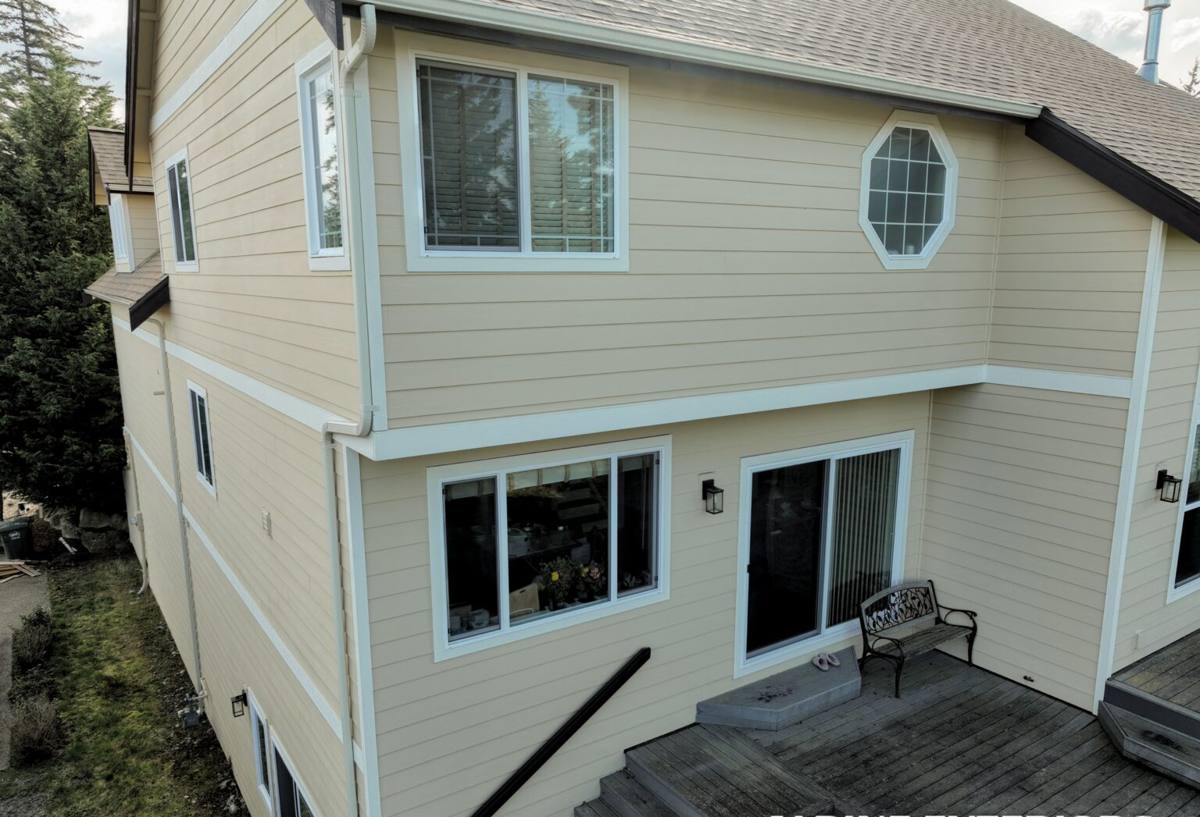
What the Gulf Coast Throws at a Deck
Before any design decisions get made, it helps to understand the specific stresses a Madeira Beach deck is up against, because every material and construction choice on this page traces back to one of these.
Salt Air and Corrosion
Airborne salt doesn't stay at the water's edge — it travels on the wind and settles on everything, including decks set back from the beach itself. Salt accelerates corrosion in any metal component: fasteners, brackets, railing hardware, even the screws holding down composite boards. A deck built with standard hardware can develop rust streaks, staining, and weakened connections well before the decking itself shows its age.
Year-Round UV Exposure
Florida sun is strong nearly every month of the year, not just in summer. UV breaks down the surface of untreated or poorly finished wood, fades color in lower-grade composites, and dries out sealants and finishes faster than in most other parts of the country. A deck here needs materials and finishes chosen with that exposure in mind, not materials rated for a milder climate.
Wind-Driven Rain and Moisture Cycling
Storms here don't just drop rain straight down — wind pushes it sideways and up under boards, into fastener holes, and against ledger connections. Combined with humidity, that means wood framing and decking go through constant wet-dry cycling, which is what drives rot, cupping, and fastener pull-through over time.
Hurricane and High-Wind Loading
Pinellas County sits in a high-wind design zone, and a deck attached to a house has to resist uplift and lateral loads during a storm, not just support foot traffic on a calm day. Railings, guardposts, and the ledger connection to the house are all structural elements in a wind event, not just finish details.
Decking Material Options for a Barrier Island Home
There's no single "best" decking material for every home — it depends on budget, how the deck will be used, and how much upkeep you're willing to do. Here's how the common options actually compare once you factor in this specific climate.
| Material | Salt Air / Moisture Behavior | UV / Fade Resistance | Maintenance | Typical Lifespan Here |
|---|---|---|---|---|
| Pressure-treated wood | Prone to warping, splitting, and fastener corrosion without diligent upkeep | Fades and grays quickly without regular sealing | Annual cleaning and sealing recommended | 10-15 years with upkeep |
| Capped composite | Handles salt air and moisture well; won't rot | Good with quality capstock; lower-grade products can fade or chalk | Periodic washing, no sealing or staining | 20-25+ years |
| PVC / cellular decking | Fully moisture-resistant, no organic material to rot | Strong UV resistance in quality products | Low; occasional washing | 25+ years |
| Tropical hardwood | Naturally dense and rot-resistant, but still needs oiling | Grays without regular oil treatment | Regular oiling to maintain color | 20-25 years with upkeep |
Our default recommendation for most Madeira Beach homes is a quality capped composite or PVC board, because the maintenance burden of natural wood in this climate is real — it's not a knock on wood as a material, it's just an honest look at what constant salt and sun does to it if upkeep slips even one season. If you want the look and feel of real wood and are committed to the maintenance schedule, we'll build that too and tell you straight what it takes to keep it looking right.
Framing, Fasteners, and Flood-Zone Realities
Elevated Homes and Ledger Attachment
Barrier island homes are frequently elevated or sit within a mapped flood zone, which changes how a deck connects to the structure. In many cases the deck ties into pilings or an elevated floor system rather than a standard ground-level ledger board, and the attachment has to be engineered for both gravity loads and wind uplift. Before we design anything, we look at how your home is built and what the framing actually allows — guessing here is how decks end up with loose ledger connections a few years down the road.
Fastener and Hardware Corrosion
This is one of the most common places we see cut corners on older decks in coastal Pinellas County: standard or lower-grade galvanized fasteners that were never rated for direct salt exposure. Once those start corroding, they stain the decking, weaken connections, and eventually need to be replaced board by board. We use stainless steel or coastal-rated fasteners and hardware throughout, because replacing a screw is cheap — replacing a deck because the screws failed underneath it isn't.
Post and Footing Depth
Footing depth and post spacing get sized to local soil conditions and wind load requirements, not a one-size-fits-all spacing pulled from a generic plan. On sandy coastal soils, that often means deeper or wider footings than you'd see on a similar deck built further inland.
Railings, Stairs, and Code Requirements in Pinellas County
Guardrails, stair geometry, and baluster spacing are governed by the Florida Building Code and enforced through Pinellas County permitting, and these aren't optional style choices — they're safety requirements, especially on elevated homes where a fall from deck height is a real concern. A few of the details that get checked:
- Guardrail height and baluster spacing sized to prevent a small child from passing through or climbing over
- Stair rise and run kept consistent and within code tolerance the entire length of the stairway
- Handrail requirements on stairways above a certain number of risers
- Structural connections for railings and posts engineered to resist lateral force, not just decorative attachment
- Permit and inspection sign-off before the deck is considered complete
We pull permits and build to code as a matter of course, not as an upsell. A deck that skips this step can look fine on day one and still fail an inspection or, worse, fail structurally when it matters most.
How We Approach a Madeira Beach Deck Project
Site Visit and Design
We start on-site, looking at how your home is framed, whether it's elevated, what the sun and wind exposure look like for the specific spot you want to build, and how you actually plan to use the space — entertaining, grilling, a quiet spot off a bedroom, pool deck access. Material and layout recommendations come out of that conversation, not a standard template.
Engineering and Permitting
Depending on the scope and how the deck attaches to your home, we handle the plans and permitting through Pinellas County so the structural details are documented and approved before construction starts.
Construction
Framing goes in first with attention to the ledger connection, post footings, and joist spacing appropriate for the decking material chosen. Decking, railings, and stairs follow, with every fastener and hardware component chosen for coastal exposure, not just cost.
Final Walkthrough and Inspection
Once the build is done, we walk the deck with you, cover how to care for the specific materials used, and make sure any required county inspection is completed and signed off.
Keeping a Salt-Air Deck Looking and Performing Its Best
Even low-maintenance materials benefit from a basic care routine out here — the goal is to stay ahead of salt buildup and UV wear rather than reacting once damage shows up.
- Rinse or wash the deck surface periodically to remove salt film, especially after storms with onshore wind
- Check railing posts, stair connections, and fasteners once or twice a year for early signs of corrosion or looseness
- Keep gutters and downspouts near the deck clear so runoff isn't dumping extra water onto framing
- For wood decking, stick to the sealing or oiling schedule recommended for the species — skipping a season is when damage compounds
- Trim back vegetation that traps moisture against the deck surface or framing
- After a major storm, do a quick visual check of railings and stairs before assuming everything is still solid
Cost Factors for a Custom Deck Near the Beach
Every deck is priced around its own size, material, and site conditions, so we won't quote a number without seeing the project — but these are the factors that move the price up or down the most.
| Factor | Impact on Cost |
|---|---|
| Decking material (PT wood vs. composite vs. PVC vs. hardwood) | Composite and PVC cost more upfront than PT wood, less over the deck's lifetime in maintenance |
| Elevation / height off grade | Taller decks require more substantial framing, footings, and often additional stair runs |
| Railing style and material | Cable, glass, and aluminum railings cost more than standard wood or composite balusters |
| Ledger attachment complexity | Elevated or unconventional home framing can require added engineering |
| Size and layout complexity | Multiple levels, angles, or built-in features add labor and material |
| Permitting and engineering scope | Larger or structurally complex decks require more design and review work upfront |
Why a Largo-Based Crew That Knows Madeira Beach Matters
Plenty of contractors will build a deck. Fewer of them regularly work the barrier islands and understand, without being told, why a standard inland spec doesn't hold up here. Being based in Largo means we're a short drive from Madeira Beach, familiar with Pinellas County's permitting process, and used to building for the salt air and wind exposure that define this part of the coast — not learning it on your project.
That local familiarity shows up in small decisions that matter: which fastener to spec, how deep to set a footing in sandy coastal soil, how to detail a ledger connection on an elevated home, which composite actually holds its color out here versus one that chalks out in two summers. None of that is guesswork when you've built decks up and down this coastline before.
If you're planning a custom deck for a home in Madeira Beach, we're glad to come take a look, talk through what your property and budget call for, and give you a straightforward, no-pressure estimate. There's a form below — reach out and we'll get a visit scheduled.