 Largo Siding
 Indian Shores sits out on the Gulf side of Pinellas County's barrier island chain, and homes there take a different kind of beating than a comparable house a few miles inland in Largo. Salt-laden onshore wind, storm systems moving straight in off open water, and near-constant sun exposure all put more stress on exterior siding, trim, and fasteners than most inland Florida properties ever see. Whether you live in Indian Shores year-round or manage a property there from a distance, the material and installation choices you make for the exterior carry more weight here than almost anywhere else in the county.
We're based in Largo and have worked this stretch of coastline long enough to know what actually holds up out here versus what looks fine on delivery day and starts failing within a few storm seasons. This page covers what Indian Shores homes specifically need from a siding installation, why we install only James Hardie fiber cement, and what our process looks like when the job site is this close to the water.
What Makes an Indian Shores Project Different From an Inland Job
A siding installation in Indian Shores isn't the same job as one done a few miles east in Largo proper, even though both fall under the same county and the same crew handles both. The barrier island sits directly exposed to the Gulf, with none of the tree cover, elevation change, or inland buffer that softens wind and salt exposure further from the coast. That exposure shows up in three specific ways that drive our material and installation decisions.
Salt Air and Fastener Corrosion
Airborne salt from the Gulf settles on every exterior surface, and it's especially hard on anything metal. Fasteners, flashing, and hardware that would last decades in an inland application can start corroding within a few years this close to open water if they aren't rated for it. On a siding job, that means fastener selection and flashing material aren't a minor spec detail — they're one of the first things that determines whether the installation still looks and performs correctly five or ten years out.
Wind-Driven Rain at the Building Envelope
Storms that push rain sideways are a fact of life on the Gulf side of the county, and wind-driven rain finds its way into gaps and seams that a straight-down rain shower never would. Every lap, seam, and penetration in a siding system is a potential entry point, which is why the weather-resistant barrier behind the siding and the flashing detail at every transition matter more here than in a more sheltered inland setting.
Year-Round UV Load
Florida sun is intense everywhere in the state, but a barrier island home gets it with fewer obstructions and more reflected glare off open water. Over years, that UV load breaks down unstable finishes and unprotected wood fiber faster than it does further inland, which is a big part of why field-applied paint systems struggle to keep pace out here.
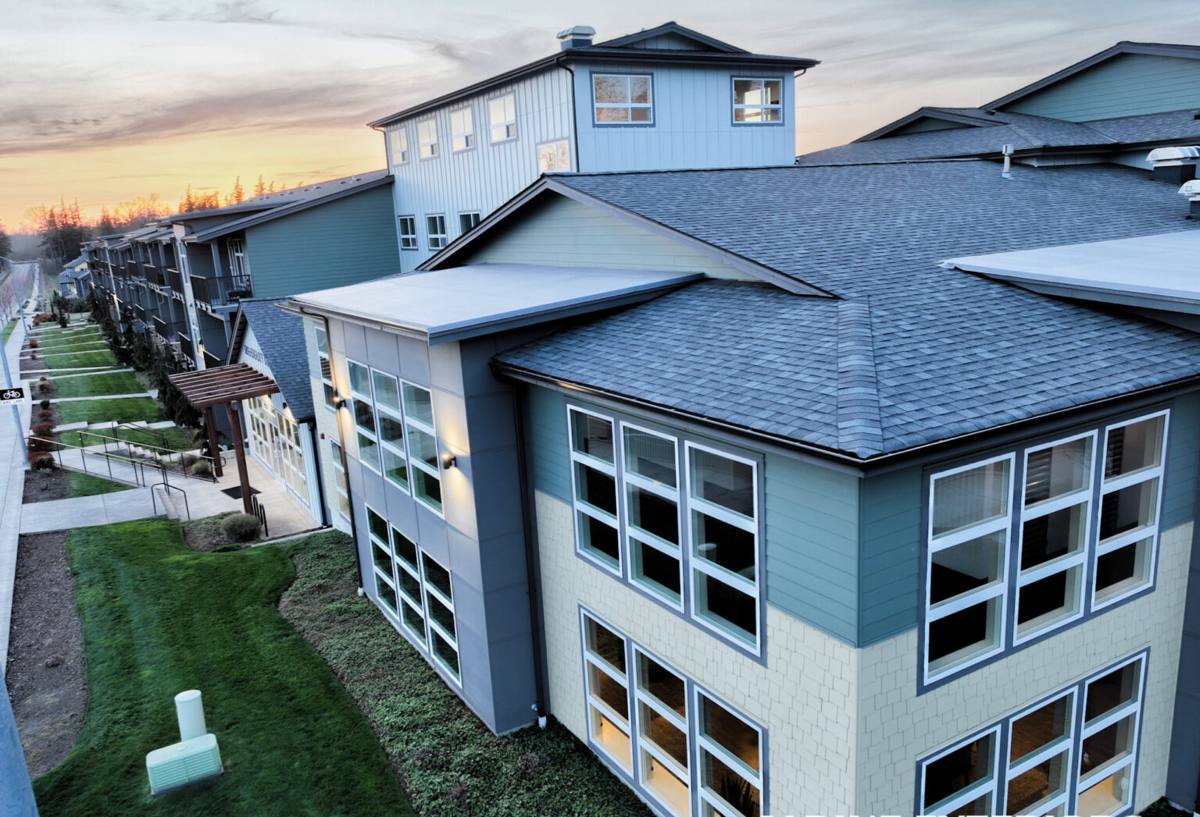
Why We Install Only James Hardie Fiber Cement on This Stretch of Coast
We don't install vinyl, engineered wood, or primed wood siding anywhere, but the case for James Hardie fiber cement is especially clear on barrier island homes. Fiber cement is a mix of Portland cement, sand, and cellulose fiber cured into a dense, dimensionally stable board — it doesn't absorb and release moisture the way wood or wood-composite products do, and it's a non-combustible material, which matters on any home but carries extra weight where storm systems and wind-borne debris are a real consideration.
Two parts of the James Hardie system matter specifically for a coastal Pinellas County home:
- HZ5 climate engineering — James Hardie manufactures regionally-specific formulations, and product installed in our area is built to the HZ5 specification for high-humidity, high-moisture-exposure climates, not a generic dry-climate formula
- ColorPlus factory finish — the color coat is baked on in a controlled factory environment through multiple coats rather than sprayed or brushed on site, which holds up far better against sustained UV and salt exposure than field-applied paint
- A strong transferable warranty — one that stays with the home if it's sold, which matters to buyers evaluating a coastal property's exterior condition during a purchase
None of that replaces good installation practice — a great material installed poorly still fails — but it gives a barrier island home a real margin against the specific conditions Indian Shores sees that inland properties simply don't deal with to the same degree.
What a Correct Installation Looks Like This Close to the Gulf
The material is only half the equation. A siding job done to spec on a Gulf-facing home in Indian Shores needs every detail right, because there's less room for error when wind, rain, and salt are working on the building envelope simultaneously. A correct installation includes:
- A properly lapped and sealed weather-resistant barrier behind the siding, installed as a continuous water-management system rather than just house wrap stapled up and left alone
- Corrosion-resistant fasteners and flashing, sized and spaced to James Hardie's published specifications for our wind zone, not a generic inland fastening schedule
- Correct panel gapping at every butt joint and termination, so the material has room to move without opening seams over time
- Flashing integrated at every horizontal transition — window and door heads, roof-to-wall intersections, and any point where materials or planes meet
- Proper clearance at the base of the wall, keeping siding above grade, decking, and roofing so it isn't sitting in standing water after a storm
- Caulking used only where James Hardie specifies it — not as a substitute for flashing and gapping done correctly elsewhere
These aren't Hardie-specific steps in the abstract — they're the difference between an installation that shrugs off a decade of Gulf storms and one that starts showing seam failures or water intrusion within a few years, regardless of what material is on the wall.
How Common Siding Materials Hold Up to Barrier Island Exposure
| Material | Salt Air Resistance | Wind-Driven Rain Behavior | UV/Finish Durability |
|---|---|---|---|
| James Hardie fiber cement | Dimensionally stable; corrosion-rated fastening system available | Engineered lap and seam design managed to manufacturer wind-zone specs | Factory-baked ColorPlus finish resists fade and chalk |
| Vinyl siding | Doesn't corrode, but seams and panel gauge vary by product quality | Relies on lap design and fastening pattern; can flex under high wind | Color is through-body but can fade and become brittle under sustained UV |
| Engineered wood composite | More sensitive to moisture at cut edges and seams | Seam and edge sealing is critical and installation-dependent | Shorter finish life than a factory-cured coating in most cases |
| Primed wood or cedar | Absorbs moisture; more prone to swelling near salt-saturated air | Fully dependent on paint film and caulking staying intact | Repainting cycle required to maintain protection and appearance |
This isn't a claim that every alternative is unusable on the coast — it's why, for the specific combination of salt air, wind, and UV that Indian Shores sees, we've standardized on Hardie rather than offering a menu of substrate options.
Our Process for an Indian Shores Project
Barrier island jobs come with a few practical wrinkles that an inland Largo job usually doesn't, and we plan around them rather than treating every site the same:
- Site assessment — we look at wind exposure, existing siding condition, and any elevation or access factors specific to the property before quoting the job
- Material and color selection — walking through HZ5 product lines and ColorPlus color options against the home's exposure and the owner's preferences
- Tear-off and substrate check — removing existing siding and inspecting the sheathing underneath for any moisture damage before anything new goes up
- Weather barrier and flashing installation — building the water-management layer correctly before a single piece of visible siding is installed
- Siding installation to manufacturer spec — correct fastening, gapping, and flashing integration at every transition
- Final inspection and walkthrough — checking every seam, joint, and clearance before calling the job complete
Some homes along this part of the coast are elevated on pilings to meet flood-zone requirements, and barrier island streets and lots tend to be tighter than a typical inland Largo neighborhood, which affects how we stage material and equipment. Planning for that ahead of time, rather than figuring it out on day one, is part of what keeps a coastal job on schedule.
Cost Factors for an Indian Shores Siding Project
Every project is different, and we don't quote pricing sight unseen, but the same handful of factors drive cost on most Indian Shores jobs:
| Factor | Why It Affects Cost |
|---|---|
| Home size and wall complexity | More square footage and more corners, gables, or dormers mean more material and labor |
| Existing siding removal | Tear-off and disposal of failing material adds time before new siding goes up |
| Substrate condition | Water-damaged sheathing found during tear-off needs repair before installation continues |
| Trim and detail level | Board and batten accents, extensive trim, or custom color add labor beyond a standard lap job |
| Site access | Elevated homes, narrow lots, or limited staging space on barrier island streets can affect labor time |
The honest answer on price is that it depends on what's actually on the house and what we find once tear-off starts, which is why we walk every property in person before putting a number on it.
Why Hiring a Crew That Already Works Indian Shores Matters
A siding crew that mostly works inland jobs can still install Hardie correctly on paper, but a lot of what makes a coastal installation hold up comes from judgment calls that only show up when you've done enough of these projects in this exact environment — how tight to run fastener spacing given the wind exposure, where flashing needs extra attention on a Gulf-facing wall versus a sheltered one, how to sequence a job around a barrier island's tighter access and staging constraints. We work Largo, Indian Shores, and the surrounding Pinellas County coastline regularly, which means those decisions aren't guesswork on your project.
Maintenance After Installation
One practical advantage of a correctly installed Hardie system in a salt air environment is what it doesn't require. There's no annual repainting cycle to chase, and the material isn't absorbing humidity or feeding rot between rain events the way wood products can. Realistic upkeep on an Indian Shores home looks like:
- Periodic rinsing to clear salt residue and grime, especially on walls that face directly into onshore wind
- A visual check after major storms for any loosened trim, shifted flashing, or debris impact
- Keeping irrigation and landscaping from spraying directly onto the base of the wall
- Touch-up limited to actual physical damage, not routine maintenance
If you own a home in Indian Shores and want a straight answer on what your siding actually needs given where it sits, we're happy to walk the property and put together a free, no-pressure estimate.