 Largo Siding
 Siding That Has to Work in Belleair's Climate
Belleair sits close to the Gulf, tucked against Largo and the rest of Pinellas County's barrier-island geography. That location is part of what makes it such a desirable place to live — mature tree canopy, a mix of long-established homes and newer construction, and easy access to the coast. It's also exactly the kind of location that is hardest on exterior siding. Homes here take on salt-laden air moving in off the water, long stretches of direct summer sun, wind-driven rain during storm season, and the real possibility of hurricane-force gusts in a bad year. Siding that isn't built for that combination doesn't fail all at once — it fails gradually, in ways that are easy to miss until the damage is expensive.
We install James Hardie fiber cement siding exclusively, and Belleair is a good example of why. This page focuses specifically on what fiber cement siding needs to do on a Belleair home, what a correct installation actually involves, and why a crew that already works in this area is worth choosing over a contractor who doesn't.
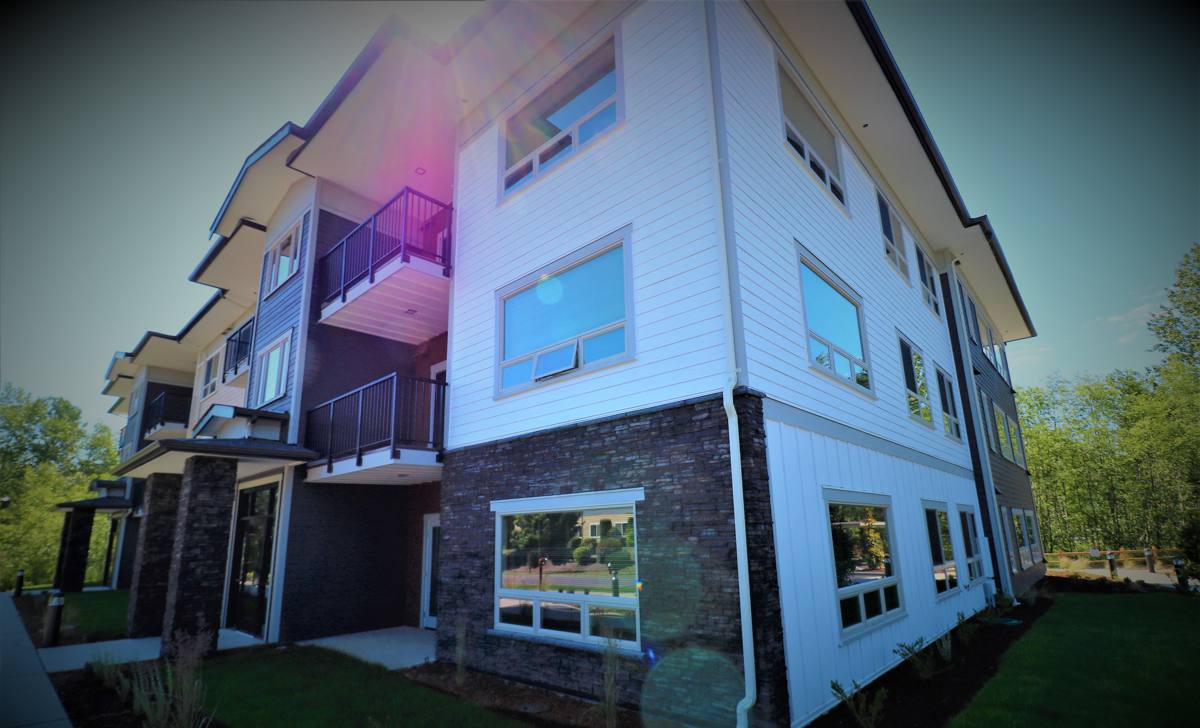
What Pinellas County's Coastal Climate Does to Siding
Salt Air and Humidity
Even a few miles inland from the beach, airborne salt settles on exterior surfaces and accelerates corrosion of fasteners, trim, and any metal components in the wall system. Combined with Florida's humidity, it also creates ideal conditions for mold and mildew to take hold on siding materials that hold moisture rather than shed it.
UV Exposure
Florida sun is intense and consistent nearly year-round. Paint film breaks down faster here than in most of the country, which means siding that depends on a field-applied paint job needs repainting more often just to keep its color and its protective layer intact.
Wind and Wind-Driven Rain
Pinellas County sits in a wind-borne debris region, and Belleair's proximity to open water means storms arrive with real force. Wind doesn't just risk tearing siding off the wall — wind-driven rain pushes water sideways and upward, testing every seam, joint, and piece of flashing on the house. A siding system that isn't detailed correctly around windows, doors, and penetrations will let that water in, even if the siding material itself is fine.
Why We Install James Hardie and Nothing Else
We made a deliberate decision to install only James Hardie fiber cement siding, and we stand behind it on every job, including in Belleair. Fiber cement itself — cellulose fiber, sand, and cement — is non-combustible and dimensionally stable, meaning it doesn't expand and contract with heat and moisture the way wood-based products do. That stability matters a great deal in a climate that cycles through humidity, heat, and heavy rain all year.
Within fiber cement, James Hardie is engineered specifically for regional climate conditions through its HardieZone system. Homes in our part of Florida fall into the HZ5 climate zone, and Hardie's HZ5 products are formulated for the humidity, moisture exposure, and pest pressure typical of the Gulf Coast. That's a meaningfully different product than a generic fiber cement board designed for a dry climate.
Hardie's ColorPlus factory-applied finish is the other piece of the equation. It's baked on under controlled conditions rather than brushed on at the jobsite, which gives it better UV resistance and adhesion than field-applied paint, and it comes with its own finish warranty separate from the product warranty. For a home exposed to Belleair's sun load, that finish durability is not a cosmetic extra — it's the difference between repainting every several years and going a long time without needing to touch the color at all.
How Fiber Cement Compares to the Alternatives
Homeowners in Belleair often ask us to weigh in on vinyl, LP SmartSide, or other fiber cement brands before committing. Here's an honest, general comparison of how these materials tend to hold up in a Gulf Coast climate:
| Material | Moisture Behavior | Wind Performance | Maintenance |
|---|---|---|---|
| James Hardie Fiber Cement (HZ5) | Non-combustible, dimensionally stable, resists moisture-driven swelling | Engineered and rated for high-wind installation when installed to spec | Factory finish, infrequent repainting |
| Vinyl Siding | Doesn't absorb water, but seams and panels can allow water behind the cladding | Can crack, warp, or blow off in sustained high winds | Low upkeep but limited lifespan in intense UV and heat |
| Engineered Wood (e.g., LP SmartSide) | Wood-strand core is vulnerable to swelling and edge damage if moisture gets in | Performs reasonably when new and properly sealed | Relies on consistent caulking and repainting to stay protected |
| Other Fiber Cement Brands | Varies by manufacturer's formulation and climate engineering | Varies by product and installation spec | Often requires field-applied paint rather than a factory finish |
This isn't a claim that other products are unusable — it's why, after weighing these trade-offs, we standardized on one system we can install correctly and stand behind every time.
What a Correct Fiber Cement Installation Actually Involves
The material is only half the equation. Most siding failures we see on coastal homes trace back to installation shortcuts, not the product itself. A correct James Hardie installation in a climate like Belleair's includes:
- Proper clearance between the bottom edge of the siding and the ground, roofline, decks, and patios, so water and moisture don't wick into the board
- Correctly lapped and sealed weather-resistant barrier behind the siding, giving the wall a drainage plane if any water does get past the cladding
- Flashing installed at every window, door, and penetration — not caulk used as a substitute for flashing
- Fasteners driven to Hardie's specification for fastener type, spacing, and depth, which matters directly for wind performance
- Correctly sized gaps at butt joints and trim, caulked with a high-quality sealant rated for exterior movement and UV exposure
- Field-cut edges primed and sealed per manufacturer instructions before installation, protecting the cut edge from moisture intrusion
Skipping any one of these doesn't necessarily show up right away. It shows up two, five, or ten years later as a soft spot, a stain, or a section that has to be torn out and redone — usually costing more than doing it right the first time would have.
Our Process on a Belleair Job
We follow the same disciplined process on every home, adjusted for the specific house in front of us:
- On-site assessment. We walk the full exterior, checking existing siding condition, trim, flashing, and any signs of moisture intrusion behind the current cladding.
- Written estimate. You get a clear scope of work and pricing before anything starts — no vague allowances.
- Prep and tear-off. Old siding comes off, the substrate is inspected for hidden damage, and any rot or compromised sheathing is addressed before new material goes up.
- Weather barrier and flashing. This is the step that determines how the wall performs in wind-driven rain, and we don't rush it.
- Hardie installation to spec. Fastening, clearances, and joints installed per James Hardie's published requirements — the same requirements that keep the product warranty valid.
- Final walkthrough. We review the finished work with you and address anything before we consider the job done.
Signs a Belleair Home's Siding Needs Attention
Because siding failure is often gradual, homeowners frequently don't realize there's a problem until it's advanced. Worth checking for periodically, especially after storm season:
- Soft or spongy spots when you press on the siding, particularly near the bottom courses
- Visible warping, buckling, or gaps that weren't there before
- Peeling or bubbling paint, which can indicate moisture trapped behind the finish
- Staining or streaking that keeps returning after cleaning
- Cracked or missing caulk at joints, trim, and around windows and doors
- A musty smell or visible mold near exterior walls on the interior
If you're seeing any of these on a home in Belleair, it's worth having it looked at before the next storm season rather than after.
What Drives Cost on a Fiber Cement Siding Job
Every home is different, so we don't publish blanket pricing, but these are the main factors that affect the cost of a fiber cement siding project:
| Factor | Why It Matters |
|---|---|
| Home size and wall complexity | More corners, gables, and architectural detail mean more cutting, flashing, and labor |
| Current siding condition | Hidden rot or sheathing damage found during tear-off adds repair scope |
| Siding profile and Hardie product line | Lap siding, shingle-style panels, and board-and-batten differ in material and labor cost |
| Trim and accessory work | Fascia, soffit, and trim replacement alongside siding adds to the scope |
| Access and site conditions | Landscaping, fencing, and building height can affect labor time |
We walk through all of this in person before giving you a number, so you know exactly what you're paying for and why.
Why Hiring a Crew That Already Works in Belleair Matters
A crew that regularly works in and around Largo and Belleair already understands the practical realities of this area: the wind exposure that comes with proximity to the Gulf, the humidity load that Pinellas County homes deal with year-round, and the permitting and inspection expectations that apply locally. That familiarity shows up in the details — correct fastening for the wind zone, flashing that accounts for wind-driven rain rather than just vertical rainfall, and a finished job that's built to hold up to the specific conditions this area sees, not generic conditions from somewhere else.
It also means a contractor who isn't learning the local climate on your house. Coastal siding work has a narrow margin for error, and the cost of getting it wrong is paid by the homeowner years later, not by the crew that left. We'd rather get it right the first time.
Caring for Your New Siding
James Hardie siding is low-maintenance, not no-maintenance. A little routine care goes a long way toward getting the full lifespan out of it in a coastal climate:
- Rinse the exterior periodically to remove salt residue and airborne grime, especially on sides of the home facing prevailing wind
- Inspect caulking at trim and joints annually and have any cracked or missing sections resealed
- Keep sprinklers and irrigation from spraying directly on the siding long-term
- Trim back vegetation that holds moisture against the wall
- Have the exterior looked at after any major storm, even if nothing looks obviously wrong
Get a Local Estimate
If you're weighing siding options for a home in Belleair or anywhere else near Largo, we're glad to take a look and give you an honest, no-pressure estimate. Fill out the form below and we'll follow up to schedule a time to walk the property with you.