 Largo Siding
 New-Construction Windows for Dunedin Homes
When a home is being built from the ground up, added onto, or gutted to the studs, the windows go in differently than they would on a standard replacement job. New-construction windows have a nailing fin or flange that fastens directly to the framing (or a masonry "buck" on block homes), and they get integrated into the wall assembly before the exterior finish goes on. Get that step wrong and every siding, stucco, or paint job that follows it inherits the problem. Get it right, and the window becomes part of a wall system that can actually stand up to what Dunedin's weather throws at it.
We install new-construction windows for builders, general contractors, and homeowners managing their own additions throughout the Largo and Dunedin area. This page covers what that job actually involves — not the retrofit "pocket window" work that goes into an existing opening, but the ground-up installation that happens while walls are open.
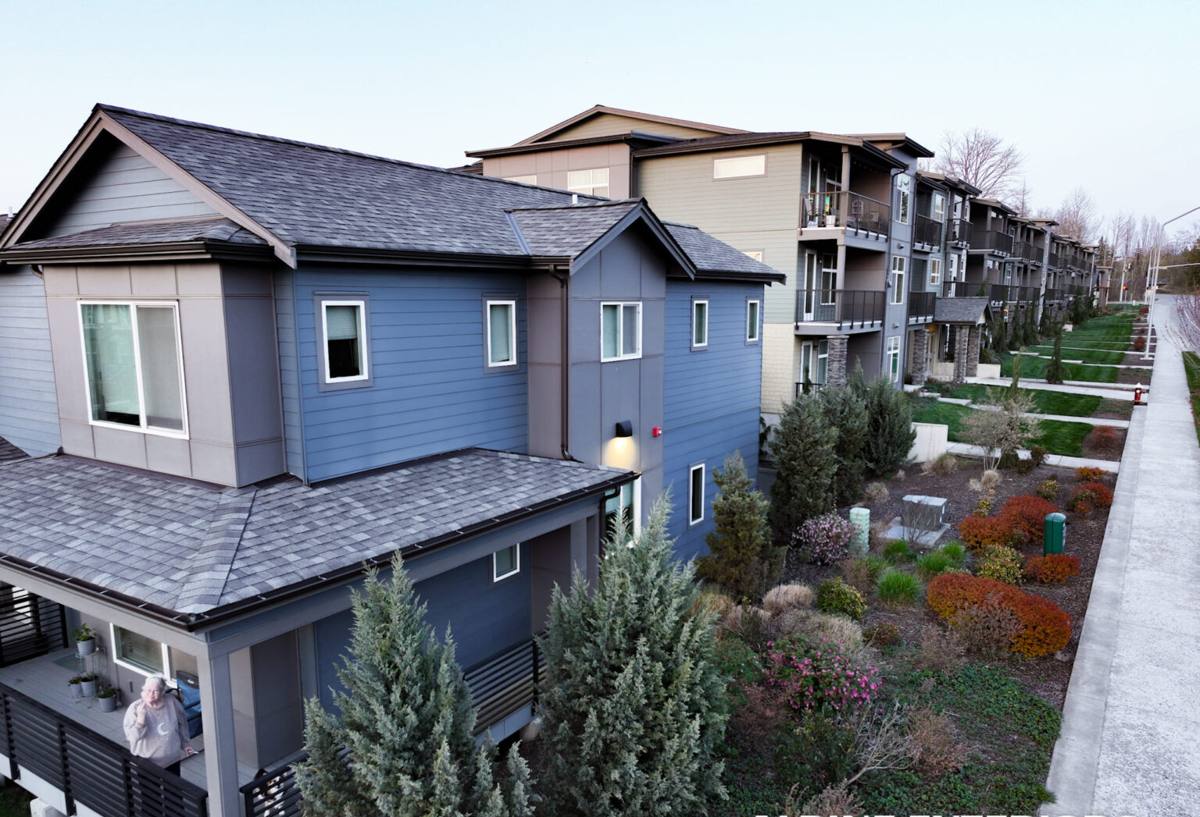
What Dunedin's Climate Demands From a New Window
Dunedin sits on Pinellas County's Gulf coast, and that location shapes almost every decision on a new-construction window job:
- Hurricane-force wind: Framing, anchoring, and the window unit itself all have to hold under sustained wind loads and repeated pressure cycling, not just a single gust.
- Wind-driven rain: Storms here don't just blow water at a wall — they drive it sideways and upward. Flashing details that work fine in a drier climate can fail here within a few seasons.
- Intense, year-round UV: Florida sun degrades cheap vinyl, dries out sealants, and fades interior finishes faster than most other parts of the country.
- Salt air: Even a few miles inland from the Gulf, airborne salt accelerates corrosion on hardware, fasteners, and metal components that aren't rated for coastal exposure.
None of this means a new-construction window is exotic or specialty work. It means the ordinary steps — framing tolerance, flashing sequence, fastener selection, sealant choice — have less margin for error than they would somewhere without our climate.
The Florida Building Code Baseline
Pinellas County falls within Florida's designated wind-borne debris region, which means new-construction windows generally need to be impact rated — or paired with code-compliant shutter protection — regardless of the specific storm category a building is designed for. That's a baseline requirement for permitting, not an upsell.
Every window installed has to carry either a Florida Product Approval number or a Miami-Dade Notice of Acceptance, and impact-rated units are tested to standards like ASTM E1996 (impact resistance) and ASTM E1886 (cyclic pressure loading). On the energy side, Florida's energy code sets U-factor and solar heat gain coefficient limits based on climate zone, which for our area means glass has to manage heat gain, not just wind.
Two common installation paths in this area
| Installation Method | Typical Use | Key Consideration |
|---|---|---|
| Nailing-fin (flange) install | Wood-framed walls, additions, some new builds | Fin fastens to sheathing; relies on correct flashing sequence with the weather-resistant barrier |
| Block/masonry "buck" install | Concrete block (CBS) construction, common in Florida new builds | Window sets into a wood or PVC buck anchored to block; buck must be sealed and fastened to spec |
Which method applies depends on how the home is framed, not on preference — and it needs to be decided before the rough openings are even final, so it's worth involving us while the wall assembly is still on paper or freshly framed.
Getting the Installation Right: Rough Openings, Flashing, and Sealing
A new-construction window installation lives or dies on details that are invisible once the exterior finish goes on. This is where most long-term leaks and callbacks originate — not from the window unit itself, but from how it was integrated into the wall.
What a correct install involves
- Verifying rough opening size and squareness against the window manufacturer's specs before the unit ever goes in
- Sloped sill pan flashing so any water that gets past the window drains outward, not into the wall cavity
- Self-adhered flashing tape or code-compliant equivalent, applied in the correct shingle-lap order (sill, then jambs, then head) so water sheds downward at every layer
- Proper integration with the weather-resistant barrier — flashing has to tie into it correctly, not just sit on top of it
- Corrosion-resistant fasteners rated for coastal use, driven to the pattern and spacing the product approval requires
- Sealant compatible with both the window frame material and the exterior finish going over it, applied where it does the job — not smeared everywhere as a substitute for correct flashing
- Shimming that supports the frame without bowing it, so the window operates correctly for its lifespan
Skipping any one of these doesn't usually cause an immediate failure. It shows up eighteen months to a few years later as a stained wall board, a soft spot near a sill, or a window that's suddenly hard to open — after the finish work has already gone in and the fix is far more disruptive.
Frame and Glass Choices for Coastal New Construction
New construction gives you a real choice of frame material and glass package, since you're not constrained by an existing opening. For Dunedin's coastal exposure, the trade-offs look like this:
| Factor | What to Weigh |
|---|---|
| Frame material | Vinyl resists corrosion and needs little maintenance but can expand/contract more in extreme heat; aluminum is strong and slim-profile but conducts heat and needs corrosion-resistant coatings near salt air; fiberglass sits between the two on cost and stability |
| Impact glass package | Laminated impact glass adds upfront cost but can reduce or eliminate the need for separate shutter systems and generally lowers ongoing maintenance |
| Low-E coating | Cuts solar heat gain, which matters more here given year-round sun than it would in a milder climate |
| Hardware and fasteners | Marine-grade or coated hardware holds up longer against salt air than standard-grade components |
| Number and size of openings | More or larger openings mean more structural framing and flashing detail, which affects both cost and schedule |
We'll walk through these trade-offs with you or your builder based on the specific plan — there's no single "right" answer that fits every home, orientation, and budget.
How We Work With Your Builder or GC
Most new-construction window jobs we take on involve coordinating with someone else's schedule — a builder framing the shell, a GC managing an addition, or a homeowner acting as their own GC. That means:
- Confirming window sizes and rough opening dimensions against approved plans before framing locks them in
- Scheduling around the framing and dry-in sequence so windows go in at the right point — not too early, not after sheathing decisions have already limited flashing options
- Working from the same product approval documentation the permit reviewer will be checking
- Flagging any opening that doesn't match spec before it becomes a change order after the fact
Showing up mid-build without that coordination is how delays and rework happen. We'd rather have a short conversation early than a change order later.
Our Process for Dunedin New-Construction Installs
- Plan review: We look at window schedules, rough opening sizes, and wall assembly details before anything is ordered.
- Product selection: We match frame material, impact rating, and glass package to the home's exposure and the homeowner's or builder's priorities.
- Timing coordination: We schedule installation to line up with the framing and dry-in stage, not before openings are final and not after sheathing is closed up.
- Installation: Rough opening verification, flashing, fastening, and sealing performed to the manufacturer's instructions and the product approval on file.
- Documentation: We keep the product approval and installation records available for the inspection process.
- Final check: Every window is confirmed operable, sealed, and squared before we call the job done.
Why Hire a Crew That Already Works in Dunedin
New-construction window work isn't just a product install — it's a wall-assembly decision that has to satisfy Pinellas County permitting, hold up to Gulf-coast weather, and coordinate with whoever else is building the house. A crew that already works this area knows the local permitting process, has already made these frame and flashing decisions dozens of times for homes facing the same wind and salt exposure, and isn't learning the region's requirements on your job. That familiarity is what keeps a new-construction window install from becoming a source of problems five years down the road.
If you're building new, adding on, or working with a GC on a project in Dunedin or elsewhere in the Largo area, we're happy to take a look at the plans and talk through what the openings need. There's no pressure and no cost to get an estimate — just a straightforward look at what the job actually requires.