 Largo Siding
 Windows Built for Dunedin's Coastal Climate
Dunedin sits close enough to the water that homes here take a different kind of beating than houses even a few miles inland. Salt air moves through window frames and hardware year-round, the sun is intense enough to break down seals and finishes faster than manufacturers' standard testing accounts for, and when a named storm tracks through Pinellas County, wind-driven rain will find every weak point in a window's installation. If you're replacing windows on a Dunedin home, the product and the install both need to be chosen with that specific combination in mind — not just "hurricane windows" in general, but windows and flashing details that hold up to salt exposure and constant UV on top of wind load.
We install custom windows for homeowners throughout the Largo and greater Pinellas County area, including Dunedin, and we size, spec, and flash every job around what the local climate actually does to a house over time — not just what's required to pass inspection on day one.
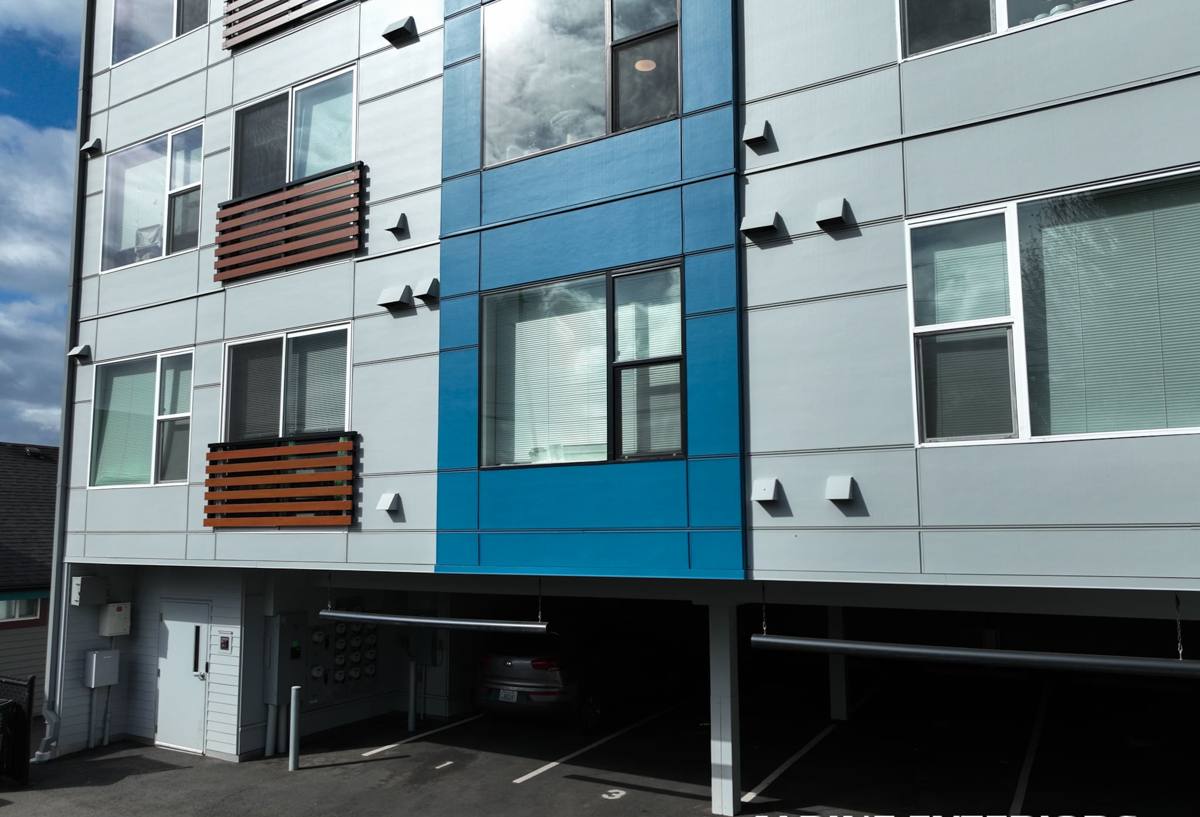
What Dunedin's Climate Actually Does to Windows
Hurricane and Tropical Storm Wind Loads
Pinellas County's wind zone requirements mean new and replacement windows generally need to meet Florida Building Code impact standards, either through impact-rated glass or an approved protective system. During a storm, wind doesn't just push on glass — it pressurizes the whole building envelope, and a window that isn't anchored and flashed correctly can fail at the frame or the rough opening before the glass itself ever gives way. This is why installation quality matters as much as the window's rating on paper.
Salt Air and Corrosion
Being close to the Gulf and Intracoastal, Dunedin homes deal with airborne salt that accelerates corrosion on hardware, screens, and unprotected metal components. Cheaper hinges, cranks, and fasteners can start showing rust or seizing up years before a window's glass or frame shows any wear. We spec corrosion-resistant hardware for coastal-adjacent homes for this reason, not as an upsell but because it's the difference between a window that operates smoothly at year ten and one that's already stuck.
Year-Round UV Exposure
Florida sun is intense on a near-daily basis, not just in summer. UV breaks down vinyl and low-quality seals over time, which shows up as yellowing frames, brittle weatherstripping, and eventually seal failure that lets moisture and air infiltrate. Glass packages with the right Low-E coating help cut down on both UV degradation of interior furnishings and cooling costs, which matters in a climate where AC runs most of the year.
Wind-Driven Rain
Even outside of tropical systems, Pinellas County gets sideways summer rain regularly. A window can be correctly rated for wind and still leak if the flashing, sill pan, and sealant details around the rough opening aren't done right. Most water intrusion problems we find on window jobs trace back to installation, not the product itself.
What a Correct Window Job Involves
A window replacement is really two separate things: the product you choose, and the install that ties it into the wall. Both have to be right for a Dunedin home to actually perform the way it's supposed to.
- Accurate measurement of each rough opening — Florida homes, especially older ones, often have openings that aren't perfectly square
- Removal of the old window without damaging the surrounding stucco, siding, or framing
- Inspection of the rough opening for rot, moisture damage, or prior flashing failures before the new window goes in
- A proper sill pan and flashing sequence that sheds water outward, not into the wall cavity
- Correct anchoring per the window's Florida Product Approval and the local wind zone requirements
- Low-expansion foam or backer rod and sealant at the perimeter — never just caulk alone as an air and water barrier
- Interior and exterior trim work that's sealed and finished, not just cosmetically caulked over gaps
Skipping or rushing any one of these steps is how a technically good window ends up with a leak, a soft spot in the wall, or hardware that fails early. The window is only as good as the opening it's set into.
Choosing the Right Windows for a Dunedin Home
Impact-Rated vs. Standard Windows with Shutters
Homeowners in this area generally choose between impact-rated windows (laminated glass that resists breakage from wind-borne debris) or standard windows paired with separate storm shutters or panels. Impact windows cost more up front but need no separate storm prep, run quieter day to day, and offer better UV and forced-entry resistance year-round. Shutter systems cost less initially but require someone to deploy them before every storm and don't do anything for you the other 350 days a year.
Frame Material
Vinyl, aluminum, and fiberglass all show up in this market. Vinyl is a common, cost-effective choice, but quality varies a lot between manufacturers — thinner vinyl can warp under sustained Florida heat. Aluminum holds up well structurally and is common in coastal-rated products, though it conducts heat more than other materials without a thermal break. Fiberglass costs more but resists warping and expansion well across temperature swings. We'll walk through the real trade-offs for your home rather than pushing one material as universally best.
Glass Package
Low-E coatings and the specific glass makeup (laminated for impact rating, tinted or reflective for solar control) affect both energy performance and comfort. For west- and south-facing rooms especially, the glass package makes a noticeable difference in afternoon heat gain.
| Factor | What Drives the Cost | What to Watch For |
|---|---|---|
| Window count and size | More openings and larger units mean more material and labor | Bundling multiple windows in one project usually beats doing them piecemeal |
| Impact rating | Laminated impact glass costs more than standard glass plus shutters over time | Ask whether the product carries current Florida Product Approval for this wind zone |
| Frame material | Vinyl is typically the entry point; fiberglass and higher-end aluminum cost more | Cheap vinyl can warp under sustained heat — ask about the specific product line, not just "vinyl" |
| Opening condition | Rot, out-of-square framing, or old flashing failures add repair work before install | Get this assessed before you're quoted a firm price |
| Trim and finish work | Stucco patching, interior trim, and paint matching add labor | Confirm whether exterior stucco repair is included or billed separately |
How Our Process Works
1. On-Site Assessment
We look at each opening individually — not just measure for a quote, but check the condition of the framing, existing flashing, and any signs of past water intrusion. This tells us if there's underlying repair work that needs to happen before new windows go in.
2. Product Selection
We walk through impact rating requirements for your specific property, frame material trade-offs, and glass package options based on which walls of the house take the most sun and weather. No pressure toward the most expensive option — just an honest read on what fits your home and budget.
3. Installation
Old windows come out carefully to protect surrounding stucco or siding. Openings get inspected and repaired if needed. Every window goes in with proper sill pan flashing, correct anchoring for the wind zone, and sealed, insulated perimeters — not just set in place and caulked.
4. Finish and Walkthrough
Interior and exterior trim is finished, operation is checked on every window, and we walk the job with you before calling it done.
Why Hire a Crew That Already Works in Dunedin
Window installation standards aren't identical everywhere in Florida — wind zone requirements, typical construction types, and common problem areas (like older stucco homes with settled or slightly out-of-square openings) vary by area. A crew that regularly works Dunedin and the surrounding Largo area already knows what to expect from the local housing stock, what the permitting process looks like in Pinellas County, and how to flash a window correctly for a home that's going to face salt air and storm-driven rain, not just wind on a spec sheet. That local familiarity shows up in fewer surprises mid-job and a finished install that's actually built for where it sits.
Signs Your Current Windows Need Attention
- Fogging or condensation between panes, which means the seal has failed
- Difficulty opening, closing, or locking — often a sign of frame warping or corroded hardware
- Visible daylight or air movement around the frame when closed
- Soft or discolored drywall, trim, or stucco near a window, which can indicate water intrusion
- Windows that predate current impact standards and offer no storm protection on their own
- Noticeably higher cooling bills with no other explanation
Any one of these is worth a look before it turns into a bigger repair. Windows tend to fail quietly at first — a slow seal breakdown or a small flashing gap — and then show up as a much bigger problem after a hard rain or a storm season.
If you're considering new windows for a Dunedin home, we're happy to take a look and give you a straightforward, no-pressure estimate — just fill out the form below.