 Largo Siding
 Why Pinellas Park Decks Don't Last Like They Used To
If you own a home in or around Pinellas Park, you already know your deck works harder than a deck almost anywhere else in the country. Pinellas County sits on a peninsula, which means every board, fastener, and footing on an outdoor deck is dealing with intense year-round UV exposure, wind-driven rain that gets pushed sideways into ledger boards and railings, salt-laden air drifting in off the Gulf and Tampa Bay, and the occasional hurricane-force wind event that puts real lateral load on the structure. None of that is exotic or rare here — it's just Tuesday. A deck built with materials or techniques meant for a drier, milder climate will show its age in Pinellas Park years before it would somewhere inland.
We're a Largo-based crew, and Pinellas Park is one of the communities we work in regularly. That matters for a job like deck replacement because the failure patterns here are consistent and predictable once you've seen enough of them — and a lot of that knowledge doesn't show up in a generic install manual.
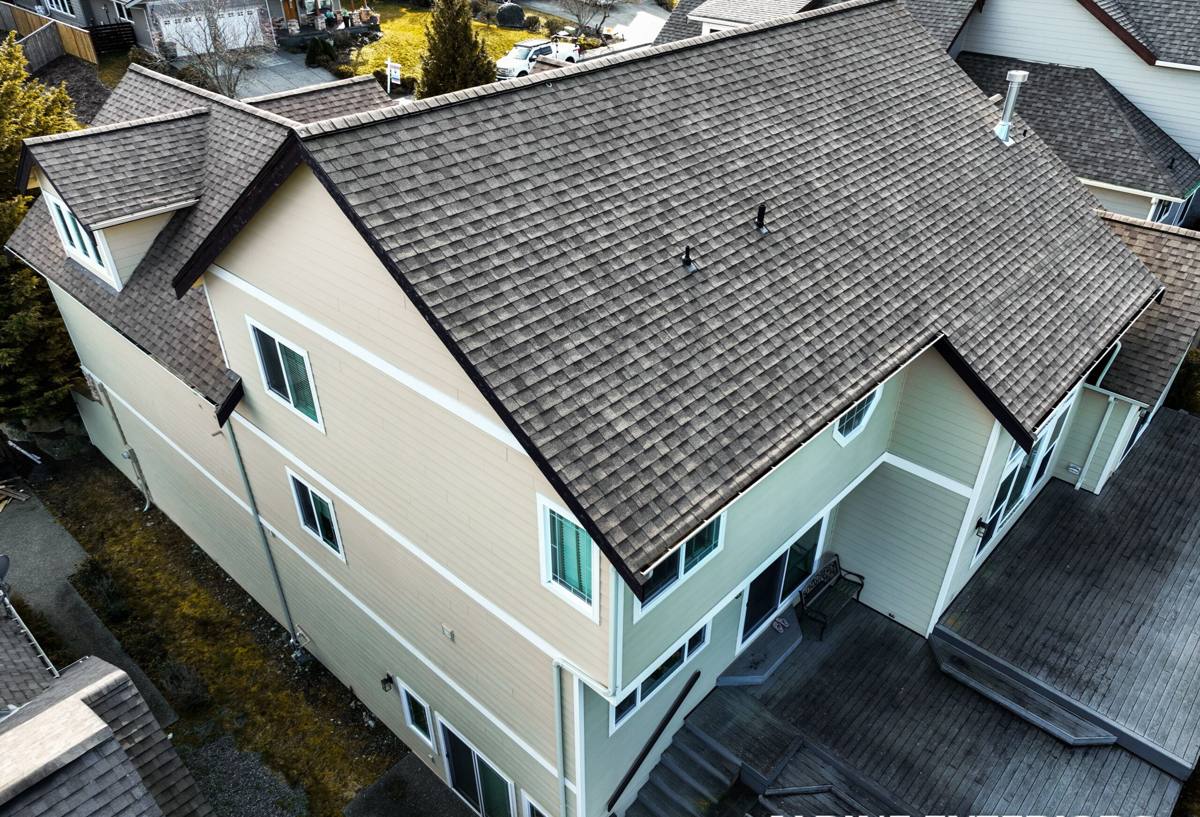
How Florida Climate Actually Damages a Deck
UV and Heat
Constant sun breaks down the lignin in wood fibers and degrades the UV inhibitors in composite and PVC decking over time. You'll see this as graying, surface checking, and fading long before the structure itself is compromised. Dark-colored decking also runs noticeably hotter underfoot in a Pinellas Park summer, which is worth thinking about at the material-selection stage, not after installation.
Wind-Driven Rain and Humidity
Rain in this region rarely falls straight down. Wind pushes it under railings, into ledger board connections, and along the top of joists where standing water can sit if drainage wasn't detailed correctly. Combined with the region's humidity, that moisture doesn't evaporate quickly — which is exactly the condition that leads to hidden rot in framing and fastener corrosion.
Salt Air
Even homes that aren't waterfront get salt exposure carried inland on Gulf breezes. Salt accelerates corrosion in standard fasteners, joist hangers, and structural screws. It's one of the most overlooked reasons a deck that "looks fine" on the surface can have failing connections underneath.
Wind Load
Pinellas County decks need to be built to resist uplift and lateral wind forces, not just support foot traffic and furniture weight. This affects everything from post spacing to how railings and stair stringers are fastened. It's not optional engineering — it's what keeps a deck attached to the house and standing after a bad storm season.
Signs Your Deck Needs Replacement, Not Just Repair
Not every tired-looking deck needs to be torn out. But there's a point where patching individual boards stops making sense and a full replacement is the honest recommendation. Here's what we look for:
- Soft, spongy, or spring-back decking when you walk across it
- Visible rot, splitting, or insect damage at the ledger board (where the deck attaches to the house)
- Rusted, corroded, or missing joist hangers and structural fasteners
- Posts that have shifted, settled, or show rot at the base near grade
- Railings that flex or feel loose under moderate pressure
- Multiple past repairs to different sections, suggesting a systemic rather than isolated problem
- A deck built without proper flashing at the house connection, which is a common source of hidden water damage in older Florida decks
If your deck shows two or more of these, replacement is usually more cost-effective long term than continuing to chase individual repairs.
Choosing Decking Material for This Climate
Material choice matters more here than in most parts of the country because the climate is unforgiving of the wrong pick. There's no single "best" material — it depends on your budget, how much upkeep you want to do, and how long you plan to stay in the home.
| Material | Sun/Salt Performance | Maintenance | Typical Lifespan Here |
|---|---|---|---|
| Pressure-treated wood | Fades and grays without upkeep; fasteners need to be corrosion-rated | Annual sealing/staining recommended | 10-15 years with upkeep |
| Composite decking | Good UV and moisture resistance; quality varies by brand and product line | Occasional cleaning, no sealing/staining | 20-25+ years |
| PVC/capped polymer | Strong UV and moisture resistance; won't absorb water | Low — mostly cleaning | 25+ years |
| Tropical hardwoods (e.g. ipe) | Naturally dense and rot-resistant, but still grays without oiling | Requires periodic oiling to keep color | 20-30 years, upkeep-dependent |
We install what fits the homeowner's priorities rather than pushing one product line. Wood keeps upfront cost down but asks for real annual maintenance in a climate that's hard on exposed wood. Composite and PVC cost more up front but trade that for far less ongoing work, which a lot of Pinellas Park homeowners find worth it once they've maintained a wood deck through a few Florida summers.
What a Correct Deck Replacement Actually Involves
A deck replacement is more than pulling up old boards and screwing down new ones. Done correctly, it includes:
Structural Assessment
Before any demo, we check the ledger board connection, footings, posts, and beam sizing against current load requirements. If the original deck was undersized or improperly attached — which we see often in older Pinellas County homes — that gets corrected, not repeated.
Proper Flashing and Waterproofing
The ledger board connection to the house is the single most common failure point on any deck in this climate. Correct flashing keeps wind-driven rain from working its way behind the siding and into the house structure — a detail that's easy to skip and expensive to ignore.
Corrosion-Resistant Hardware
Given the salt air throughout Pinellas County, we use fasteners and joist hangers rated for coastal exposure, not standard hardware that will corrode within a few seasons.
Wind-Rated Fastening and Framing
Post connections, joist spacing, and railing attachment are built to hold up against the lateral and uplift forces that come with hurricane-season wind events, per Florida Building Code requirements for this region.
Drainage and Airflow
We grade and space decking to shed water rather than trap it, and make sure there's enough airflow underneath the deck to let the structure dry out after rain instead of staying damp.
Permitting in Pinellas County
Deck replacement in Pinellas Park typically requires a building permit, since it involves structural work attached to your home. Permitting confirms the new structure meets current Florida Building Code wind and load requirements — which matters both for safety and for insurance and resale purposes down the line. We handle the permitting process as part of the job rather than leaving it to the homeowner to sort out.
Our Process, Start to Finish
- Free on-site estimate: We inspect the existing deck, discuss material options, and give you an honest read on whether repair or full replacement makes sense.
- Written proposal: Clear scope, materials, and pricing — no vague allowances you have to chase down later.
- Permitting: We pull the required permit and coordinate inspections with Pinellas County.
- Demolition and disposal: Old decking, framing, and hardware removed and hauled off.
- Structural rebuild: Footings, posts, beams, and joists installed or corrected to current code and wind-load standards.
- Decking, railing, and stair installation: Installed per manufacturer spec for your chosen material.
- Final walkthrough: We go over the finished deck with you, including basic care guidance for your specific material.
What Affects the Cost of a Deck Replacement
Every deck is different, so we don't quote sight unseen — but the main cost drivers are usually the same:
- Deck size and footprint
- Material choice (pressure-treated wood vs. composite vs. PVC vs. hardwood)
- Height off the ground and whether stairs are involved
- Condition of the existing structural framing and whether it can be reused or must be rebuilt
- Railing style and any custom features (built-in benches, multi-level design, pergola tie-ins)
- Access to the work area for equipment and material delivery
Broadly speaking, a straightforward pressure-treated wood replacement will cost less up front than a full composite or PVC rebuild, but the material comparison table above is worth weighing against your maintenance tolerance and how long you plan to keep the home.
Why a Largo Crew That Already Works Pinellas Park Matters
Deck construction standards aren't identical everywhere — coastal Pinellas County has specific wind-load and moisture considerations that a crew unfamiliar with the region can easily get wrong. Working locally in and around Largo and Pinellas Park means we're not guessing at how the climate here treats a deck over time; we're building based on what we've actually seen fail and why. It also means faster response for estimates, follow-up questions, and warranty service after the job is done, instead of waiting on a crew that has to travel in from elsewhere in the state.
Caring for Your New Deck
Whatever material you choose, a little routine care goes a long way in this climate. Rinse off salt residue and debris periodically, especially after storms. Keep gutters and downspouts near the deck clear so water isn't dumping directly onto or under it. For wood decking, plan on resealing or staining on a regular schedule rather than waiting until it visibly fades. For composite or PVC, occasional washing is usually enough, but check manufacturer guidance for your specific product. Inspect railings and stairs once or twice a year for any looseness, and address small issues before they become structural ones.
If your deck in Pinellas Park is showing its age, or you just want an honest opinion on repair versus replacement, we're happy to take a look. Request a free, no-pressure estimate using the form below and we'll walk the property with you and lay out your options straight.