 Largo Siding
 Deck Building for Indian Rocks Beach Homes
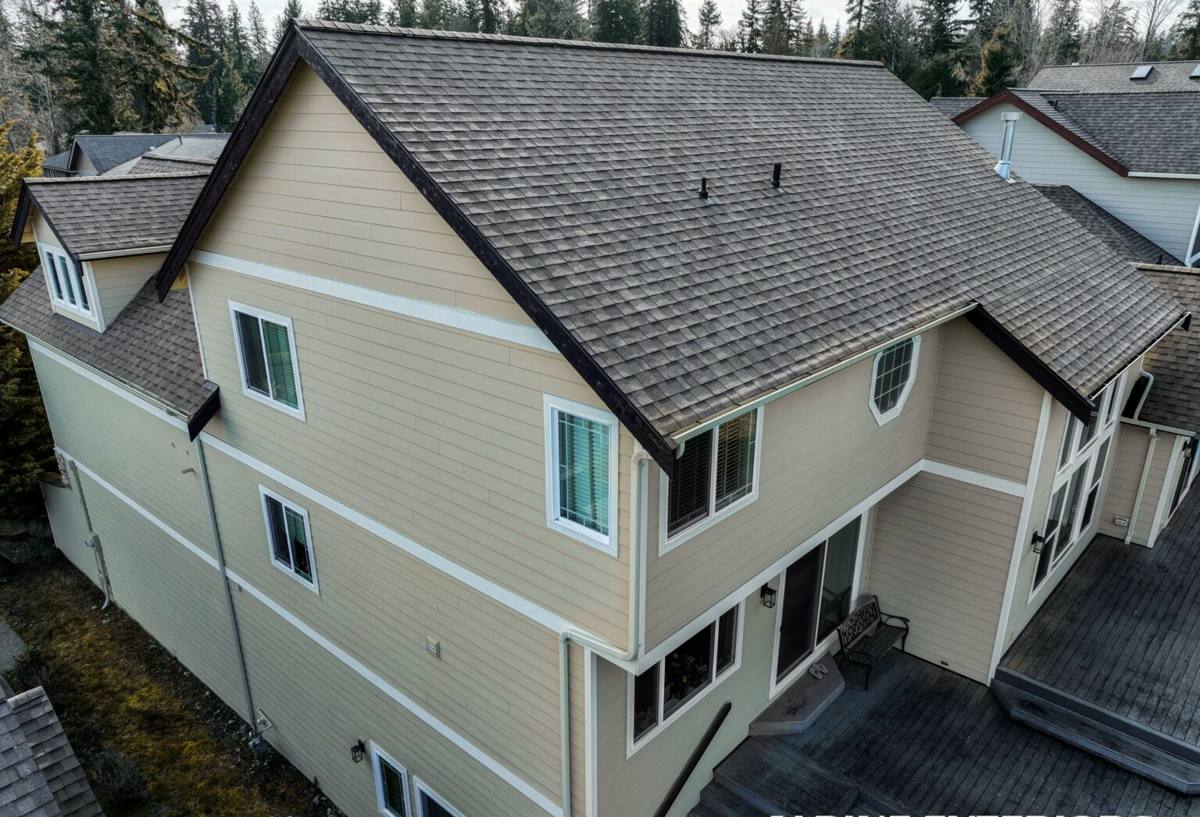
Indian Rocks Beach sits right on the barrier island strip of Pinellas County, which means any deck built here is going to live a harder life than one built a few miles inland in Largo proper. Salt air rolls in off the Gulf every day, sun exposure is close to constant, and when storms come through, wind and wind-driven rain hit these properties first. We build decks for this stretch of coastline regularly, and the approach we take here is different from what we'd spec for a shaded backyard deck in a inland neighborhood.
This page covers what actually matters for a deck built in this specific environment: material selection, framing and fasteners, how we structure the build, and what it takes to keep a deck sound for the long haul this close to the water.
What Coastal Conditions Actually Do to a Deck
It helps to understand the specific ways a beach-proximity environment attacks a deck, because it changes almost every decision in the build.
Salt Air and Corrosion
Airborne salt doesn't just sit on the surface — it works into any exposed metal fastener, connector plate, or bracket over time. Standard hardware corrodes noticeably faster within a few blocks of the Gulf than it does inland. This is the single biggest factor that separates a deck built to last on Indian Rocks Beach from one that starts showing rust streaks and loosening connections within a couple of seasons.
UV Exposure
Florida sun is intense everywhere, but a deck with no tree canopy near open water gets close to full-day exposure. UV breaks down wood fibers, fades composite color, and dries out sealants and finishes faster than most homeowners expect. Materials and finish schedules both need to account for this.
Wind-Driven Rain and Moisture Cycling
Decks here go through constant wet-dry cycling — humid mornings, afternoon storms, salt spray, then hours of direct sun. That cycling is hard on any organic material and is exactly the condition that causes warping, cupping, and fastener backing-out if the wrong products or techniques are used.
Wind Load
Pinellas County requires construction to meet Florida Building Code wind provisions, and homes closer to open water and higher elevation are typically in higher wind-speed design zones. Deck framing, ledger attachment, and railing systems all need to be engineered to hold up under storm-force wind, not just everyday use.
Choosing Decking Material for This Environment
There's no single "best" decking material — there's a best material for this specific exposure, this budget, and how the homeowner wants to spend their weekends. Here's how the common options actually perform in a high-salt, high-UV coastal setting.
| Material | Salt Air Performance | Maintenance | Typical Lifespan Here |
|---|---|---|---|
| Pressure-treated pine | Fair — needs consistent sealing to resist moisture and salt intrusion | Annual cleaning and re-sealing recommended | 10-15 years with upkeep |
| Composite decking | Good — doesn't absorb moisture like wood, resists salt staining | Periodic washing, no sealing/staining needed | 20-25+ years, varies by product warranty |
| Tropical hardwoods (e.g. ipe) | Very good natural density, but hardware and fastener choice matters more than the wood itself | Oiling every 1-2 years to maintain color, otherwise low | 25+ years if fasteners hold up |
| PVC/cellular decking | Excellent — fully synthetic, doesn't absorb salt or moisture | Lowest — occasional washing | 25-30+ years |
For a lot of Indian Rocks Beach homeowners, composite or PVC decking makes the most practical sense simply because it removes the sealing and staining maintenance cycle that salt air makes more demanding. That said, pressure-treated wood is still a reasonable choice for homeowners who want a lower up-front cost and are willing to keep up with sealing — we'll walk through the honest trade-offs for your specific project rather than push one product line.
Framing, Ledgers, and Structural Connections
The decking surface is what everyone sees, but the framing underneath is what determines whether the deck is actually safe and code-compliant. This is where a lot of older or lower-quality deck work in coastal Pinellas County falls short.
- Ledger attachment: Where the deck ties into the house has to be properly flashed and bolted — this connection carries a huge share of the structural load and is a common failure point when done wrong.
- Joist hangers and structural connectors: We use hot-dip galvanized or stainless steel connectors rated for coastal/salt exposure, not standard-grade hardware that's fine inland but corrodes quickly near the Gulf.
- Post footings: Footing depth and sizing follow Florida Building Code requirements for the local wind zone and soil conditions, not generic minimums.
- Beam and joist spacing: Sized for the actual span and load, not stretched to save on lumber.
- Railing systems: Required by code at deck heights above a certain threshold, and need to be engineered to resist both everyday use and wind loading — not just decorative.
Fasteners and Hardware — The Detail That Gets Skipped
This is worth its own section because it's the single most common shortcut we see in decks that fail early this close to the water. Standard zinc-coated screws and nails look fine on day one, but in a salt-air environment they can start corroding within months, leading to rust streaking, weakened holding power, and eventually loose boards or failing connections.
For coastal builds we spec stainless steel or coated fasteners rated specifically for salt exposure, along with corrosion-resistant structural hardware throughout the frame. It costs more up front than generic hardware, but it's the difference between a deck that's still tight and solid in ten years and one that needs fastener replacement or board repair within two or three.
Our Deck Building Process
Every deck we build in Indian Rocks Beach follows the same core process, adjusted for the specific home, lot, and material choice.
- On-site assessment: We look at the house structure, ledger attachment point, grading, drainage, and any existing deck or structure being replaced.
- Design and material selection: We walk through decking material, railing style, and layout options based on budget, maintenance preference, and how the space will actually be used.
- Permitting: Deck construction in Pinellas County requires a building permit in most cases, and we handle that process, including engineering documentation where required for wind load compliance.
- Demolition (if replacing an existing deck): Old structure removed, ledger and house connection inspected for hidden rot or water damage before framing begins.
- Framing: Footings, posts, beams, and joists built to code specs for the local wind zone, using coastal-rated hardware throughout.
- Decking and railing installation: Surface material and railing system installed per manufacturer spec (critical for maintaining any product warranty).
- Final inspection and walkthrough: County inspection where required, plus our own walkthrough with the homeowner covering care and maintenance specific to the material chosen.
Permitting in Pinellas County
Most new deck construction and significant deck replacement in Largo and the surrounding Pinellas County beach communities requires a permit, and inspections typically happen at the framing stage and again at final completion. Homes on or near the barrier island can also fall under flood zone or elevation requirements depending on the property, which can affect footing design and how the deck ties into the house. We handle the permit application and coordinate inspections as part of the build — it's not an add-on step, it's built into how we quote and schedule the job.
Keeping a Coastal Deck Sound Long-Term
The material and build quality set the ceiling on how long a deck lasts, but ongoing care determines whether it actually gets there. This is a reasonable maintenance rhythm for a deck in this environment, regardless of material:
- Rinse the deck surface periodically to clear accumulated salt residue, especially after storms
- Inspect fasteners and railing connections at least once a year for corrosion or loosening
- For wood decking, plan on re-sealing or re-staining on a regular cycle — don't wait until it visibly needs it
- Check under-deck framing and ledger area for signs of moisture intrusion or hidden rot
- Keep gutters and drainage around the deck clear so water isn't pooling against posts or footings
- After a named storm, do a visual check of railings and structural connections before heavy use
Why a Local Largo-Based Crew Matters Here
A deck built to a generic spec sheet — the kind that works fine in a lot of the country — isn't automatically right for Indian Rocks Beach. We're based in Largo and build in this specific coastal environment regularly, which means we already know which hardware grades hold up here, what Pinellas County's permitting process actually looks like in practice, and how to talk through material trade-offs honestly instead of defaulting to whatever's cheapest to install. That local familiarity shows up in fewer surprises during the build and a deck that's actually specified for the conditions it has to survive, not just built to a minimum standard and hoped for the best.
If you're planning a new deck or need to replace an aging one in Indian Rocks Beach, we're happy to take a look and walk through honest options for your property. Use the form below to request a free, no-pressure estimate — there's no obligation, and we'll give you a straight answer on what your project actually needs.