 Largo Siding
 Why Clearwater-Area Roofs Wear Differently
A roof in Clearwater doesn't age the same way a roof does further inland. Homes here sit close enough to the Gulf that salt air is a constant presence, working into metal flashing, fasteners, and vents year-round. Add in Pinellas County's intense, near-constant UV exposure, and asphalt shingles lose their oils and granules faster than the manufacturer's climate assumptions account for. Then hurricane season brings wind-driven rain that doesn't just fall on a roof — it gets pushed sideways and upward under edges, ridge caps, and anything that isn't sealed correctly.
None of this means a Clearwater roof is doomed to constant problems. It means repairs have to account for these conditions specifically, not follow a generic checklist written for a milder climate. A patch that would hold up fine in a dry, low-UV region can fail here within a season or two if it wasn't installed with local conditions in mind.
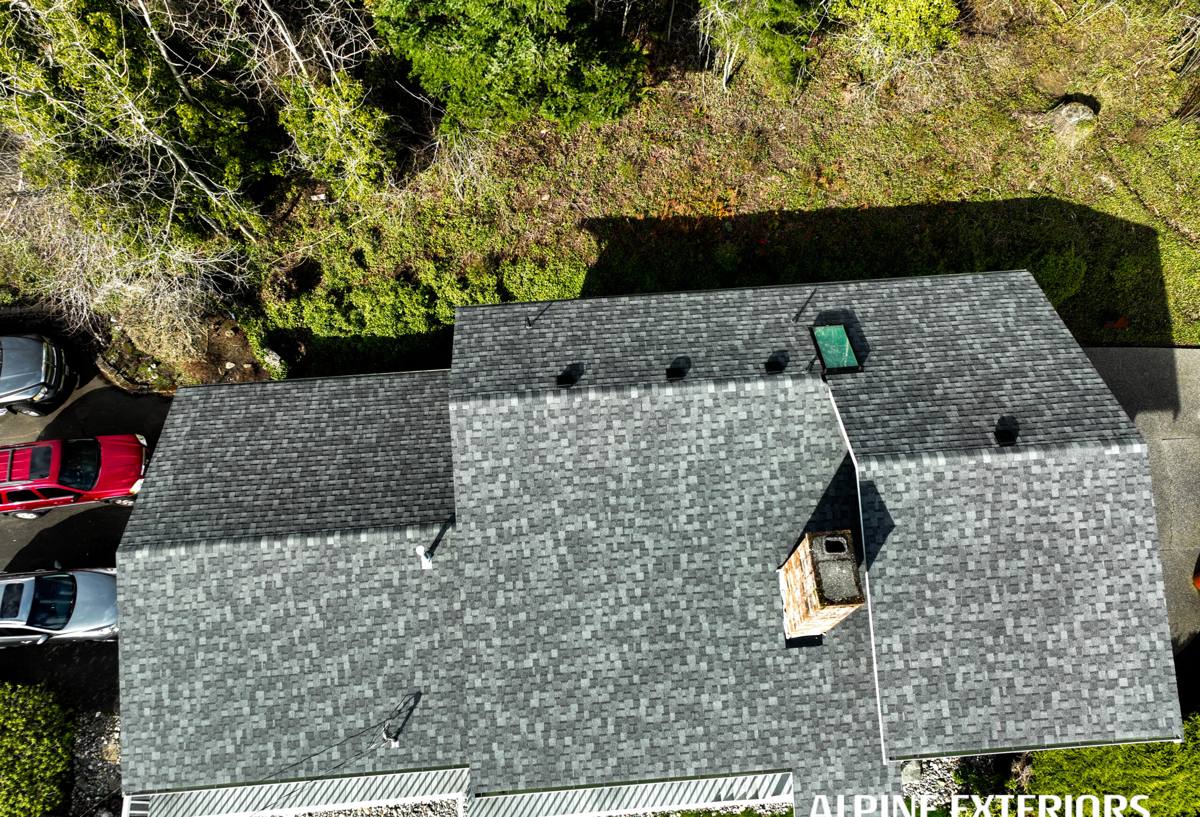
Signs a Repair — Not a Full Replacement — Is the Right Call
Homeowners often assume any roof problem means a total replacement is coming. Most of the time, that's not true. A well-timed repair can add years of service life to a roof that's otherwise sound. Here's what typically points to a repair rather than a full tear-off:
- Isolated shingle damage from a storm — missing, cracked, or lifted shingles in one section rather than across the whole roof
- A leak traced to a single point, like a vent boot, chimney flashing, or a valley
- Granule loss or minor curling in one area while the rest of the roof still has good adhesion and consistent color
- Damage that's recent, with the surrounding roofing material still structurally intact
Full replacement usually makes more sense when the roof is already near the end of its expected lifespan, when damage is spread across multiple sections, or when repeated repairs are starting to cost more over time than a new roof would. Part of an honest inspection is telling a homeowner when a repair is the smarter money decision — and when it isn't.
What a Leak Really Tells You
Water rarely shows up on the ceiling directly below where it entered the roof. It travels along rafters, decking, and insulation before finding a path down. That's why chasing a stain without a proper roof-level inspection often leads to fixing the wrong spot. A correct repair starts on the roof, not in the attic.
What a Correct Roof Repair Actually Involves
A roof repair that's done right is more than swapping out a few damaged shingles. It requires understanding how water moves across a roof system and making sure every layer underneath the visible surface is doing its job.
Matching the Existing System
Shingles, underlayment, and flashing all need to work together. Installing a repair patch with mismatched materials — the wrong shingle profile, incompatible underlayment, or flashing that doesn't tie into the existing system correctly — creates a weak point that's often worse than the original damage, because water can now get trapped between old and new materials instead of shedding off the roof.
Flashing and Penetrations
Most roof leaks in this region don't start in the open field of shingles — they start at flashing: around chimneys, skylights, vent pipes, and roof-to-wall transitions. Salt air accelerates corrosion on metal flashing, and wind-driven rain finds any gap in the seal. A proper repair re-seats or replaces flashing rather than just caulking over a symptom.
Fastening for Wind
Given the wind exposure homes here can see, nail pattern and fastener placement matter as much as the shingle itself. Repairs done with too few nails, or nails placed incorrectly, may look fine on day one and fail during the next significant wind event.
Ventilation Check
Poor attic ventilation traps heat and moisture, which shortens the life of the roofing material above it and can contribute to the very damage being repaired. A thorough repair visit includes a look at whether the roof is ventilating correctly, not just at the immediate damage.
Common Roof Repair Issues We See in Clearwater Homes
| Issue | Typical Cause | Repair Approach |
|---|---|---|
| Lifted or missing shingles | High wind uplift, aging adhesive strips | Replace affected shingles, re-seal adhesive, check fastening on surrounding area |
| Leak at chimney or wall flashing | Corroded or improperly sealed flashing, often accelerated by salt air | Remove and replace flashing, re-integrate with underlayment |
| Granule loss / bald spots | Prolonged UV exposure breaking down shingle surface | Assess remaining shingle life; patch or recommend section replacement |
| Leak around vent pipes | Cracked or deteriorated rubber vent boots | Replace boot, verify seal integrity |
| Soft or sagging deck area | Long-term moisture intrusion into decking | Cut out and replace affected decking before re-roofing that section |
How Our Repair Process Works
- Inspection first. We walk the roof and the attic when accessible, and document what we find with photos before recommending any work.
- Honest diagnosis. We explain what's actually causing the problem, whether it's isolated or a sign of broader wear, and what the realistic options are — including doing nothing yet, if that's genuinely the right call.
- Clear scope and pricing. You know what's being repaired and why before work starts, not after.
- Repair work. Materials are matched to your existing roof system wherever possible, with attention to flashing, fastening, and ventilation, not just the visible damage.
- Cleanup and final check. Job site cleared of debris and nails, and the repaired area is reviewed with you before we consider the job done.
- Documentation. If you're working with an insurance claim, we provide the photos and scope notes that support it.
Repair vs. Replacement: What Actually Drives the Decision
| Factor | Favors Repair | Favors Replacement |
|---|---|---|
| Age of roof | Well within expected lifespan | Nearing or past expected service life |
| Extent of damage | Isolated to one area | Spread across multiple sections |
| Repair history | First or infrequent repair | Repeated repairs in different spots |
| Underlying decking | Sound, no rot or soft spots | Widespread moisture damage |
| Budget timing | Extends life while you plan ahead | Avoids paying for repairs on a roof you'll replace soon anyway |
Cost for a repair depends heavily on scope — a single flashing repair is a very different job from replacing a damaged section of decking and shingles. We'd rather give you an honest range after seeing the actual damage than a number that doesn't reflect your roof.
What to Ask Before Hiring a Roof Repair Contractor
- Are you licensed and insured to do roofing work in Florida, and can you show proof?
- Will you inspect the whole roof, or just patch the spot I called about?
- What specific materials will you use, and do they match what's already on my roof?
- Will you provide written documentation I can use for an insurance claim if needed?
- Do you pull the required permit for this repair, or handle it as unpermitted work?
- What's your plan for cleanup and debris removal when the job is done?
A contractor who's willing to answer all of these clearly, without pressure to sign on the spot, is usually a good sign. One who rushes past these questions is worth a second thought.
Why Local Roofing Experience in Clearwater Matters
Roofing crews that regularly work in Clearwater and the surrounding Pinellas County area know what this climate does to a roof over time, because they see the same failure patterns repeatedly — not from a textbook, but from being on local roofs. That matters when diagnosing whether a leak is a one-time event or an early sign of broader wear.
Local experience also means familiarity with Pinellas County permitting requirements and wind mitigation considerations that come up in coastal Florida roofing work. A crew that already understands these requirements can move through a repair without the delays that come from unfamiliarity with local code.
Just as important is availability after a storm. When wind-driven rain damages roofs across the area at the same time, homeowners want a contractor who isn't stretched across an unfamiliar service radius, and who treats a Clearwater roof repair as routine work rather than a special case.
Get an Honest Look at Your Roof
If you're dealing with a leak, storm damage, or a roof that's just showing its age, the first step is a straightforward inspection — not a sales pitch. We'll tell you plainly whether a repair makes sense, what it involves, and what it costs before any work begins. Reach out for a free, no-pressure estimate using the form below.