 Largo Siding
 Board & Batten Siding in the Palm Harbor Area: A Look Built for Pinellas County
Vertical board and batten siding has a clean, architectural look that works especially well on Florida coastal-influenced homes — cottage-style ranches, modern farmhouse remodels, and accent gables that homeowners in the Palm Harbor area near Largo often want to set apart from a plain lap-sided exterior. It's also one of the more demanding siding profiles to get right in this climate. The wide flat panels and narrow battens create long vertical seams and exposed joints, and every one of those seams is a potential water entry point if it isn't detailed correctly for Pinellas County's weather.
This page is about that one job, done right, for homes in this specific part of the county — not a general overview of siding options. If you're comparing board and batten against other profiles, we're happy to talk through that during an estimate, but here we're focused on what a correct board and batten installation actually requires near Largo and Palm Harbor, and why the material you choose matters as much as the crew installing it.
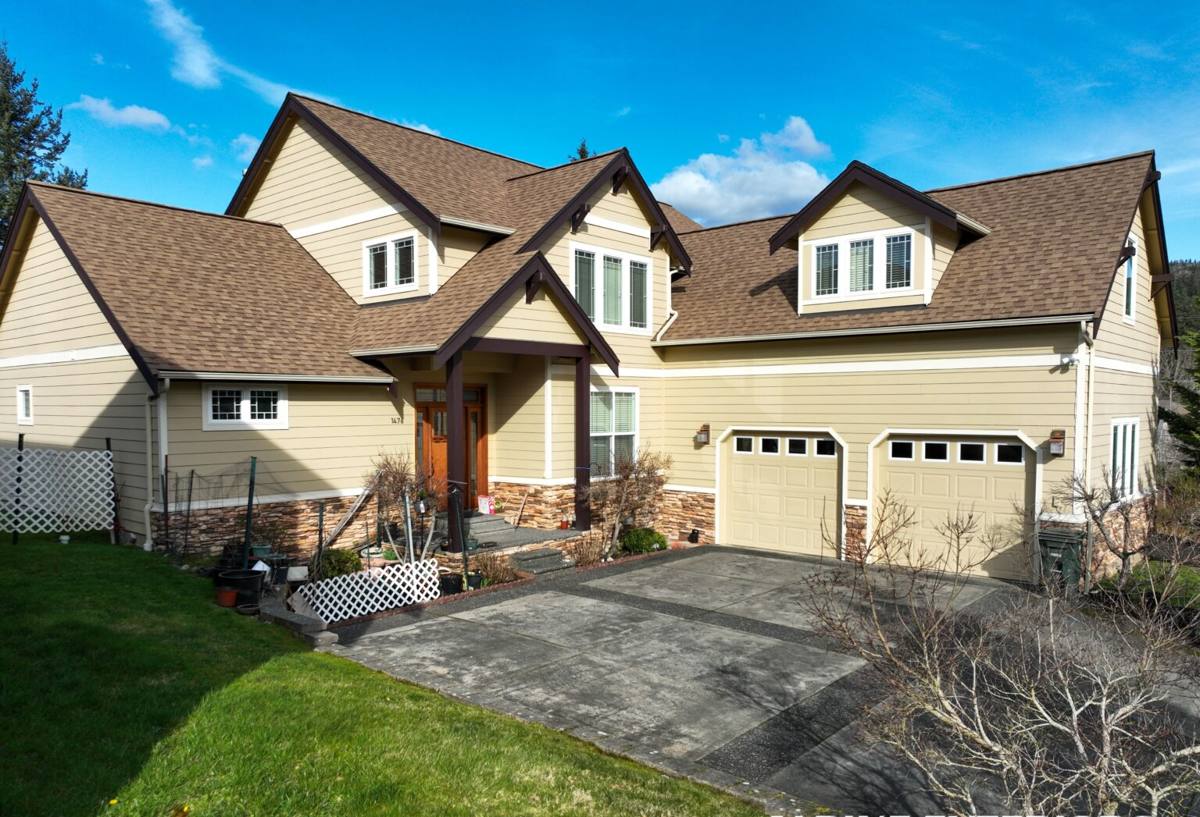
What Pinellas County Climate Does to Board & Batten Siding
Board and batten siding fails in predictable ways in this region, and almost all of them trace back to moisture and movement:
- Wind-driven rain gets forced sideways and upward during Gulf-effect storms, pushing water into vertical seams that would stay dry in a milder climate.
- Intense, near-constant UV breaks down paint film and unstabilized wood fibers faster here than almost anywhere else in the country, which shows up first as fading and chalking on the flat board faces.
- Salt air drifting inland from the Gulf and Tampa Bay accelerates corrosion on fasteners and metal flashing, which are exactly the components holding a board and batten system together.
- Hurricane-force wind events put uplift and lateral stress on a profile that already has more panel edges and fastening points than a standard lap installation.
None of this means board and batten is a bad choice for a Palm Harbor-area home. It means the material and the installation details have to be matched to what this specific climate actually does to a house, year after year, not just what looks good on install day.
Why We Only Install This Look in James Hardie Fiber Cement
Board and batten can be built out of several materials — real wood, engineered wood, vinyl, or fiber cement — and we've made a deliberate decision to install it in one: James Hardie fiber cement, specifically HardiePanel Vertical Siding paired with Hardie battens. We don't install wood, vinyl, LP SmartSide, Cemplank, or Allura board and batten systems, and we think homeowners deserve the honest reasoning, not just the policy.
Wood board and batten looks great new, but it's a maintenance commitment — repainting, caulk renewal, and rot inspection on a schedule that most homeowners underestimate, especially with this much UV and humidity working against the finish. Vinyl board and batten is low-maintenance but it's a thin material that can warp or distort in high heat and doesn't hold up structurally the way a rigid panel does in wind events. Other fiber cement brands exist, but James Hardie engineers its HZ10 product line specifically for hot, humid climates prone to moisture exposure — that's the line we specify for Pinellas County installs — and backs it with a factory-applied ColorPlus finish and a strong transferable warranty. We standardized on one product because we can stand behind the installation details for that one product, every time.
What HardiePanel Vertical Siding Actually Is
HardiePanel comes in large-format fiber cement sheets that get installed vertically, then dressed with vertical battens over the seams to create the classic board and batten reveal. It's non-combustible, engineered to resist moisture intrusion and pest damage, and manufactured with a factory finish that's cured under controlled conditions — which matters enormously in a market where field-applied paint has to survive Florida sun from day one.
What a Correct Board & Batten Installation Involves
The visual result of board and batten is simple — flat panels, vertical strips. What's underneath, and how it's fastened and flashed, is where the job either lasts twenty-plus years or starts leaking behind the walls within a few storm seasons. A correct installation includes:
- Rainscreen or furring strip installation behind the panels, creating a drainage gap so any moisture that does get past the surface can drain and dry instead of sitting against the wall sheathing.
- Weather-resistive barrier installed and lapped correctly before a single panel goes up, with all penetrations sealed.
- Correct panel-to-panel and panel-to-batten spacing, following James Hardie's published fastening schedule — not a generic spacing pulled from a lap-siding job.
- Fastener selection and placement matched to Pinellas County's wind zone requirements, using corrosion-resistant fasteners appropriate for coastal-influenced air.
- Flashing at every horizontal transition — window and door heads, roof-to-wall intersections, and the base of the wall — since board and batten's vertical orientation channels water downward along the entire wall face toward these points.
- Sealant only where Hardie specifies it, not as a substitute for proper flashing. Over-reliance on caulk instead of correct flashing detail is one of the most common shortcuts we see on failed board and batten jobs in this region.
Skipping any one of these steps rarely shows up right away. It shows up two, three, or five years later as staining, soft spots at the base of the wall, or paint failure that looks like a finish problem but is actually a moisture problem underneath.
Our Process for Palm Harbor-Area Homes
1. Assessment and Moisture Check
We start by inspecting the existing wall assembly, not just the visible siding. On older homes near Largo and the Palm Harbor area, that means checking for prior water intrusion, sheathing condition, and whether the current wrap and flashing are salvageable or need to be replaced as part of the job.
2. Tear-Off and Substrate Repair
Any compromised sheathing or framing gets addressed before new siding goes up. Installing new board and batten over a wet or damaged substrate just locks the problem behind a fresh-looking wall.
3. Installation to James Hardie Specification
Panels, battens, flashing, and fasteners go in following Hardie's written fastening and clearance requirements for this climate zone — including correct ground clearance and roof-line clearance, which matter more with vertical panels than horizontal lap.
4. Final Inspection
We walk the finished job checking seams, fastener lines, and flashing details before calling it complete — the same items that, if wrong, would only show themselves after the first hard rain.
Comparing Board & Batten Materials
| Material | Typical Lifespan Here | Maintenance Burden | Coastal Climate Behavior |
|---|---|---|---|
| Real wood | 10-15 years before major repaint/repair cycles | High — repainting, caulk renewal, rot checks | Prone to swelling, cupping, and rot without diligent upkeep |
| Vinyl | 15-20 years, often fading sooner | Low, but limited repair options | Can warp in high heat; less rigid in high wind |
| Engineered wood (LP-style) | Variable, warranty-dependent | Moderate — edge sealing is critical | Sensitive to moisture at cut edges and joints if not detailed exactly to spec |
| James Hardie fiber cement | 30+ years with correct install | Low — factory finish, periodic caulk/paint touch-up only | Engineered HZ10 line built for hot, humid, storm-prone climates |
Why a Crew That Already Works This Area Matters
Board and batten is not a forgiving profile for a crew that's installing it for the first time, or installing it correctly for lap siding but applying the same habits to vertical panels. A crew that already works in and around Largo and the greater Palm Harbor area has already dealt with Pinellas County's permitting requirements, the wind-load expectations local building departments enforce, and the specific ways older Florida-built homes were framed and wrapped decades ago. That local repetition is what keeps small details — the ones that don't show up until a storm tests them — from getting skipped.
It also matters for something less technical: matching the look. Board and batten reads differently depending on batten spacing, reveal width, and color choice, and a crew that's installed it on homes with a similar architectural style nearby can talk through those choices with actual reference points instead of guesswork.
What to Ask Before You Hire
- Will you install a rainscreen or furring strip system behind the panels, or fasten directly to the wrap?
- What fastening schedule and clearance specs will you follow, and are they James Hardie's published specs?
- How will you flash window heads, roof-to-wall intersections, and the base of the wall?
- What corrosion-resistant fastener type will you use given the salt air in this area?
- Is the crew installing James Hardie panels certified or specifically trained on this product line?
- What does the warranty cover, and is it transferable if you sell the home?
Maintenance and What to Expect Long-Term
A correctly installed James Hardie board and batten system asks for very little — periodic rinsing to clear salt residue and pollen, an eye on caulk joints every year or two, and prompt attention if you ever see a stain line at a horizontal transition. Because the color is baked into the ColorPlus finish at the factory rather than field-applied, you're not on a repainting clock the way you would be with a wood system in this climate. That's the trade-off we think is worth making on every board and batten job we take on near Largo and Palm Harbor: less ongoing work for the homeowner, and a system that's actually engineered for what this coastal climate does to a house.
If you're weighing board and batten for a home in the Palm Harbor area, we'll walk your specific wall conditions, talk through reveal and color options in James Hardie's line, and give you a straight answer on what the job involves — no pressure, no obligation. The form below gets you a free estimate from a crew that already works this part of Pinellas County.