 Largo Siding
 Belleair's Coastal Exposure Puts Extra Wear on Siding
Belleair sits right up against the water in Pinellas County, a short stretch from Largo, and that location comes with a trade-off. The same waterfront setting that makes it a desirable place to live also means homes here take a harder hit from the elements than houses further inland. Hurricane-force winds during storm season, wind-driven rain that gets pushed sideways into wall assemblies, salt-laden air rolling off the water, and some of the most intense year-round UV exposure in the continental United States all work on exterior siding at the same time. Individually, any one of those would be manageable. Together, they shorten the working life of poor-quality siding and accelerate small problems into structural ones.
That's the backdrop for every siding repair call we take in Belleair. A cracked panel or a soft spot near a window isn't just cosmetic — it's usually the first visible sign that moisture, wind, or UV breakdown has already been working on the wall for a while.
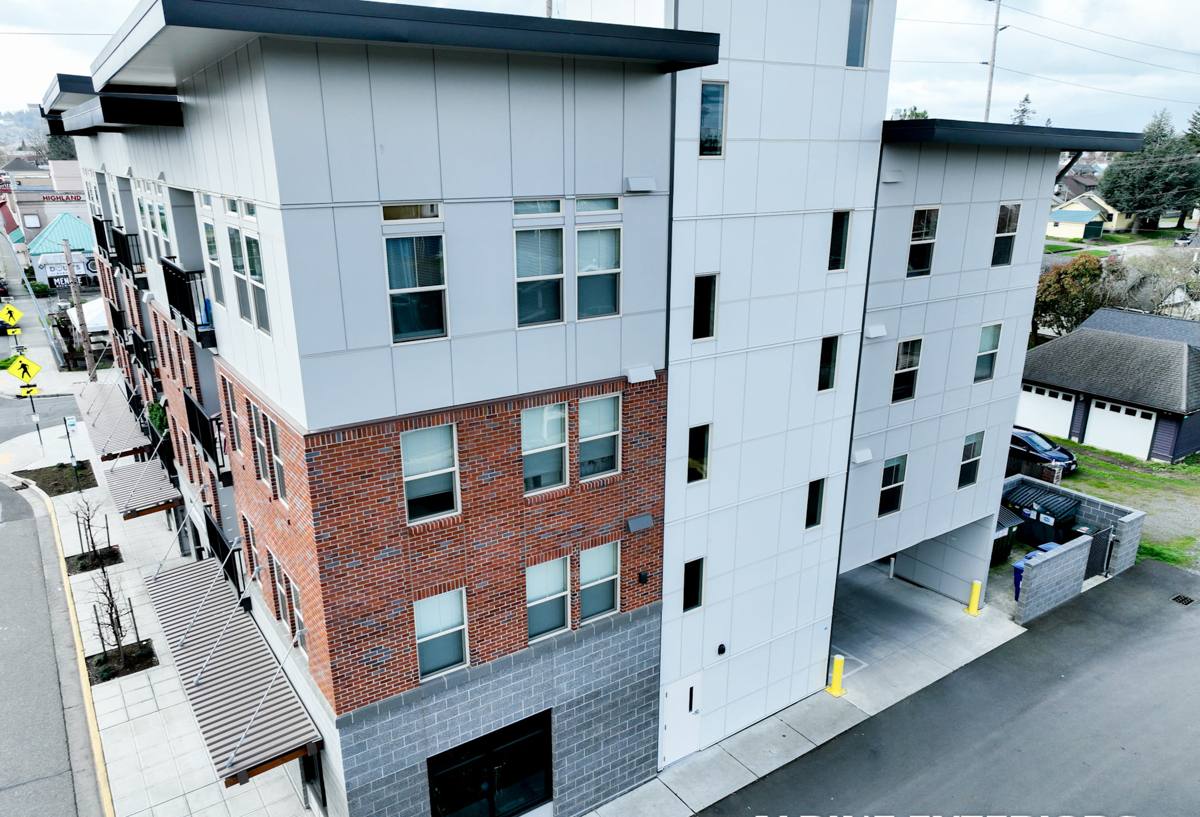
Signs Your Belleair Home Needs Siding Repair
Most siding damage doesn't announce itself with a dramatic failure. It shows up as small details that are easy to write off until they aren't. Walk your exterior after any named storm, or at least twice a year, and look for:
- Cracked, split, or chipped siding panels, especially near corners and window trim
- Panels that have visibly bowed, warped, or pulled away from the wall
- Soft or spongy sections when pressed (a sign of moisture behind the siding)
- Peeling, bubbling, or chalky paint film on any painted (non-factory-finished) siding
- Visible fastener heads, popped nails, or panels that rattle in wind
- Staining or streaking at panel seams, which often points to water intrusion
- Gaps at trim, corner boards, or utility penetrations where caulking has failed
- Discoloration or fading that's uneven across the wall, suggesting inconsistent product or a prior patch job
Any one of these on its own might be a simple fix. Several at once, or damage concentrated on one exposure of the house, usually means it's worth having someone look at the whole wall assembly, not just the visible symptom.
What's Actually Damaging Siding in This Area
Wind and Wind-Driven Rain
Pinellas County sits in a wind zone that Florida's building code takes seriously, and Belleair's proximity to open water means gusts arrive with less to slow them down first. High wind doesn't just risk tearing panels loose — it drives rain horizontally into laps, seams, and fastener points that were never designed to face water head-on. Over time, that repeated soaking is what causes rot, delamination, and the soft spots homeowners feel when they press on a wall.
UV Breakdown
Florida sun is relentless, and west- and south-facing walls in Belleair take the brunt of it nearly every day of the year. UV exposure is what causes paint film to chalk and fade, and it's what breaks down lower-grade siding materials from the outside in, making them brittle and more prone to cracking under wind load or impact.
Salt Air
Being close to the water means airborne salt settles on every exterior surface, including siding, trim, and fasteners. Salt accelerates corrosion in metal fasteners and trim components, and it can degrade certain coatings faster than they'd wear in a drier, inland environment. This is one of the reasons fastener choice and coating quality matter as much as the siding material itself.
Repair or Replace? What We Actually Look At
Not every damaged section needs full replacement, but not every repair is worth doing either. We look at the extent of the damage, what's causing it, and whether the underlying wall assembly (house wrap, flashing, sheathing) is still sound before we recommend a path.
| Factor | Points Toward Repair | Points Toward Replacement |
|---|---|---|
| Extent of damage | Isolated panels or a single wall section | Damage spread across multiple elevations |
| Underlying moisture | Sheathing and wrap test dry, no rot found | Soft sheathing, rot, or mold found behind panels |
| Age of existing siding | Siding is mid-life and otherwise sound | Siding is already near or past its expected service life |
| Color and product match | Matching panels or touch-up available | Discontinued color/profile, patch would visibly mismatch |
| Storm damage pattern | Localized impact or wind lift | Widespread wind, water, or debris damage after a major storm |
Homeowners are sometimes surprised that we'll recommend a targeted repair instead of a full re-side when that's genuinely the better call. We'd rather do the honest job than the bigger one.
What a Correct Siding Repair Actually Involves
A repair that's done right addresses the cause, not just the symptom. That means:
- Diagnosing the source — is this wind damage, a flashing failure, a caulking gap, or long-term moisture intrusion? Patching over an active leak just delays the next repair call.
- Checking behind the siding — pulling damaged panels to inspect the house wrap and sheathing underneath before closing anything back up.
- Matching material and profile — using the correct thickness, exposure, and texture so the repaired section doesn't stand out or create a water path where old and new meet.
- Correct fastening — using fasteners rated for coastal exposure, placed and set to manufacturer spec, not just "close enough."
- Proper flashing and sealant detailing — every seam, corner, and penetration re-sealed the way it should have been the first time.
- Color continuity — matching factory finish where possible so the repair doesn't become the one panel that fades differently five years from now.
Skip any of those steps and you get a repair that looks fine at handoff and fails again within a season or two — often in the exact same spot.
Our Process When We Work in Belleair
We keep the process straightforward because homeowners don't need a siding repair to be complicated:
- Inspection first. We look at the damaged area and the surrounding wall, not just the one panel someone pointed at.
- Honest scope. We tell you plainly whether this is a repair, a section replacement, or something bigger — and why.
- Clear estimate. No pressure, no inflated scope, no surprise change orders once work starts.
- Work matched to code and climate. Fastening, flashing, and sealant choices account for Pinellas County's wind and moisture exposure, not a generic national spec.
- Clean execution. Repairs are finished to blend with the existing wall as closely as the product and its age allow.
Why We Only Patch and Repair With James Hardie
We install exclusively James Hardie fiber cement siding, and that standard carries into our repair work too. Hardie's ColorPlus factory finish is engineered to hold color and resist the fade cycle that Florida UV causes in field-applied paint, which matters enormously when you're trying to match a repaired section to panels that have already weathered for years. The HZ5 product line is engineered for the higher humidity and moisture-cycling conditions found in this climate zone, and fiber cement itself doesn't rot, delaminate, or attract termites the way some alternative materials can under sustained coastal moisture exposure.
That consistency is also why we don't mix products on a repair. Patching a Hardie wall with vinyl, LP SmartSide, or another fiber cement brand might solve the immediate problem, but it introduces a material with different expansion behavior, a different moisture profile, and a finish that will age differently than the surrounding panels. It also complicates the manufacturer's warranty coverage on the rest of the wall. A repair should extend the life and appearance of the existing system, not create a second, mismatched one bolted onto it.
Why Hiring a Crew That Already Works Belleair Matters
Siding repair isn't a one-size-fits-all trade. A crew that mostly works inland jobs may not think twice about fastener corrosion resistance, or may not recognize the early signs of wind-driven water intrusion that show up differently on a coastal wall than on a sheltered one further from the water. Working regularly in Belleair and the surrounding Largo area means we're used to diagnosing damage patterns tied to this specific combination of wind exposure, salt air, and sun — and we know what a repair actually needs to hold up here, not just somewhere in Florida generally.
It also means faster turnaround. Being local to the area means we're not routing a crew across the county for a single repair call, and we're familiar with the permitting and inspection expectations that apply in Pinellas County.
Get a Straight Answer on Your Belleair Siding Repair
If you've noticed cracked panels, soft spots, or storm damage on your Belleair home, it's worth getting an honest look before the damage spreads or the underlying wall takes on more moisture. We'll tell you plainly whether it's a simple repair or something that needs a closer look — no pressure, no upsell. Request a free estimate below and we'll walk the exterior with you.