 Largo Siding
 New Roof Installation Built for St. Petersburg's Climate
St. Petersburg homeowners deal with a rare combination of roofing stressors: hurricane-force wind events, some of the most intense year-round UV exposure in the continental United States, wind-driven rain that finds every weak seam, and salt-laden air rolling in off Tampa Bay and the Gulf. A roof that would hold up fine in a drier, cooler climate can fail early here if it wasn't designed and installed with these specific conditions in mind. New roof installation isn't just about covering the house — it's about choosing materials and installation methods that are matched to what Pinellas County actually throws at a roof, year after year.
We install new roofs throughout the St. Petersburg area as part of our regular service territory out of Largo. That local presence matters more than it might seem — it shapes what we recommend, how we sequence a job around Gulf Coast weather, and how quickly we can respond if something needs attention after installation.
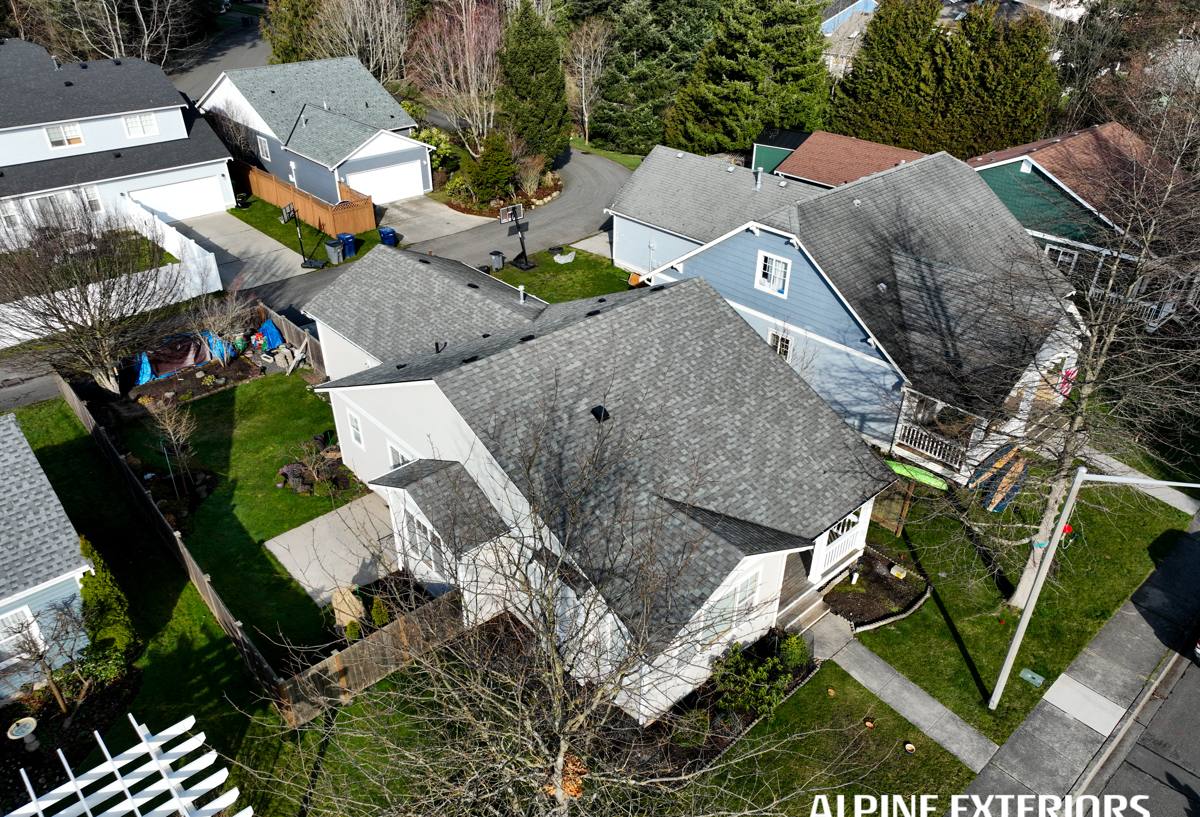
Why St. Petersburg Homes Need a Different Approach
Wind Exposure and Uplift
St. Petersburg sits on a peninsula, which means wind isn't a once-a-year concern — it's a constant design factor. Roofs here need to be engineered for uplift resistance, not just water shedding. That starts below the shingles or tiles, with fastening patterns, underlayment attachment, and edge details that are often the actual point of failure in a wind event, long before the visible roofing material gives out.
UV Degradation
Florida's UV index is high nearly every month of the year. Asphalt shingles, sealants, and underlayments all break down faster under constant UV load than they would in a more moderate climate. This is one of the biggest reasons a roof rated for 25-30 years in a manufacturer's general specs may not reach that lifespan here without the right underlayment and ventilation choices.
Wind-Driven Rain
Standard rain falls mostly straight down. Wind-driven rain during storms and tropical systems gets pushed sideways and upward under laps, around penetrations, and into any gap that wouldn't normally see water. This is why underlayment selection and flashing detail work carry more weight on a St. Petersburg roof than they would somewhere with calmer weather patterns.
Salt Air Corrosion
Being close to the water means airborne salt settles on every exterior surface, including the roof. Metal components — fasteners, flashing, vents, drip edge — are the parts most affected. Using corrosion-resistant hardware and coated metals isn't an upgrade here, it's a baseline requirement for a roof that's going to last.
What a Correct New Roof Installation Actually Involves
A new roof is more than shingles or tile going down over what was there before. Done right, it's a system, and every layer of that system has a job to do in this climate.
- Tear-off and deck inspection: Full removal of old roofing material so the deck can be inspected directly — soft spots, rot, and old fastener damage all need to be found and fixed before anything new goes down.
- Deck repair: Any damaged or delaminated decking gets replaced. Installing new roofing over a compromised deck undermines everything above it, no matter how good the shingles or underlayment are.
- Underlayment: A high-quality synthetic or self-adhering underlayment is installed as the roof's real water barrier — the visible roofing material is the first line of defense, but the underlayment is what protects the structure if that first line is breached during wind-driven rain.
- Flashing at every penetration: Chimneys, vents, skylights, and wall intersections all get properly formed and sealed flashing, not just caulk. Caulk is a maintenance item; flashing is a permanent water management detail.
- Fastening for wind resistance: Nailing or fastening patterns follow manufacturer specs for high-wind zones, which in most cases means more fasteners per shingle or tile than a standard installation, placed correctly.
- Drip edge and starter course: Properly installed drip edge and starter shingles at the eaves and rakes prevent wind from getting a first grip on the roof edge, which is where uplift failures usually begin.
- Ventilation: Balanced intake and exhaust ventilation keeps attic temperatures and moisture in check, which protects the deck from below and helps the roofing material itself last longer under constant sun exposure.
Roofing Material Options for St. Petersburg Homes
There's no single "best" roofing material for every home — the right choice depends on the home's structure, the homeowner's budget, and how much wind and UV performance matters to them. Here's how the common options compare for this climate.
| Material | Wind Performance | UV/Heat Durability | Salt Air Considerations | Typical Lifespan Here |
|---|---|---|---|---|
| Architectural asphalt shingles | Good with proper fastening and rated products | Moderate — quality of granules and underlayment matters most | Fastener and flashing metal should be corrosion-resistant | 15-25 years |
| Concrete or clay tile | Very good when fastened per code | Excellent — minimal UV degradation | Tile itself is largely unaffected; underlayment beneath it is the real durability factor | 30-50 years (underlayment often needs earlier replacement) |
| Standing seam metal | Excellent | Excellent | Requires coated or corrosion-resistant metal near the coast | 30-50 years |
| Flat/low-slope membrane (for applicable sections) | Good when properly adhered and terminated | Good with reflective or UV-stable membranes | Metal edge and drain components need corrosion resistance | 15-25 years |
Whatever material a homeowner chooses, the installation details — fastening, flashing, underlayment, and edge treatment — matter as much or more than the material itself when it comes to how the roof actually performs in a coastal, high-wind, high-UV environment like St. Petersburg.
Our Installation Process
1. Inspection and Estimate
We start with a full roof and attic inspection to understand the current condition, note any deck damage, and identify ventilation or structural issues that should be addressed as part of the project. This is also when we walk through material options and give an honest estimate — no pressure, no inflated scare tactics.
2. Material Selection and Planning
Once a material is chosen, we plan the project around weather. In St. Petersburg, that means paying close attention to forecasts and avoiding leaving a roof deck exposed overnight or during a system moving through the Gulf. Materials are ordered and staged so the tear-off and dry-in happen efficiently.
3. Tear-Off and Deck Work
Old roofing comes off, the deck is inspected board by board, and any necessary repairs are made before moving forward. We don't cover up deck problems — it costs more to fix them properly now than to deal with a failure later.
4. Dry-In
Underlayment goes down the same day as tear-off whenever possible, so the home isn't left exposed to sudden weather. This is a non-negotiable step in a climate where an afternoon storm can show up with little warning.
5. Installation of Roofing Material, Flashing, and Ventilation
The roofing material, all flashing details, drip edge, and ventilation components are installed according to manufacturer specifications and local wind-rated fastening requirements.
6. Final Inspection and Cleanup
We walk the completed roof, check every penetration and edge detail, and do a full site cleanup, including a magnetic sweep for stray fasteners.
Permits, Codes, and Wind Ratings
Pinellas County and the City of St. Petersburg follow Florida Building Code requirements, which include specific wind-uplift and fastening standards for coastal areas. A proper new roof installation is permitted and inspected according to these codes — that's not extra red tape, it's the mechanism that ensures fastening patterns, underlayment attachment, and edge details actually meet the standard the home needs to survive a wind event. We handle the permitting process as part of the job so homeowners don't have to navigate it themselves.
What to Check Before Hiring a Roofing Contractor
Not every contractor who can install a roof understands what it takes to install one that holds up specifically in a coastal, high-wind Florida environment. Before hiring anyone for a new roof installation in St. Petersburg, it's worth checking:
- Current Florida roofing license and proof of liability and workers' comp insurance
- Familiarity with local permitting and Florida Building Code wind-uplift requirements
- A clear, written scope of work — materials, underlayment type, flashing approach, and warranty terms spelled out, not left vague
- Willingness to explain deck repair costs and process before they become a surprise mid-project
- References or a track record of work specifically in coastal Pinellas County conditions, not just general roofing experience
- A realistic project timeline that accounts for weather, rather than promises that ignore it
Why a Crew That Already Works St. Petersburg Matters
A roofing crew that regularly works in St. Petersburg and the surrounding Largo area already knows the local permitting process, has a working relationship with the inspectors who sign off on the job, and understands how to schedule around Gulf Coast weather patterns without leaving a home exposed. That local familiarity translates into fewer surprises, smoother inspections, and a roof that's built with this specific coastline in mind rather than a generic approach borrowed from a different climate. It also means faster response if a question or issue comes up after the job is done — we're not driving in from out of the area.
Maintaining a New Roof in a Coastal Climate
Even a well-installed roof benefits from basic upkeep in this environment. A short annual checklist goes a long way toward protecting the investment:
- Clear debris and organic buildup from valleys and gutters, especially after storm season
- Have flashing and sealant points visually checked annually, since these are the first spots to show wear
- Watch for granule loss in gutters or downspouts on shingle roofs, which can signal accelerating UV wear
- Keep attic ventilation paths clear of insulation blockage so heat and moisture can escape properly
- Schedule a post-storm inspection after any significant wind event, even if no damage is visible from the ground
If you're weighing a new roof for your St. Petersburg home, we're happy to take a look and talk through honest options for your specific house and budget. Request a free, no-pressure estimate using the form below.