 Largo Siding
 Metal Roofing for Safety Harbor Homes
Safety Harbor sits along Old Tampa Bay, which means most homes here deal with a mix of direct sun exposure, salt-laden air, and the kind of wind-driven rain that finds every weak seam in a roof system. For homeowners weighing their options at replacement time, metal roofing has become one of the most requested upgrades in this part of Pinellas County — not because it's trendy, but because it holds up to conditions that wear out asphalt shingles faster than most people expect. This page covers what a metal roof actually needs to perform well in Safety Harbor, what a correct installation looks like, and how our process works from first call to final walkthrough.
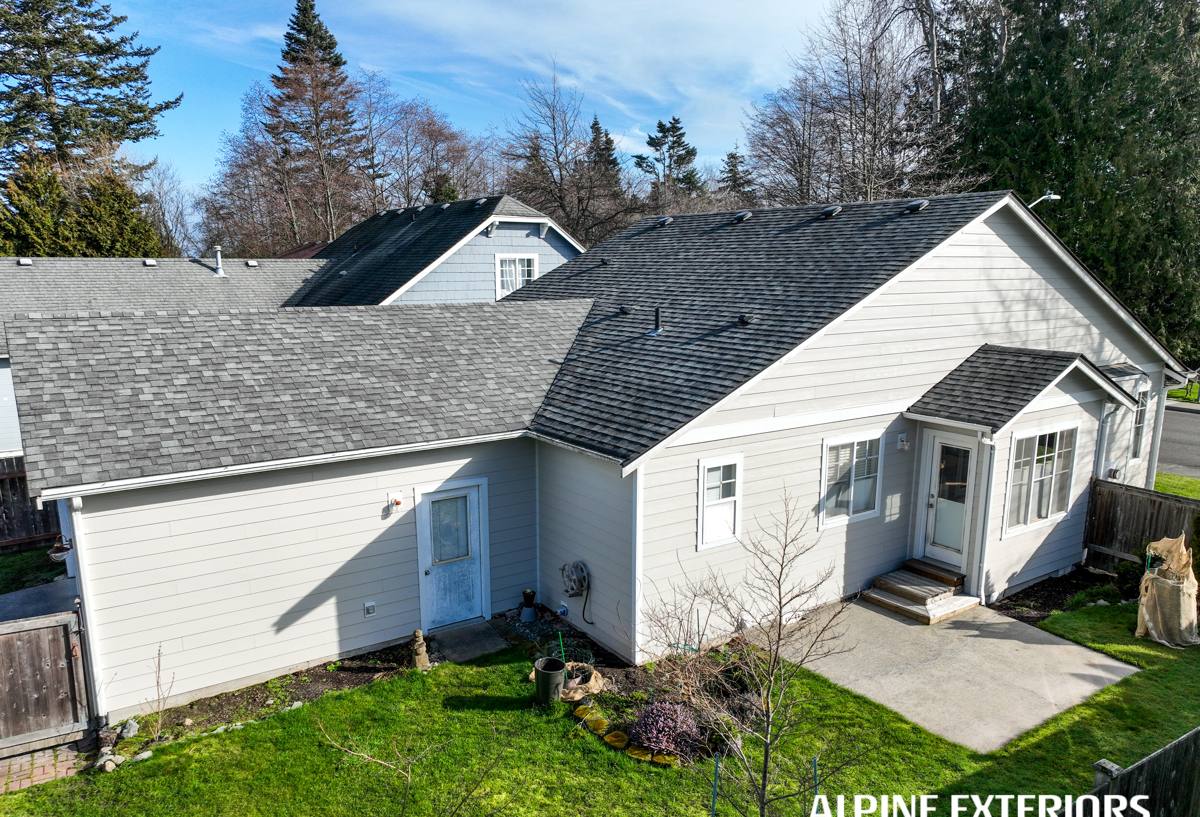
What Safety Harbor's Climate Does to a Roof
Every roofing material installed in this area is working against the same set of stressors, year after year:
- Hurricane-force wind: Gulf-fed storm systems can push sustained winds and gusts strong enough to lift poorly fastened panels or shingles, especially at eaves, ridges, and rake edges.
- Intense, near year-round UV: Florida sun breaks down roofing surfaces from the top down, drying out asphalt granules and degrading unprotected coatings over time.
- Wind-driven rain: It's not straight-down rain that causes the worst leaks — it's rain pushed sideways under laps, flashing, and fastener heads during a squall.
- Salt air: Proximity to Old Tampa Bay means a steady low-level exposure to salt in the air, which accelerates corrosion on any metal component that isn't rated or coated for coastal use.
None of these factors are unique to metal roofing — they affect every roof type in the area. But they do change what "correct" installation means, and they explain why some metal roofs installed here last decades while others develop problems within a few years.
Why Metal Holds Up Well Here — With Honest Trade-offs
Metal roofing tends to perform well in this climate for a few concrete reasons: panels are fastened or seamed in ways that resist wind uplift better than individual shingles, the surface reflects UV rather than absorbing it the way dark asphalt does, and a properly coated panel resists moisture and salt exposure without the granule loss that shortens shingle life. It's also a system, not a collection of small overlapping pieces, which reduces the number of failure points during wind-driven rain.
That said, metal isn't a "set it and forget it" upgrade. The trade-offs are worth knowing upfront:
- Correct fastener spacing and torque matter more than with shingles — over-driven or under-driven screws are a leading cause of early leaks.
- Dissimilar-metal contact (the wrong flashing or fastener touching the wrong panel alloy) can cause galvanic corrosion, which is a bigger risk in salt air than inland.
- Upfront cost is higher than architectural shingles, though lifespan and reduced maintenance frequently offset that over time.
- Not every metal roofing product or installation method is built for coastal wind and salt exposure — this is where product choice and installer experience actually matter.
Metal Roofing Options for This Area
We install a few different metal roofing systems, and the right one depends on the home's roof pitch, budget, and how the homeowner wants it to look. Here's how the common options compare for a Safety Harbor property:
| System | Wind & Water Performance | Best Fit | Maintenance |
|---|---|---|---|
| Standing seam (concealed fastener) | Strongest uplift resistance; no exposed fastener heads to fail over time | Homes wanting maximum durability and a clean, modern look | Lowest — no fastener re-tightening needed |
| Exposed-fastener panel | Good performance when fasteners and gaskets are correctly installed and maintained | Budget-conscious projects, outbuildings, some roof pitches | Moderate — fasteners can loosen or gaskets degrade over years |
| Metal shingle/tile profile | Strong wind resistance with a traditional shingle or tile appearance | Homeowners who want metal's durability without a "barn roof" look | Low to moderate depending on profile |
We'll walk through which system fits your roof during the estimate rather than defaulting to one option for every home.
Coatings and Finish
The paint or coating system on a metal panel is what actually fights UV fade and salt-air corrosion over the life of the roof. We use finishes suited to coastal exposure and explain the warranty structure behind each — including what the manufacturer covers versus what depends on proper installation, since a warranty on the panel doesn't cover a leak caused by incorrect flashing work.
What a Correct Metal Roof Installation Actually Involves
A metal roof is only as good as the details underneath the visible panels. On every job, that includes:
Deck Inspection and Prep
We check the roof deck for soft spots, prior water damage, and rot before anything goes down. Installing new roofing over a compromised deck just hides a problem that will resurface as a leak.
Underlayment
A high-temperature-rated synthetic or self-adhered underlayment goes down first, with extra attention at valleys, eaves, and any roof-to-wall transitions — the spots most likely to take on wind-driven rain.
Fastening and Seaming
For standing seam systems, panels are mechanically seamed rather than face-fastened. For exposed-fastener systems, screw spacing, torque, and gasket seating are done to manufacturer spec, not "close enough" — this is the single biggest factor in whether a metal roof holds up during a windstorm.
Flashing and Penetrations
Every pipe boot, vent, chimney, and wall transition is a potential leak point. We flash these with materials compatible with the panel metal to avoid galvanic corrosion, which is more of a concern this close to the bay than it would be further inland.
Ventilation
Proper ridge and soffit ventilation keeps attic heat and moisture from building up under the panels, which protects both the roof structure and the underside of the metal itself.
Our Process
Here's what to expect when you call us for a metal roofing project in Safety Harbor:
- On-site inspection: We assess your current roof, deck condition, pitch, and any problem areas before recommending a system.
- Written estimate: You get a clear scope of work and pricing — no vague allowances or surprise add-ons.
- Material selection: We help you choose a panel profile, gauge, and finish that fits your budget and how long you want the roof to last.
- Tear-off and deck repair: Old roofing comes off, and any deck damage is repaired before new material goes down.
- Installation: Underlayment, panels, flashing, and ventilation are installed to manufacturer and code specifications.
- Final walkthrough: We review the finished roof with you and go over warranty documentation and any maintenance notes.
Coastal-Specific Considerations We Watch For
Working close to Old Tampa Bay changes a few decisions on every metal roofing project:
- Fastener and flashing metal compatibility to prevent galvanic corrosion from salt-air exposure.
- Wind uplift rating appropriate for hurricane-prone coastal Pinellas County, not just a generic Florida rating.
- Sealant and gasket selection rated for UV and salt exposure, since generic products degrade faster here than inland.
- Panel gauge heavy enough to resist wind-borne debris without adding unnecessary cost.
Maintenance: What Actually Needs Attention
Metal roofs need less maintenance than shingles, but "less" isn't "none." We recommend:
- A visual check after any major storm for lifted panels, loose fasteners, or displaced flashing.
- Keeping gutters and valleys clear of debris so water doesn't pool against panel edges.
- An occasional rinse to clear salt residue and organic buildup, especially on roofs closer to the water.
- A periodic check of exposed fasteners (if applicable) for backing out or gasket wear.
Cost Factors to Expect
Exact pricing depends on your roof's size, pitch, and condition, but these are the main variables that move the number up or down:
| Factor | Effect on Cost |
|---|---|
| Panel system (exposed-fastener vs. standing seam) | Standing seam costs more upfront but needs less long-term maintenance |
| Roof pitch and complexity | Steeper or more cut-up roofs take more labor and material |
| Deck condition | Rot or soft decking found during tear-off adds repair cost |
| Panel gauge and coating | Heavier gauge and higher-grade coatings cost more but last longer in coastal air |
| Tear-off scope | Removing multiple layers of old roofing adds labor and disposal cost |
Why It Matters Who Installs It
Metal roofing is unforgiving of shortcuts in a way asphalt shingles aren't — a poorly seamed panel or an over-driven fastener won't show up as a problem on a calm day, but it will during the next major windstorm off the bay. A crew that regularly works Safety Harbor and the surrounding Pinellas County coastline already knows which details matter for wind uplift and salt-air exposure here, rather than applying generic installation practices better suited to a drier, inland climate.
If you're considering a metal roof for your Safety Harbor home, we're happy to take a look and walk you through your options. Use the form below to request a free, no-pressure estimate — there's no obligation, and you'll get straight answers about what your roof actually needs.