 Largo Siding
 Roof Repair in Redington Shores: Built for Barrier-Island Conditions
Homes near Redington Shores sit close to the Gulf, which means the roof over your head is doing a harder job than a roof ten miles inland in Largo proper. Salt-laden air, near-constant UV exposure, and the wind patterns that come with open water all wear on roofing materials faster than most homeowners expect. Roof repair out here isn't just "patch the leak and move on" — it has to account for what the coastal environment will do to that repair over the next few years, not just the next few months.
We work roof repair calls in this area regularly, alongside our broader service territory across Largo and Pinellas County. That means we're familiar with how the local building stock, salt exposure, and storm history combine to create a specific set of recurring problems — and we've built our repair process around addressing the actual cause, not just the visible symptom.
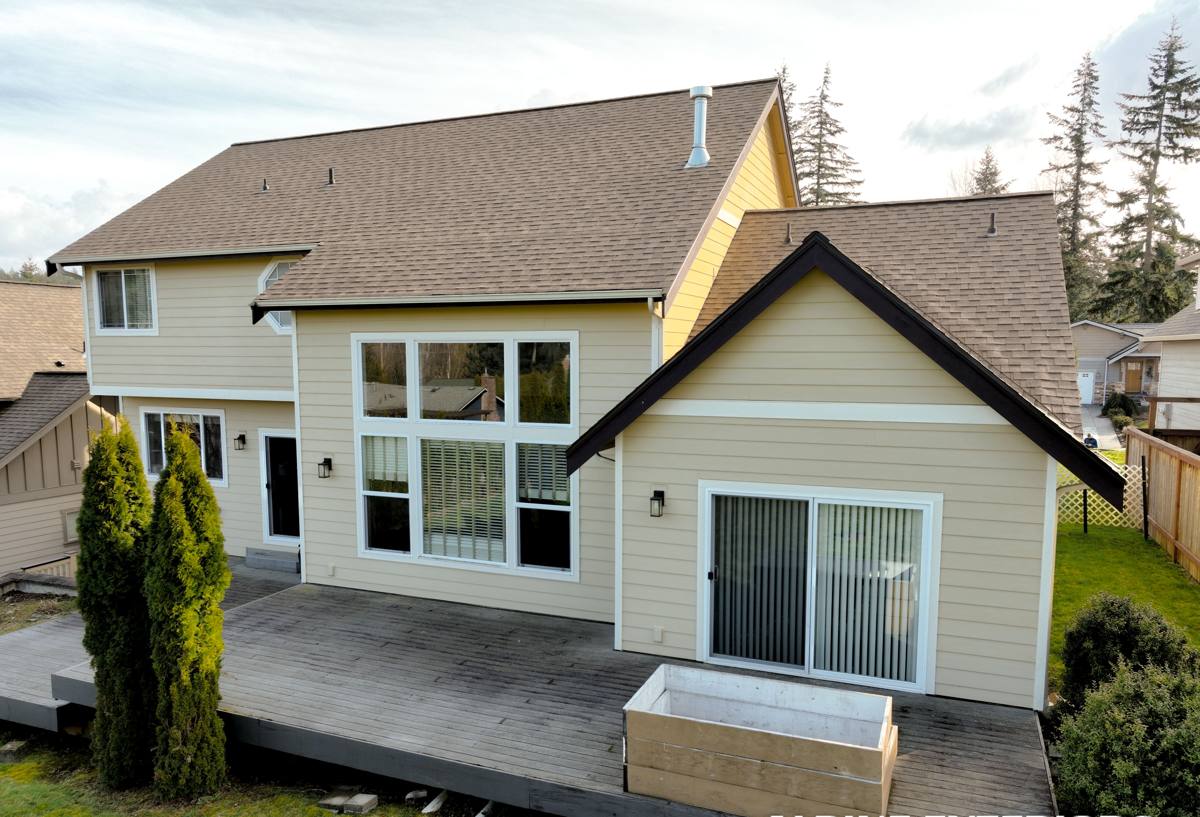
What the Coastal Climate Does to a Roof Near Redington Shores
Salt Air and Metal Corrosion
Airborne salt from the Gulf settles on every exposed surface, including your roof. It accelerates corrosion on exposed fasteners, flashing, drip edge, vent stacks, and any metal components. A nail or screw that would last decades inland can rust and lose holding strength much sooner this close to the water. When we find leaks on homes in this area, corroded fasteners and deteriorated flashing are frequent culprits — often well before the shingles or roofing membrane themselves have failed.
UV Exposure and Heat Cycling
Florida sun is intense everywhere in Pinellas County, but the reflective glare off open water can add to the heat load a roof surface absorbs. UV breaks down the oils and asphalt binders in shingles, causing granule loss, brittleness, and cracking over time. Roofs here also go through repeated expansion-and-contraction cycles between hot afternoons and cooler nights, which stresses seams, sealants, and flashing joints — exactly the spots where repairs tend to start.
Wind-Driven Rain and Storm Gusts
Being close to the water means more direct exposure to wind during storms and squalls, including hurricane-force gusts during the season. Wind doesn't just risk lifting shingles or tiles — it drives rain sideways and upward under roof edges, ridge caps, and flashing that would stay dry in a straight-down rain. A lot of the "mystery leaks" we get called out for in this area trace back to wind-driven water finding a small gap that never mattered until a storm pushed rain into it at an angle.
Common Roof Repair Issues We See in This Area
Every roof and every home is different, but certain problems show up again and again on properties this close to the Gulf. If you're noticing any of the following, it's worth having a roof looked at before the next storm rather than after:
- Water stains on ceilings or interior walls, especially near exterior walls or after wind-driven rain
- Missing, cracked, curling, or lifted shingles, particularly on the side of the roof that faces prevailing wind
- Rusted or visibly corroded flashing around chimneys, vent pipes, or roof-to-wall transitions
- Granules collecting in gutters or at downspout outlets, a sign of asphalt shingle wear
- Soft spots or sagging in the roof deck when walked on or viewed from the attic
- Daylight visible through the roof deck from inside the attic
- Ceiling discoloration that appears or worsens after a storm but wasn't there before
- Loose or deteriorated sealant around penetrations, skylights, or roof edges
None of these automatically mean a full roof replacement is needed. Many are legitimate, targeted repairs when caught early — which is exactly why prompt attention matters this close to the coast, where small issues tend to progress faster than they would inland.
What a Correct Repair Actually Involves
Not all roof repairs are equal, and the difference often isn't visible from the ground. A rushed patch job might stop a leak for a season, but if it doesn't address the underlying cause, the same spot — or a spot right next to it — tends to fail again, often during the next significant storm. Here's how we think about the difference between a surface patch and a repair that actually holds up:
| Surface Patch Approach | Correct Repair Approach |
|---|---|
| Seals the visible leak point only | Traces water path back to the actual entry point, which is often not directly above the interior stain |
| Reuses existing fasteners and flashing if they look intact | Checks fastener and flashing condition for salt-air corrosion, replacing as needed |
| Matches shingles or materials loosely by eye | Matches material type, profile, and where possible, color/age to blend with the surrounding roof |
| Applies sealant over gaps as a quick fix | Uses sealant as a secondary defense, not the primary waterproofing method |
| No inspection of surrounding roof area | Checks adjacent roof sections that took the same wind or storm exposure |
The second column costs a bit more time on-site, but it's the difference between a repair that lasts and one you'll be paying for again in a year or two — which matters even more here given how fast the coastal environment can compound a small weak point.
Our Roof Repair Process
- Assessment. We inspect the roof surface, flashing, penetrations, and — when accessible — the attic or roof deck from underneath, to find the actual source of the problem rather than just the visible symptom.
- Honest explanation. We walk you through what we found, what's causing it, and what your realistic options are, including if a repair isn't the right call and a larger conversation is warranted.
- Written estimate. You get a clear scope of work and price before anything happens — no surprise add-ons once we're on the roof.
- Repair execution. We address the root cause: replacing corroded fasteners and flashing, resealing properly, matching materials, and checking that the fix will hold under wind-driven rain, not just still-air conditions.
- Final check. We confirm the repair area and adjacent sections are secure and weathertight before we consider the job done.
Repair or Replace? How We Help You Decide
Homeowners near the coast sometimes worry that any roof call will turn into a sales pitch for a full replacement. Our approach is the opposite — a repair should stay a repair whenever the roof's overall condition supports it. Here's a general sense of how we think through that decision:
| Factor | Leans Toward Repair | Leans Toward Replacement |
|---|---|---|
| Roof age | Well within expected service life for the material | At or beyond the typical lifespan for its material and coastal exposure |
| Damage extent | Isolated to one area or a specific storm event | Widespread wear, multiple failure points, or recurring leaks in different spots |
| Deck condition | Solid, no rot or soft spots found | Soft, rotted, or delaminated decking in multiple areas |
| Fastener/flashing condition | Largely sound with isolated corrosion | Widespread corrosion consistent with age and salt exposure |
| Insurance/storm claim | Damage is localized and clearly attributable | Storm caused broad damage affecting a large portion of the roof |
We'll never push a replacement a roof doesn't need, and we'll never patch something that genuinely needs more attention just to keep the job small. You get our honest read either way.
Cost Factors for Roof Repair in This Area
Every roof repair is priced based on the specific scope, but a few things reliably move the number up or down: how accessible the damaged area is, whether flashing or decking needs replacement alongside shingles or tiles, how closely the existing material needs to be matched, and whether corroded fasteners extend beyond the immediate repair zone. We'll always give you a firm, written number before work starts rather than a vague range that grows once we're on the roof.
Materials and Methods We Use for Coastal Durability
For repairs this close to the Gulf, we favor corrosion-resistant fasteners and flashing over standard-grade hardware, since standard fasteners tend to show salt-related wear noticeably sooner in this environment. We match shingle or tile profiles to the existing roof rather than using whatever is on the truck, because a mismatched patch is both a cosmetic issue and a potential water-intrusion point if the profiles don't seat correctly against each other. Sealants and underlayment details around flashing get extra attention, since wind-driven rain finds gaps that a straight-down rain never would. None of this is exotic — it's just being deliberate about material choices that hold up specifically to salt air, UV, and storm-force wind rather than defaulting to whatever works fine in a less exposed inland setting.
Why a Crew That Already Works This Area Matters
A roofing crew that regularly works Redington Shores and the surrounding Largo and Pinellas County coastline has already seen how this specific environment ages a roof — which fastener types hold up, which flashing details tend to fail first, and which repair shortcuts don't survive a real storm season. That familiarity shows up in faster, more accurate diagnosis: we're not guessing at what salt air and Gulf-facing wind exposure typically do to a roof, we're recognizing patterns we've dealt with on other homes nearby. It also means we understand realistic timelines and scheduling around storm season, since coastal areas often see a rush of repair calls after the same weather event.
Being local also means accountability. If something about a repair doesn't hold up the way it should, we're not a crew that came through once and disappeared — we're working in this area on an ongoing basis and stand behind what we install.
Get a Free, No-Pressure Roof Repair Estimate
If you're seeing signs of roof trouble at your Redington Shores-area home, or you just want an honest second opinion before the next storm season, we're happy to take a look. There's no cost and no pressure — just a clear assessment and a straightforward estimate using the form below.