 Largo Siding
 Palm Harbor Roofs Face a Tougher Job Than Most
Palm Harbor sits close enough to the Gulf that homes here deal with a combination of stresses that inland roofs never see. Hurricane-force winds test every nail and fastening pattern on the roof deck. Intense, near-daily UV exposure breaks down shingle asphalt and granule coatings faster than it would in a milder climate. Wind-driven rain finds its way into any gap in flashing or underlayment that a calmer climate would let slide. And salt air, carried in off the water, accelerates corrosion on metal fasteners, flashing, and vents. None of these forces are hypothetical for Pinellas County homeowners — they're the reason roofs here wear out faster than the manufacturer's brochure suggests, and why a roof replacement done for this specific climate looks different from one done fifty miles inland.
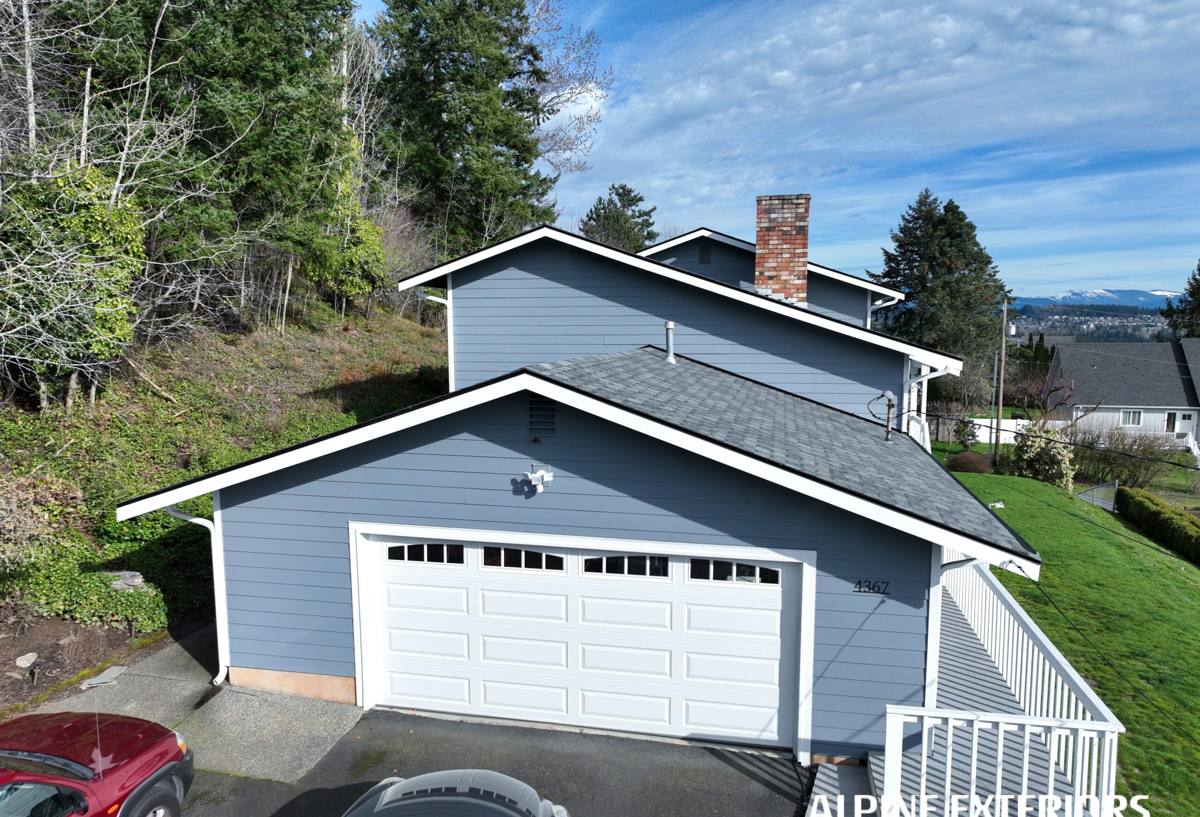
Signs a Palm Harbor Roof Needs Replacement, Not Just Repair
Not every roof problem calls for a full replacement, but there's a point where patching becomes a losing game — you're spending money to delay the inevitable instead of solving it. Here's how we help homeowners tell the difference.
Age Is the First Signal
Most asphalt shingle roofs in this climate are realistically good for 15-20 years, sometimes less if ventilation or installation was poor. If your roof is in that range and starting to show wear, repairs become a short-term fix on a system that's already past its useful life.
Granule Loss and Curling
UV exposure breaks down the asphalt binder in shingles over time, and you'll see it as granules collecting in gutters or bare, shiny patches on the shingle surface. Curling or cupping shingle edges are a sign the mat underneath has lost flexibility — once that happens, the shingle can no longer seal properly against wind uplift.
Repeated Leaks in Different Spots
One leak is a repair. Leaks that keep showing up in new locations after each storm usually mean the underlayment and flashing system has failed broadly, not just at one point. At that stage, chasing individual leaks costs more over time than replacing the system.
Visible Deck or Structural Issues
Sagging rooflines, soft spots underfoot, or staining on interior ceilings that keeps returning point to deck damage. That's a structural conversation, not a shingle conversation, and it needs to be addressed as part of a full replacement.
What a Correct Roof Replacement Actually Involves
A roof replacement is only as good as what happens underneath the new material. In a climate like Palm Harbor's, cutting corners on the parts you can't see is where roofs fail early.
Full Tear-Off and Deck Inspection
We remove the existing roofing down to the deck rather than layering over it. That lets us actually see the plywood or OSB underneath and replace any sections that are soft, delaminated, or water-damaged before anything new goes down. Roofing over a compromised deck just hides a problem that will resurface.
Underlayment Built for Wind-Driven Rain
Wind-driven rain doesn't fall straight down — it gets pushed sideways and up under shingle edges, which is exactly the failure point a synthetic underlayment and properly sealed self-adhering membrane at eaves, valleys, and penetrations is designed to stop. This layer matters more here than in most climates, because it's the backup system when wind lifts a shingle edge during a storm.
Flashing at Every Penetration
Chimneys, vents, skylights, and wall-to-roof transitions are the most common leak points on any roof. Flashing has to be replaced, not reused, and installed so water sheds correctly at every layer — step flashing, counter-flashing, and sealed penetration boots.
Ventilation That Actually Works
Proper intake and exhaust ventilation keeps attic temperatures down, which slows the rate at which UV and heat degrade shingles from underneath as well as above. Poor ventilation is one of the quiet reasons roofs in this climate fail before their expected lifespan.
Choosing a Roofing System for Coastal Pinellas County Conditions
Material choice matters, but so does matching that material's installation requirements to local wind and moisture conditions. Here's how the common options compare for a home in this area.
| Material | Typical Lifespan Here | Wind Performance | Best Fit For |
|---|---|---|---|
| Architectural asphalt shingle | 15-20 years | Good, when installed with high wind-rated shingles and correct nailing pattern | Most homes; best balance of cost and performance |
| Standing seam metal | 40-plus years | Excellent uplift resistance with proper fastening | Homeowners wanting a longer-term system and lower long-term maintenance |
| Concrete or clay tile | 30-50 years for the tile itself | Strong, but performance depends heavily on the underlayment and fastening system beneath it | Homes matching a tile aesthetic already common in the area |
We don't push one material as universally "best" — each has real trade-offs in upfront cost, maintenance, and repair complexity after storm damage. Our job is to walk through those trade-offs honestly against your roof's slope, structure, and budget, not steer you toward whatever's easiest for us to install.
Wind Rating and Florida Building Code
Florida's building code sets minimum wind uplift and fastening requirements that are stricter than most of the country, and Pinellas County enforces them closely given the storm exposure here. A correct replacement means:
- Shingles rated for the wind speeds required in this zone, not the minimum-cost option available
- Nailing patterns that meet or exceed manufacturer and code specifications — not just "enough nails to hold it down"
- Permitted work with inspections at the required stages, not a handshake job done off the books
- Proper documentation so your insurance carrier has what it needs after the work is done
Skipping any of these doesn't just risk the roof — it can create real problems with insurance claims or resale if an inspector or adjuster later finds the work wasn't done to code.
Our Roof Replacement Process
- On-site inspection and honest assessment — we look at the whole system, not just the visible surface, and tell you plainly whether you need a replacement or a repair.
- Written estimate with material options — clear pricing, clear scope, no vague allowances that turn into surprise costs later.
- Permitting — pulled before work begins, as required.
- Tear-off and deck inspection — full removal, deck repaired where needed.
- Underlayment, flashing, and ventilation installed — the parts that determine how the roof performs in wind and rain long after installation day.
- Final material installation — shingles, metal, or tile installed to manufacturer and code specification.
- Cleanup and final walk-through — site cleared of debris, work reviewed with you before we consider the job done.
Why a Crew That Already Works in Palm Harbor Matters
A roofing crew that regularly works Pinellas County homes already knows the wind and permitting requirements specific to this area, has relationships with local suppliers for materials that hold up here, and isn't learning the coastal climate's demands on your project. That familiarity shows up in small decisions — flashing details at a specific roof transition, fastener choice near salt air exposure, ventilation sizing for a Florida attic — that a crew unfamiliar with this climate might get wrong the first time. It also means faster response if a question or issue comes up after the work is done, rather than waiting on a contractor based somewhere else entirely.
Maintaining Your New Roof in Salt Air and Sun
A correct installation is the foundation, but a little ongoing attention extends the life of any roof in this climate considerably.
- Have gutters cleared regularly so water isn't backing up under the roof edge
- Trim back overhanging branches that hold moisture against the roof surface or drop debris into valleys
- Schedule a visual inspection after major storms, especially anything with sustained high winds
- Watch for granule buildup in gutters or downspouts as an early sign of shingle wear
- Keep attic ventilation paths (soffit vents, ridge vents) clear of insulation or debris blocking airflow
- Address small flashing or sealant issues promptly before wind-driven rain turns them into interior leaks
Cost Factors Worth Understanding Upfront
Roof replacement cost in this area depends on roof size and pitch, material choice, the condition of the deck once it's exposed, and the complexity of the roofline — the number of valleys, penetrations, and transitions all add labor. Rather than quote a single number that doesn't apply to your specific roof, we walk every project through an on-site assessment first, so the estimate reflects your actual roof rather than a rough average. What we can say honestly is that investing in correct underlayment, flashing, and ventilation upfront costs less than dealing with leak damage or premature failure a few years down the line.
If your Palm Harbor home's roof is showing its age or you just want an honest read on where it stands, we're happy to take a look. Reach out below for a free, no-pressure estimate — we'll tell you plainly what your roof needs and what it doesn't.